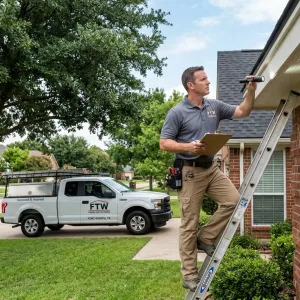
A couple in Fort Worth found what felt like their perfect home. The neighborhood was right, the price was right, and the general inspection came back with nothing alarming—a few minor items, nothing that raised serious concern. They closed on the property, moved in, and started making it their own. Six months later, cracks began appearing along the corners of their bedroom doors. Then the back patio door stopped closing properly. Then a contractor came out and delivered the news: foundation movement, likely ongoing for years, with repair estimates starting at $15,000 and climbing depending on how far the damage had spread.
This scenario plays out more often than you’d think in DFW—and it’s often because buyers didn’t understand the difference between what a general inspector can tell them and what a structural engineer needs to evaluate. The general inspector did their job. They noted some minor cracking. But without a structural engineer’s analysis, the full picture never emerged. And by the time the Option Period had closed, the buyers had no leverage left.
If you’re buying a home in the DFW area—whether in Fort Worth, Weatherford, Southlake, Argyle, or anywhere else in the metroplex—understanding the distinction between a general home inspection and a structural inspection isn’t just useful information. It’s protective. This guide breaks down exactly what each type of inspection covers, when you need each one, what they cost, and how to use both strategically during your home purchase.
Key Takeaways
- A general home inspection (performed by a TREC-licensed inspector) covers all major systems visually—it identifies warning signs but cannot provide engineering opinions on structural failures.
- A structural inspection (performed by a licensed Professional Engineer) analyzes root causes of structural issues, designs repair solutions, and carries legal liability for its findings.
- Foundation issues appear in 15–30% of DFW home inspections due to the region’s expansive clay soils—significantly higher than national averages.
- General inspections in DFW typically cost $450–$900; structural engineering inspections run $600–$1,500+.
- Skipping or shortchanging inspections can result in $5,000–$30,000+ in post-closing repair costs for foundation issues alone.
- The Texas Option Period (typically 7–10 days) is your window to conduct both types of inspections and negotiate—or walk away—before you’re committed to the purchase.
- Choosing an inspector familiar with DFW’s specific soil conditions and foundation risks is one of the most important decisions in your home-buying process.
Why This Distinction Matters in the DFW Market
Most homebuyers across the country can get away with a solid general inspection and feel reasonably protected. DFW buyers don’t have that same luxury—and it’s not because inspectors here are less thorough. It’s because the ground itself creates risks that don’t exist in most other U.S. markets. North Texas sits on some of the most expansive clay soils in the country. These soils shrink dramatically during drought conditions and swell significantly when moisture returns. That constant cycle of contraction and expansion puts enormous stress on foundations, and it happens year after year, season after season.
According to data from Texas A&M AgriLife Extension and local inspector records, foundation issues appear in an estimated 15–30% of DFW home inspections. That’s not a small number. For context, national averages for foundation-related findings are considerably lower. When you’re buying in Fort Worth, Weatherford, Trophy Club, or Roanoke, you’re operating in a market where foundation concerns are a routine part of the conversation—not an outlier.
The financial stakes are equally significant. Missed structural defects can cost $5,000–$30,000 or more in post-closing repairs, depending on the severity and how long the issue has been progressing. Foundation pier installation, slab leveling, and structural framing repairs are not cheap—and they’re not optional once a problem reaches a certain stage. Compare that to the cost of a thorough inspection: a few hundred to a few thousand dollars, conducted before you’re legally committed to the purchase. The math is not complicated.
The Texas Real Estate Contract includes an Option Period—typically 7–10 days—during which buyers can conduct inspections, request repairs, or terminate the contract without penalty. This window is your most powerful tool as a buyer, but only if you use it strategically. Understanding the difference between what a general inspector can tell you and what a structural engineer needs to evaluate is what allows you to use that window effectively. Exploring the home inspection services available in the DFW area before you’re under contract will help you move quickly when it matters most.
It’s Normal to Feel Overwhelmed by Inspection Options
Most DFW buyers don’t know the difference between a general inspection and a structural inspection—and that’s completely understandable. The inspection industry uses terminology that isn’t always explained clearly, and real estate agents don’t always have time to walk you through the details. This guide is designed to demystify the process so you can make confident, informed decisions about protecting your investment.
What Is a General Home Inspection? Scope and Standards
A general home inspection is the standard inspection that occurs on virtually every home purchase in Texas. It’s performed by a TREC-licensed home inspector and governed by the Texas Real Estate Commission’s Standards of Practice (SoP). These standards define the minimum scope of what must be inspected, how findings must be reported, and what falls outside the inspector’s role.
The TREC Standards of Practice require inspectors to assess the following major categories: structural components, exterior elements, roofing, plumbing, electrical systems, HVAC, insulation and ventilation, interior components, and built-in appliances. The key word in all of this is “visible and accessible.” General inspectors assess what they can see and reach without causing damage to the property. They’re not permitted—and not equipped—to open walls, dig up soil, or perform laboratory analysis.
A typical general home inspection in DFW takes two to four hours for an average-sized home and results in a detailed written report with photos documenting deficiencies and defects. Costs in 2026 range from approximately $450 for smaller homes under 1,500 square feet to $900 or more for larger properties over 3,000 square feet. Age, complexity, and add-on services all affect the final price.
One critical point that many buyers misunderstand: a general inspector can identify indicators of potential structural problems—cracks in walls, uneven floors, sticking doors—but they cannot provide an engineering opinion on what’s causing those indicators or how severe the underlying issue is. That distinction is not a limitation of the inspector’s skill. It’s a legal and professional boundary that exists for good reason. Engineering opinions require engineering credentials and the liability that comes with them.
What Gets Inspected in a General Inspection
Here’s a breakdown of what a TREC-compliant general inspection covers:
- Structural components: Foundation, framing, and load-bearing walls—assessed visually for observable defects, settlement signs, or movement indicators.
- Exterior: Siding, trim, doors, windows, decks, porches, grading, and drainage patterns around the home’s perimeter.
- Roof: Covering materials, flashing, gutters, downspouts, and visible evidence of leaks or damage from inside the attic. (See also: how roof inspections are conducted.)
- Plumbing: Water supply lines, drainage systems, fixtures, water heater condition and installation.
- Electrical: Service panel, wiring visible in accessible areas, outlets, switches, and GFCI protection.
- HVAC: Heating and cooling equipment, ductwork, ventilation, and thermostat operation.
- Interior: Walls, ceilings, floors, stairs, railings, and built-in appliances.
What Gets Excluded from General Inspections
Understanding what’s not included is just as important as knowing what is. General inspections under TREC Standards of Practice explicitly exclude:
- Mold testing and assessment — requires a separate specialty service with air or surface sampling.
- Sewer line evaluation — requires a sewer scope camera inserted into the drain line.
- Pest and termite inspection — a separate pest control inspection with its own licensing requirements.
- Radon testing — a separate environmental test requiring specialized equipment.
- Engineering opinions on structural failure causes or repair methods — this is the big one for DFW buyers.
- Cost estimates for repairs — inspectors document defects but don’t price out fixes.
- Detailed soil analysis or foundation movement calculations — requires engineering expertise and specialized tools.
Many of these excluded services are available as add-ons from specialty providers. A thorough inspection company will either offer them directly or refer you to qualified specialists. You can review the full range of inspection services available to DFW buyers to understand what additional evaluations might be relevant for your specific property.
What Is a Structural Inspection? The Engineer’s Role
A structural inspection is a fundamentally different service performed by a fundamentally different professional. Where a general inspector holds a TREC license, a structural inspector holds a Professional Engineer (PE) license issued by the Texas Board of Professional Engineers. That distinction carries significant weight—both in terms of what they’re qualified to assess and the legal liability they carry for their conclusions.
A licensed structural engineer can do things a general inspector legally cannot: provide engineering opinions on the cause of foundation movement, analyze soil conditions and their impact on structural stability, calculate load-bearing capacity, design repair solutions, and produce sealed engineering reports that building departments require for permits on major repairs. When a general inspector notes foundation cracking and recommends further evaluation, a structural engineer is who they’re referring you to.
Structural engineering inspections in the DFW area typically cost $600–$1,500 or more, depending on the complexity of the assessment, whether soil testing is required, and the engineer’s specific fee structure. That’s a meaningful investment on top of your general inspection, but consider what it buys you: a legally defensible, technically rigorous analysis of whether the home you’re about to purchase has structural integrity problems—and if so, exactly what those problems are and what it will take to fix them. Inspectors who provide structural assessment recommendations are connecting you to this level of expertise when the general inspection raises concerns.
What a Structural Engineer Evaluates
- Foundation type, condition, and movement: Whether the foundation is slab-on-grade or pier-and-beam, the engineer assesses evidence of settlement, heaving, or differential movement.
- Soil composition and its impact on stability: In DFW’s expansive clay environment, understanding soil behavior is central to diagnosing foundation problems and designing appropriate solutions.
- Structural framing and load paths: The adequacy of support systems, the integrity of load-bearing walls and beams, and whether structural modifications have been made correctly.
- Root causes of visible defects: Why cracks appeared, what’s driving foundation movement, and whether the issue is active or historical.
- Repair options and engineering design: Specific, technically sound recommendations for how to address identified problems.
- Building code compliance and structural safety: Whether the structure meets applicable codes and whether it’s safe for occupancy.
Why Engineers Carry More Authority and Cost More
Professional Engineers carry personal legal liability for their opinions and recommendations. If an engineer seals a report stating that a foundation is structurally sound and it later proves otherwise, they face professional consequences—including loss of licensure and civil liability. That accountability is exactly why their opinions carry more weight than an inspector’s observations. It’s also why their E&O insurance coverage is typically higher than what general inspectors carry, and why their fees reflect the depth of expertise and risk they’re assuming.
Their sealed reports are required by building departments when permits are needed for major structural repairs. Without an engineer’s seal, a foundation repair company can’t pull the permits needed for significant work in most jurisdictions. This isn’t a bureaucratic formality—it’s a quality control mechanism that ensures repairs are designed correctly and inspected by qualified authorities.
Why Structural Engineers Cost More (And Why It’s Worth It)
Structural engineers carry legal liability for their opinions and recommendations in a way that general inspectors do not. Their sealed reports are required by building departments for permits on major repairs, and their expertise prevents costly repair mistakes—like installing the wrong type of foundation support for DFW’s specific soil conditions. The higher cost reflects the specialized knowledge, diagnostic tools, and accountability they bring to the table. A $1,200 engineering evaluation that prevents a $20,000 repair mistake is one of the best investments you can make during a home purchase.
Not Sure If Your Potential Home Needs an Engineer’s Eyes?
That’s exactly what a thorough general inspection is designed to determine. A qualified inspector will flag any red flags and guide you clearly on whether a structural engineer should be involved—before you’re committed to the purchase.
Key Differences: Side-by-Side Comparison
The clearest way to understand the relationship between these two inspection types is to see them side by side. They’re not competing services—they’re complementary ones. A general inspection is your first line of assessment; a structural inspection is the deeper analysis you pursue when the general inspection raises specific concerns.
Credentials and Licensing
| Category | General Inspector (TREC) | Structural Engineer (PE) |
|---|---|---|
| Licensing Body | Texas Real Estate Commission (TREC) | Texas Board of Professional Engineers |
| License Tiers | Apprentice, REI, Professional REI (PEL) | Licensed PE (requires 4+ years experience, PE exam) |
| E&O Insurance | $100K–$250K minimum required | Higher coverage, reflects greater liability |
| Verification | trec.texas.gov (Public License Info) | Texas Board of Professional Engineers website |
| Typical Cost (DFW) | $450–$900 | $600–$1,500+ |
Scope of Work
A general inspector observes all major systems, documents visible defects, and recommends further evaluation when something warrants deeper analysis. They work within TREC’s Standards of Practice and cannot legally provide engineering opinions or cost estimates. Their job is to give you a comprehensive picture of the home’s current observable condition.
A structural engineer focuses specifically on structural integrity. They analyze root causes—not just symptoms—and provide engineering opinions that carry legal weight. They can seal reports for permitting purposes, design repair solutions, and if disputes arise, provide expert testimony. Their scope is narrower but far deeper within that narrow focus.
When Each Is Used
General inspections happen on nearly every home purchase in Texas as a standard part of due diligence. They occur early in the Option Period to give buyers a complete picture of the property and inform negotiations. Structural inspections are triggered—not automatic. They come into play when a general inspection reveals potential foundation, framing, or load-bearing concerns that require deeper analysis. In DFW, given the prevalence of expansive soil conditions, structural evaluations are more commonly needed than in most other markets.
Red Flags: When You Need a Structural Engineer
Knowing when to escalate from a general inspection to a structural engineer evaluation is one of the most valuable things you can take away from this guide. Your general inspector will flag concerns and make recommendations—but you’ll be better positioned to act on those recommendations if you already understand what the warning signs mean.
A comprehensive home inspection that identifies these issues early gives you the leverage to address them during the Option Period, before you’re committed to the purchase. Here are the key red flags that should prompt a structural engineer’s involvement:
- Foundation cracks wider than 1/8 inch, particularly stair-step patterns in brick veneer—these indicate differential settlement, not just normal settling.
- Bowing or leaning walls, either interior or exterior, which suggest lateral pressure or structural failure.
- Uneven or significantly sloping floors, especially in older homes or pier-and-beam construction.
- Doors and windows that stick severely or won’t close properly—a classic sign of foundation movement distorting the home’s frame.
- Visible sagging in roof lines or roof trusses, which can indicate structural framing failure or overloading.
- Evidence of previous foundation repairs without documentation—if someone repaired it before, you need to know if the repair was adequate and whether the problem has continued.
- Horizontal cracks in foundation or basement walls—these are among the most serious indicators of lateral soil pressure or structural failure.
Foundation Movement Indicators (Most Common in DFW)
In DFW specifically, foundation movement is the most common structural concern inspectors encounter. The signs are often subtle at first—and that’s precisely why buyers miss them. Watch for:
- Vertical cracks in drywall, especially at the corners of door and window frames—these follow the path of least resistance when a structure shifts.
- Stair-step cracking in brick veneer, which indicates the foundation is settling unevenly beneath different sections of the home.
- Gaps between walls and ceilings, or between trim and walls, suggesting the structure is moving in ways the finish materials can’t accommodate.
- Cracks in the foundation slab itself, particularly if they’re wider than a credit card’s thickness.
- Moisture in crawl spaces on pier-and-beam homes, which can accelerate wood rot and compound structural stress over time. (See also: pier-and-beam foundation inspections for what these assessments involve.)
Structural Framing Concerns
- Sagging roof lines visible from outside or inside the attic—a straight roofline should be straight, and any deviation warrants investigation.
- Cracked or split roof trusses or beams, which can indicate overloading, moisture damage, or improper installation.
- Visible deflection or bowing in load-bearing walls.
- Evidence of improper modifications—walls that were removed without proper support beams installed, or additions that don’t connect to the original structure correctly.
- Rotted or water-damaged structural members, particularly in older homes or those with known moisture history.
Don’t Ignore Foundation Red Flags—They Get Worse, Not Better
Foundation issues don’t resolve on their own. A small crack today can become a major structural problem in 5–10 years, especially in DFW’s expansive soil environment where every wet season and every drought adds more stress to an already compromised structure. If your inspector flags any concerns—even minor ones—get a structural engineer involved immediately. The cost of that evaluation is a fraction of what deferred foundation repairs will cost you down the road.
Recognizing Warning Signs Early Can Save You Tens of Thousands
DFW’s unique soil conditions mean foundation concerns show up more often here than almost anywhere else in the country. Experienced local inspectors know what to look for—and they know when to escalate to a structural engineer. That local knowledge is what protects your investment.
DFW-Specific Challenges: Expansive Soils and Foundation Risk
To understand why foundation concerns dominate the DFW inspection conversation, you need to understand the soil. North Texas sits on expansive clay—specifically the Blackland Prairie formation that runs through much of the metroplex. This clay has an unusually high shrink-swell capacity. During dry periods, it contracts significantly, creating voids beneath foundations. When rain returns, it expands, sometimes with enough force to push foundations upward. This cycle repeats every year, and the cumulative effect on a home’s structural integrity over decades can be substantial.
Texas A&M AgriLife Extension research highlights this as one of the primary drivers of residential structural damage in the state. The DFW metroplex experiences this more acutely than most U.S. markets because the clay content is particularly high and the climate swings between extended drought and significant rainfall. When you add the region’s extreme summer heat—which accelerates soil drying—the conditions for foundation stress are almost ideal.
DFW home inspection specialists who work in this market every day develop a calibrated eye for the subtle signs of soil-driven foundation movement that a generalist inspector might miss. That local expertise isn’t just a marketing claim—it’s a practical advantage that directly affects the quality of your inspection findings.
How Expansive Soils Affect Foundations
The impact differs somewhat between foundation types:
Slab-on-grade homes (the most common type in newer DFW construction) are particularly vulnerable to differential settlement—where one part of the foundation sinks or shifts more than another. This uneven movement is what causes the stair-step cracks in brick, the sticking doors, and the sloping floors that buyers discover after closing. When the clay beneath one section of a slab dries out more than another, or when moisture is introduced unevenly (from a leaking irrigation system, for example), the slab follows the soil’s movement.
Pier-and-beam homes (more common in older Fort Worth neighborhoods) experience a different pattern. The individual support piers can settle at different rates, creating differential movement between support points that causes sagging floors and structural stress. Moisture in the crawl space accelerates wood rot and can compromise the structural members themselves. These homes require a different inspection approach—one that includes thorough crawl space evaluation. The specialized pier-and-beam foundation inspection process addresses these specific vulnerabilities in detail.
Even minor foundation movement can compound over years. What starts as a hairline crack in year one can become a structural concern by year five if the underlying soil conditions aren’t addressed. Proper drainage, moisture barriers, and consistent soil moisture around the home’s perimeter can slow this process—but they can’t reverse damage that’s already occurred.
Why This Matters for Your Inspection Strategy
The practical implication for DFW buyers is straightforward: don’t treat foundation assessment as a secondary concern. It should be a primary focus of your general inspection, and you should be prepared to engage a structural engineer if anything concerning emerges. In a market where 15–30% of inspections reveal foundation-related issues, the odds that you’ll encounter something worth investigating are not trivial.
Beyond foundations, DFW’s frequent hail events create additional inspection complexity. Hail damage to roofing materials, gutters, and HVAC equipment is common and can be subtle—soft metal dents on HVAC condenser fins, granule loss on shingles that’s only visible up close, damaged flashing that won’t show as a leak until the next heavy rain. An inspector familiar with DFW weather patterns will know where to look.
Pro Tip: Ask Your Inspector About DFW Soil Conditions
When interviewing inspectors, ask specifically about their experience with expansive clay soils and foundation movement in North Texas. Ask how they document foundation concerns in their reports, and what their process is for recommending structural engineers. An inspector who gives you a detailed, specific answer to these questions has the local knowledge that matters. One who gives you a vague or dismissive response may not.
Costs Breakdown: General vs. Structural Inspections in DFW
One of the most common questions buyers ask is simply: what is this going to cost me? Here’s a transparent breakdown of what you can expect to pay for inspection services in the DFW market in 2026, along with the context that makes those numbers meaningful.
What Affects Inspection Pricing
For general home inspections, the primary cost drivers are:
- Home size: Larger homes take longer to inspect. Under 1,500 sq ft typically runs $350–$500; 1,500–3,000 sq ft runs $450–$650; 3,000+ sq ft runs $600–$900 or more.
- Home age: Older homes require more detailed assessment and typically take more time. A 1960s pier-and-beam home in an established Fort Worth neighborhood will take longer to inspect than a 2015 slab-on-grade home in a newer Southlake subdivision.
- Foundation type: Pier-and-beam inspections typically take longer than slab foundations due to crawl space evaluation requirements.
- Accessibility: Difficult crawl spaces, limited attic access, or unusual layouts increase inspection time and cost.
- Complexity and add-ons: Homes with pools, septic systems, wells, or irrigation systems require additional evaluation. These are typically priced as separate services.
For structural engineering inspections, the cost range of $600–$1,500+ reflects the engineer’s specialized expertise, the depth of analysis required, whether soil testing is needed, and the engineer’s individual fee structure. More complex situations—extensive foundation movement, multiple structural concerns, need for detailed soil analysis—will push costs toward the higher end of that range.
Hidden Costs to Budget For
Beyond the base inspection fees, there are several additional costs that DFW buyers should anticipate:
- Structural engineer evaluation: $600–$1,500+ if your general inspection raises concerns—budget for this as a possibility on any DFW purchase.
- Soil testing: $300–$800 if foundation movement is suspected and the engineer needs to understand the underlying soil conditions.
- Mold testing: $300–$600 for air and surface sampling if moisture issues are identified.
- Sewer scope: $200–$400 for camera inspection of the drain line—especially important for older homes where clay or cast iron pipes may be failing.
- Thermal imaging: $150–$300 as an add-on that can reveal moisture intrusion, insulation gaps, and electrical hot spots invisible to the naked eye.
- Re-inspection fees: $100–$300 if repairs are made and you need to verify they were completed correctly before closing.
The ROI of Thorough Inspections
Here’s the number that puts everything in perspective: industry data suggests that home inspections save buyers an average of $2,000–$6,000 in avoided post-closing repairs. Between 15–40% of inspections lead to renegotiations or repair credits, according to National Association of Realtors survey data. In DFW specifically, where foundation issues are prevalent and repair costs are significant, those numbers skew higher.
A $600 structural engineering inspection that reveals a foundation problem requiring $15,000 in repairs doesn’t just save you money—it gives you options. You can negotiate for the seller to make repairs before closing, request a price reduction to cover the cost, or walk away entirely during the Option Period. Without that inspection, you close on the property, discover the problem six months later, and bear the full cost yourself.
“The inspection fee is not a cost of buying a home. It’s insurance against buying the wrong home—or buying the right home without knowing what it actually needs.”
How to Choose the Right Inspector for Your DFW Home
Not all inspectors are created equal—and in a market with DFW’s specific challenges, the difference between a good inspector and a great one can be measured in dollars. Here’s how to evaluate your options and find someone who will genuinely protect your interests.
Start with credentials. Verify TREC license status and any disciplinary history at trec.texas.gov. Look for the Professional Real Estate Inspector (PEL) designation, which requires more experience and education than the basic REI license. Check for ASHI (American Society of Home Inspectors) or InterNACHI membership, which indicates adherence to professional standards beyond TREC’s minimums. When you’re choosing an experienced DFW home inspector, these credentials are your baseline filter.
Beyond credentials, ask for a sample report. A good inspection report is detailed, clearly written, includes photos of every deficiency, and organizes findings by system and severity. If a sample report is vague, poorly organized, or light on documentation, that’s a preview of what you’ll receive on your actual inspection. You can also check client reviews to get a sense of how past buyers experienced the inspection process and the quality of the reports they received.
Questions to Ask Potential Inspectors
These questions will help you quickly assess whether an inspector has the local knowledge and professional approach you need:
- “How do you assess foundation condition, and when do you recommend a structural engineer?” — A good inspector will give you a specific, thoughtful answer about their process and their criteria for escalation.
- “Can you provide references from recent clients in Fort Worth, Weatherford, or surrounding areas?” — Local experience matters for the reasons we’ve discussed throughout this guide.
- “What is your experience with pier-and-beam vs. slab-on-grade foundations?” — Both are common in DFW, and the inspection approach differs significantly.
- “Do you offer add-on services like thermal imaging or sewer scopes, or do you refer to specialists?” — Either answer can be fine, but you want to know what your options are and how the inspector handles referrals.
- “How detailed is your report, and can I see a sample?” — Non-negotiable. Always ask for a sample report.
- “What is your E&O insurance coverage, and how does it protect me?” — A professional inspector will answer this question directly and without hesitation.
Red Flags to Avoid
Just as important as knowing what to look for is knowing what to walk away from:
- Inspectors who claim to provide engineering opinions without a PE license — this is a red flag and potentially a TREC violation.
- Vague answers about scope or reluctance to discuss structural assessment — if they can’t explain their process clearly, that’s concerning.
- Pressure to skip services or rush through the inspection — a thorough inspection takes time. Pressure to hurry is pressure to miss things.
- Prices significantly below market rates — inspection quality correlates with time spent, and time costs money. An unusually low price often means an unusually brief inspection.
- Reluctance to refer to structural engineers when issues are found — an inspector who downplays concerns to keep the deal moving is not working in your interest.
The Right Inspector Is Your Advocate in This Process
Choosing an inspector who understands DFW’s expansive soils, foundation risks, and local market conditions is one of the most important decisions in your home-buying journey. Read about the team and approach at Journey Home Inspections to see if it’s the right fit for your needs.
The Texas Option Period: Your Window for Thorough Inspections
The Texas Real Estate Contract includes a provision called the Option Period—a negotiated window of time (typically 7–10 days) during which the buyer has the unrestricted right to terminate the contract for any reason, or no reason at all. In exchange for this right, the buyer pays a small Option Fee directly to the seller. This period is your most powerful tool as a buyer, and inspections are its primary purpose.
During the Option Period, you can conduct your general inspection, bring in a structural engineer if needed, review all findings, negotiate repairs or credits with the seller, and—if the property turns out to have problems you’re not willing to accept—walk away without losing your earnest money. Once the Option Period closes, that flexibility disappears. You’re committed to the purchase, and any defects discovered after closing are your responsibility unless covered by a warranty.
Timeline for Inspections During the Option Period
Using the Option Period effectively requires moving quickly. Here’s a realistic timeline for a 7–10 day Option Period:
- Day 1–2: Schedule your general inspection immediately after contract execution. Don’t wait—inspectors in DFW’s busy market can book up quickly, especially during spring and summer buying seasons.
- Day 2–4: General inspection is conducted. Most inspectors deliver reports within 24 hours of the inspection.
- Day 4–5: Review the report carefully. If foundation concerns, structural framing issues, or other red flags are noted, contact a structural engineer immediately.
- Day 5–7: Structural engineer inspection conducted and report delivered, if needed.
- Day 7–9: Review all findings, consult with your real estate agent, and submit repair requests or negotiate credits with the seller.
- Day 10: Option Period closes. By this point, you should have made your decision: proceed with the purchase (with or without negotiated repairs), or terminate the contract.
What Happens After the Option Period
Once the Option Period closes, the buyer is committed to the purchase. Inspections can still be conducted after closing, but they serve a different purpose—understanding what you own, not deciding whether to buy. Any defects discovered post-closing are the buyer’s financial responsibility unless the seller made specific representations about the property’s condition that prove to be false, or unless a home warranty covers the issue.
This is why the Option Period is not the time to be casual about inspections. It’s not a formality. It’s your only window of leverage—the only time when you can walk away without financial penalty if the property turns out to have problems you’re not willing to accept. Use it fully.
Act Fast During Your Option Period
You typically have 7–10 days to conduct inspections and make decisions. Schedule your general inspection within 1–2 days of contract execution—don’t wait for the weekend. If the general inspection raises concerns, a structural engineer can be brought in while you’re still within the window to negotiate or walk away. Every day you delay is a day you lose from your decision-making timeline.
What to Do If Your Inspector Finds Structural Concerns
Finding structural concerns during an inspection is unsettling—but it’s far better to find them now than six months after closing. Here’s a clear action plan for what to do when your general inspector flags something that warrants deeper investigation.
First, don’t panic. A flagged concern is not the same as a deal-killer. Many structural issues are repairable, and the question is simply who pays for the repair and whether the price reflects the true condition of the property. An inspector who provides clear guidance on next steps—including structural engineer referrals when warranted—is giving you exactly the information you need to make a sound decision.
Second, get the structural engineer involved immediately. Don’t wait. Contact engineers the same day you receive your general inspection report if it contains foundation or structural concerns. You need their evaluation while you’re still within the Option Period.
Third, never ignore structural concerns or assume they’ll resolve on their own. They won’t. Foundation movement in DFW’s expansive soil environment is progressive—the same conditions that caused the initial movement will continue to cause movement unless the underlying issue is addressed.
Negotiation Strategies Based on Engineer Findings
Once you have the structural engineer’s report in hand, you have several options for how to proceed:
- Seller-paid repairs: Request that the seller complete the engineer-recommended repairs before closing, using a licensed repair company and with the engineer’s oversight. This is the cleanest outcome but requires seller cooperation and sufficient time.
- Repair credits: Negotiate a credit toward your closing costs equal to the estimated repair cost. This gives you control over the repair process post-closing but requires you to manage the work yourself.
- Price reduction: If repairs are extensive, request a reduction in the purchase price that reflects the true cost of bringing the property to acceptable condition.
- Escrow holdback: In some cases, funds can be held in escrow pending completion of repairs—useful when repairs are planned but not yet completed at closing.
- Walk away: If the engineer’s findings reveal problems that are too extensive, too costly, or too uncertain in scope, the Option Period gives you the right to terminate the contract without penalty. Sometimes the right decision is to walk away from a property that’s going to be a financial burden.
Choosing a Repair Company
If repairs are needed, the quality of the repair company matters as much as the quality of the inspection. In DFW’s foundation repair market, there are excellent companies and there are companies that will install whatever system they sell without regard for whether it’s the right solution for your specific soil and foundation conditions. Here’s how to vet repair companies:
- Ensure the company is licensed and insured in Texas.
- Request references from recent DFW foundation repairs—specifically in your area, since soil conditions vary across the metroplex.
- Get multiple quotes and compare not just price but the specific repair method proposed. Different methods (pressed concrete piers, drilled piers, helical piers) are appropriate for different conditions.
- Verify that repairs will be designed and sealed by a licensed Professional Engineer—this is required for permits on significant repairs and ensures the solution is technically sound.
- Ensure the company provides a warranty on their work. Reputable DFW foundation repair companies typically offer 5–10 year warranties on their installations.
Regulatory Protections and Your Recourse Options
Understanding your rights as a buyer—and what happens if an inspection falls short—is an important part of the complete picture. Texas has a well-developed regulatory framework for home inspectors, and there are meaningful consumer protections in place if something goes wrong.
TREC Standards of Practice define the minimum scope that inspectors must follow. These standards are not optional—they’re the legal floor for what every TREC-licensed inspector must do. If an inspector fails to assess a required system or component, that’s a potential Standards of Practice violation, not just a service shortfall. Inspectors are also required to carry Errors & Omissions (E&O) insurance, which provides a mechanism for recovery if negligence causes financial harm.
TREC Complaint Process
If you believe an inspector violated Standards of Practice or engaged in unprofessional conduct, you can file a complaint at trec.texas.gov. TREC investigates complaints and has the authority to impose fines, suspend licenses, or revoke licenses for substantiated violations. Complaints should be filed within a reasonable timeframe—typically within two years of the inspection—and should be supported by documentation: photos, engineer reports, repair invoices, and anything else that establishes what was missed and what it cost you.
It’s worth noting that TREC complaints don’t directly recover money for you—they address the inspector’s professional conduct and licensing status. For financial recovery, you’ll need to pursue the inspector’s E&O insurance or take legal action.
E&O Insurance and Negligence Claims
TREC requires inspectors to carry E&O insurance, typically with minimums of $100,000–$250,000. If you can demonstrate that an inspector’s negligence—specifically, a failure to follow Standards of Practice—led to a material defect being missed, and that this caused you financial harm, you may have a valid claim against their E&O policy. The key elements are: (1) the inspector had a duty to inspect the item, (2) they failed to do so or failed to report what they found, and (3) that failure caused you quantifiable financial damage.
E&O claims typically move faster than lawsuits and are often the most practical path to recovery. Consult with an attorney who has experience in real estate or construction law to evaluate whether your situation warrants a claim.
Texas DTPA Protections
The Texas Deceptive Trade Practices Act (DTPA) provides additional consumer protections for situations involving deceptive or unconscionable trade practices. If an inspector misrepresented the scope of their inspection, concealed findings, or engaged in other deceptive conduct, DTPA may apply. DTPA claims can result in recovery of damages plus attorney fees, making them a meaningful deterrent against bad-faith conduct. An attorney can advise you on whether your specific situation qualifies for DTPA protection.
Frequently Asked Questions About Inspections in DFW
What’s the difference between a general home inspection and a structural inspection in Texas?
A general home inspection, performed by a TREC-licensed inspector, provides a broad overview of the home’s condition across all major systems—structural, electrical, plumbing, HVAC, roofing, and more—per the Texas Standards of Practice. It identifies visible defects and observable warning signs but cannot provide engineering opinions on structural failure causes or repair methods. A structural inspection, performed by a licensed Professional Engineer, focuses specifically and deeply on the building’s structural integrity. The engineer analyzes root causes of issues like foundation movement, provides legally binding engineering opinions, designs repair solutions, and produces sealed reports required for permitting. General inspectors identify warning signs; engineers diagnose causes and prescribe solutions. In DFW, where foundation concerns appear in 15–30% of inspections, understanding this distinction is especially important for protecting your investment.
When should I get a structural engineer involved instead of just a home inspector?
You should request a structural engineer evaluation when your general inspector notes significant foundation concerns—such as cracks wider than 1/8 inch, stair-step cracking in brick veneer, bowing walls, severely uneven floors, or doors and windows that won’t operate properly. Visible structural damage like sagging roof trusses, cracked beams, or evidence of improper load-bearing modifications also warrants engineering analysis. In DFW specifically, the expansive clay soil conditions mean that even homes without obvious major issues can benefit from an engineer’s evaluation if any foundation indicators are present—the soil conditions that cause foundation movement are present under virtually every home in the metroplex, and the question is always whether they’ve caused damage yet. When in doubt, the cost of an engineering evaluation ($600–$1,500) is far less than the cost of discovering a major structural problem after closing.
Can a general home inspector tell me if my foundation is failing?
A TREC-licensed home inspector can identify indicators of potential foundation failure—cracks in walls or the foundation itself, sticking doors and windows, uneven floors, gaps between walls and ceilings—and will document these findings in their report. However, they cannot legally provide an engineering opinion on the cause of those indicators, the extent of any underlying failure, or what repairs are needed. TREC Standards of Practice explicitly prohibit general inspectors from offering engineering opinions, and for good reason: making that determination requires engineering credentials, diagnostic tools, and the legal liability that comes with a professional engineer’s assessment. When a general inspector notes foundation concerns, they will recommend evaluation by a licensed structural engineer—and that recommendation should be taken seriously, especially in DFW’s challenging soil environment.
How much does a structural engineer cost for a foundation inspection in Fort Worth?
Structural engineering inspections for foundation issues in Fort Worth and the broader DFW area typically range from $600 to $1,500 or more in 2026. The cost depends on several factors: the complexity of the foundation issues, the size of the home, whether soil testing is required to understand the underlying conditions, the depth of analysis needed, and the engineer’s individual fee structure. More complex situations—extensive foundation movement, multiple structural concerns, or homes with unusual construction—will push costs toward the higher end of that range. This fee is separate from your general home inspection and is typically paid directly to the engineering firm. Given that foundation repairs in DFW can run from $4,000 for minor slab work to $20,000 or more for extensive pier installation, the engineering evaluation fee represents a small fraction of the potential financial exposure it helps you manage.
Is a structural inspection included in a standard DFW home inspection?
No. A standard home inspection performed by a TREC-licensed inspector covers all major systems per the Standards of Practice, including observing the foundation for visible defects and documenting any concerning signs. But this is observational assessment, not structural engineering. A separate structural inspection by a licensed Professional Engineer is a distinct service with its own fee, its own scope, and its own professional credentials—and it’s typically triggered when the general inspection reveals potential structural concerns that require deeper analysis. Some inspection companies offer referral networks to connect buyers with qualified structural engineers when needed, but the engineering evaluation itself is always a separate engagement. You can explore the different types of inspections available to DFW buyers to understand the full landscape of services and when each is appropriate.
What happens if my home inspector misses a major structural defect?
If a TREC-licensed inspector’s negligence led to a significant structural defect being missed—meaning they failed to follow Standards of Practice and that failure caused you financial harm—you may have recourse through several channels. The most direct path is typically a claim against the inspector’s Errors & Omissions (E&O) insurance, which TREC requires all licensed inspectors to carry. You can also file a complaint with TREC, which can result in disciplinary action against the inspector’s license, though this doesn’t directly recover money for you. If the inspector engaged in deceptive practices, the Texas DTPA may provide additional remedies including recovery of damages and attorney fees. Proving negligence requires demonstrating that the inspector had a duty to inspect the item in question, failed to do so or failed to report it, and that this failure directly caused your financial loss—so documenting the missed defect with engineer reports, repair invoices, and photos is essential. Consult with a real estate or construction attorney to evaluate your specific situation.
Ready to Protect Your DFW Home Investment?
Whether you’re buying your first home in Fort Worth, Weatherford, Southlake, or anywhere else in the DFW metroplex, understanding the difference between a general inspection and a structural inspection is your first step toward making a confident, informed decision. The Option Period is your window—and a thorough inspection is how you use it wisely.
A well-executed inspection during your Option Period can reveal issues early, give you the leverage to negotiate repairs or credits, and—if the property turns out to have problems you’re not willing to accept—give you the information you need to walk away before you’re committed. Journey Home Inspections serves Fort Worth and the surrounding DFW area with the local expertise and professional standards that protect buyers in one of the most challenging inspection markets in the country.