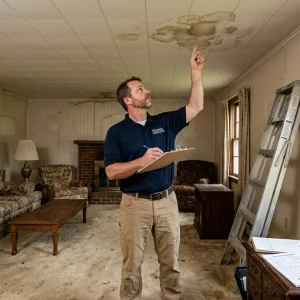
Your FHA or VA loan just got approved. You’ve found the house. The offer is accepted. Then the appraisal report lands in your inbox — and it’s flagging a deteriorating roof, a cracked foundation, and what looks like a drainage problem near the back of the house. Suddenly you’re asking questions nobody prepared you for: Wasn’t there supposed to be an inspection? Who’s responsible for fixing this? Will the lender kill the deal? And what exactly is the difference between an appraisal and a home inspection, anyway?
This scenario plays out for first-time buyers and veterans across the Dallas-Fort Worth area every single week. The confusion is completely understandable — FHA and VA loans come with appraisal requirements that sound a lot like inspections, but they’re not the same thing. And that distinction matters enormously when you’re trying to protect a significant financial investment and get to the closing table without surprises.
This guide breaks down exactly what FHA and VA loan appraisal requirements mean for you, how they differ from each other, what triggers repair requirements, and why a separate professional home inspection is still one of the smartest decisions you can make — regardless of which loan you’re using.
Key Takeaways
- Neither FHA nor VA loans require a separate home inspection — but both mandate an appraisal that checks minimum property standards.
- FHA appraisals are governed by HUD and focus on Safety, Soundness, and Security; VA appraisals follow the VA’s “Three S’s”: Safe, Structurally Sound, and Sanitary.
- VA appraisers are independently assigned through the VA Fee Panel; FHA appraisers are selected by the lender from the FHA Roster.
- Repairs flagged in an appraisal must generally be completed before closing — and who pays is always a negotiation.
- VA appraisals typically take longer (20–28 days) than FHA appraisals (14–21 days) due to the independent assignment process.
- VA loans typically carry lower interest rates and no ongoing mortgage insurance, making them less expensive over time for eligible borrowers.
- A professional home inspection reveals far more than any appraisal — and gives you real negotiating power before you’re locked in.
- If your VA appraisal comes in low, the Tidewater Initiative allows the appraiser to review additional comparable sales data before finalizing the value.
Understanding the Difference Between Home Inspections and Appraisals
One of the most persistent sources of confusion in the home-buying process is the assumption that an appraisal and a home inspection are interchangeable. They’re not — and if you’re using an FHA or VA loan, understanding this distinction could be the difference between a smooth closing and a deal-killing surprise.
Confused About Inspections vs. Appraisals? You’re Not Alone
Many first-time buyers and veterans are surprised to learn that FHA and VA loans don’t require a separate home inspection. The appraisal is mandatory, but it’s not the same as a comprehensive inspection. This confusion is completely normal — and understanding the difference is key to protecting your investment.
Here’s the short version: an appraisal is for the lender. An inspection is for you. Both are valuable, but they serve entirely different purposes — and only one of them gives you a complete picture of what you’re actually buying.
What Is an Appraisal?
An appraisal is a professional evaluation of a property’s market value, ordered and paid for by the lender. Its primary purpose is to confirm that the home is worth what you’re agreeing to pay — because the lender is using the property as collateral for your loan. If you default, the lender needs to know they can recover their money.
For FHA and VA loans specifically, the appraisal goes one step further. In addition to assessing market value, the appraiser evaluates whether the property meets Minimum Property Requirements (MPRs) — a set of standards focused on safety, structural soundness, and basic habitability. If the property doesn’t meet these standards, the lender won’t approve the loan until the issues are resolved.
The appraiser isn’t there to protect you. They’re there to protect the lender’s investment. That’s an important distinction.
What Is a Home Inspection?
A home inspection is a comprehensive visual examination of the property’s condition, ordered and paid for by you — the buyer. A licensed inspector evaluates everything from the roof and foundation to the electrical panel, plumbing, HVAC system, insulation, and more. The goal is to give you a complete, honest picture of the home’s current condition and any issues — cosmetic, functional, or structural — that may require attention.
Unlike an appraisal, a general home inspection is entirely on your side. The detailed report it produces gives you negotiating leverage, helps you plan for future maintenance costs, and protects you from buying a money pit without knowing it. Neither FHA nor VA requires one — but that doesn’t mean you should skip it.
Think of it this way: the appraisal tells you the house is worth the price and won’t fall down. The inspection tells you everything else — including the things that could cost you thousands after you move in.
FHA Loan Appraisal Requirements and Minimum Property Standards
FHA loans are backed by the U.S. Department of Housing and Urban Development (HUD), and they’re specifically designed to make homeownership more accessible — particularly for first-time buyers and those with lower credit scores or smaller down payments. According to 2024 data from HUD, FHA loans accounted for approximately 14.7% of all home purchase mortgages that year, reflecting their widespread use among buyers who need a more flexible path to ownership.
That accessibility comes with a condition: the property you’re buying must meet FHA’s Minimum Property Standards (MPS), as detailed in HUD Handbook 4000.1. These standards exist to protect both the borrower and the government-backed loan program from properties that are unsafe, unsound, or uninhabitable.
FHA Minimum Property Requirements (MPRs)
FHA’s Minimum Property Requirements are organized around three core principles: Safety, Soundness, and Security. Here’s what each means in practice:
- Safety: The property must be free of hazardous conditions. This includes proper handrails on stairs, secure windows that open and close properly, no exposed wiring, and no environmental hazards like lead-based paint in deteriorating condition.
- Soundness: The structural integrity of the home must be intact. This means the roof must be in acceptable condition, the foundation must be stable, and the home must not have significant settling, water damage, or structural defects.
- Security: The home must have adequate locks, secure entry points, and sufficient lighting. The property must be accessible and livable without presenting security risks to the occupants.
Common FHA appraisal failure points include deteriorating roofs, foundation instability, non-functional utilities, lead-based paint on surfaces in poor condition, pest infestations, broken windows, missing handrails, and trip hazards. If any of these are present, the appraiser will flag them as required repairs.
FHA Appraisal Timeline and Process
The FHA appraisal process begins after your loan application is approved. Here’s a general timeline of what to expect:
- The lender orders the appraisal, selecting an appraiser from the FHA Roster (a list of HUD-approved appraisers).
- The appraiser visits the property, typically within 3–7 days of being ordered.
- The appraiser evaluates market value using comparable sales and assesses MPR compliance.
- The appraisal report is delivered to the lender, usually within 2–3 days of the site visit.
- The underwriter reviews the report and clears it within 2–5 days.
From order to underwriter clearance, the FHA appraisal process typically takes 14–21 days in most markets — generally faster than VA due to the simpler appraiser assignment process. Once completed, the appraisal is valid for 120 days from the completion date. Under certain conditions, portability rules may allow the appraisal to transfer between lenders if you switch before closing.
What Happens If Repairs Are Required
When the FHA appraiser flags required repairs, the clock starts ticking. Here’s what happens next:
- The buyer and seller negotiate who will complete and pay for the repairs.
- Essential repairs — those that affect safety, soundness, or security — must be completed before closing or handled through an escrow holdback arrangement.
- An escrow holdback allows the loan to close with funds reserved (typically 1.5x the repair estimate) to cover the work post-closing.
- If the seller refuses to address required repairs and no alternative arrangement is made, the loan will not close.
Repair requirements can significantly impact your negotiation dynamics. In a buyer’s market, sellers are more likely to cover repairs to keep the deal alive. In a competitive seller’s market, you may have less leverage — which is exactly why understanding the property’s condition before the appraisal is so valuable.
Concerned about what the FHA appraisal might reveal? A professional home inspection gives you a complete picture of the property’s condition before the lender’s appraisal — so you’re never caught off guard.
VA Loan Appraisal Requirements and Minimum Property Requirements
VA loans are one of the most powerful financial benefits available to eligible veterans, active-duty service members, and surviving spouses. According to 2024 data from the Department of Veterans Affairs, VA loans represented 11.3% of the purchase mortgage market — and total VA lending climbed 26.8% year over year, reaching 528,343 loans in fiscal 2024. That growth reflects how many veterans are discovering (or rediscovering) the significant advantages of this benefit.
Like FHA loans, VA loans come with appraisal requirements. But the VA appraisal process has some meaningful differences — in both structure and standards — that every veteran homebuyer in the Fort Worth and Dallas-Fort Worth area should understand before going under contract.
The VA’s “Three S’s” Standard
VA appraisals are governed by VA Pamphlet 26-7 and focus on what the VA calls the “Three S’s”: Safe, Structurally Sound, and Sanitary. These standards are designed to ensure that the property provides long-term habitability and protects the borrower’s investment.
- Safe: No hazardous conditions, adequate utilities, structural safety, and no environmental hazards that could harm occupants.
- Structurally Sound: The roof, foundation, and mechanical systems must be in good working order. Significant defects that compromise the structural integrity of the home are not acceptable.
- Sanitary: The property must have access to potable water, proper sewage disposal, and must be free of pest infestation and other sanitation hazards.
VA property appraisal standards are widely considered to be enforced more strictly than FHA’s in practice — particularly around general upkeep, long-term structural integrity, and sanitation. This is partly by design: the VA loan program exists specifically to protect veterans, and the MPRs reflect that commitment. If you’re considering a property with known issues, it’s worth understanding these VA property appraisal standards before you make an offer.
VA Appraisal Assignment and Independence
One of the most significant structural differences between FHA and VA appraisals is how the appraiser is selected. With FHA loans, the lender chooses the appraiser from the FHA Roster. With VA loans, the appraiser is assigned through the VA’s Fee Panel system — an independent process that removes the lender from the selection equation entirely.
This independence is intentional. The VA’s assignment system is designed to reduce potential bias and ensure that the appraisal reflects an impartial, objective valuation. Once the appraisal is complete, the VA issues a Notice of Value (NOV) — delivered to both the borrower and the lender — rather than a traditional appraisal report.
The trade-off is time. Because appraisers are assigned through the VA portal rather than selected directly by the lender, the process can take longer — particularly in markets with limited VA-approved appraisers or high transaction volume. Plan for the VA appraisal process to take 20–28 days from order to clearance, compared to 14–21 days for FHA.
What Is the VA’s “Tidewater Initiative”?
If your VA appraisal comes in lower than your purchase price, the Tidewater Initiative allows the VA appraiser to review additional comparable sales data before finalizing the value. This process protects you from overpaying for a property, but it can add 5–10 days to your closing timeline. If the appraisal still comes in low after the review, you’ll need to renegotiate the price, pay the difference in cash, or walk away from the deal.
Handling Low Appraisals: The Tidewater Initiative
The Tidewater Initiative is a VA-specific process triggered when the appraiser believes the property’s value may come in below the purchase price. Before finalizing a low appraisal, the VA appraiser is required to request additional comparable sales data from the lender, buyer’s agent, or seller’s agent — giving everyone an opportunity to provide supporting evidence for the agreed-upon price.
If the appraiser reviews the additional data and still concludes the property is worth less than the contract price, the Notice of Value will reflect that lower figure. At that point, the options are: the seller lowers the price to the appraised value, the buyer pays the difference in cash out of pocket, or the transaction falls through. The Tidewater Initiative is ultimately a buyer protection mechanism — it ensures VA borrowers aren’t pressured into overpaying for a property.
Key Differences: FHA vs. VA Appraisal Standards Side-by-Side
Now that you understand each loan type’s appraisal requirements individually, let’s put them side by side. Neither FHA nor VA is universally “better” — they serve different borrowers and have different strengths. But understanding the specific differences helps you know what to expect and how to prepare.
Appraisal Process Comparison
| Feature | FHA Loan | VA Loan |
|---|---|---|
| Oversight Agency | HUD (Department of Housing and Urban Development) | Department of Veterans Affairs |
| Appraiser Selection | Lender selects from FHA Roster | VA assigns through Fee Panel (independent) |
| MPR Focus | Safety, Soundness, Security | Safe, Structurally Sound, Sanitary (“Three S’s”) |
| Appraisal Output | Traditional appraisal report | Notice of Value (NOV) |
| Typical Timeline | 14–21 days | 20–28 days (longer with Tidewater) |
| Appraisal Validity | 120 days | 120 days |
| Low Appraisal Dispute | Reconsideration of Value (ROV) | Tidewater Initiative / CSIR |
| Mortgage Insurance | Upfront MIP + Annual MIP | One-time VA Funding Fee (no ongoing MIP) |
| Interest Rates | Generally higher than VA | Generally lower than FHA |
| Separate Inspection Required | Not required (recommended) | Not required (recommended) |
Which Is Stricter: FHA or VA?
The honest answer is: it depends on the property and the appraiser, but VA’s standards are generally considered more strictly enforced in practice. The VA’s independent appraiser assignment process removes lender influence from the equation, and VA appraisers tend to take a more conservative approach to the “Three S’s” — particularly around structural soundness and sanitation.
FHA, by contrast, allows lenders to select appraisers from the FHA Roster, which introduces the possibility of lender overlays and varying levels of scrutiny depending on who’s selected. FHA also tends to have more flexibility around certain cosmetic issues that don’t affect safety or soundness.
That said, both loan types require the same fundamental outcome: the property must be safe, structurally sound, and habitable before the loan closes. The difference is largely in how rigorously those standards are applied and how the appraisal process is structured. A comprehensive property evaluation from a licensed inspector helps you understand the property’s true condition regardless of which loan type you’re using — and that knowledge is invaluable in any negotiation.
Common Property Issues That Trigger FHA and VA Repair Requirements
Knowing what appraisers look for — and what’s most likely to trigger required repairs — is one of the most practical things you can do before making an offer on a home. These aren’t obscure edge cases. They’re the same issues that come up repeatedly in appraisal reports across the Fort Worth and Dallas-Fort Worth area, and they can stall or kill a deal if you’re not prepared.
Roof and Structural Issues
Roof condition is consistently the number one issue flagged in both FHA and VA appraisals. Appraisers look for missing or deteriorating shingles, active leaks, significant wear, and evidence of water intrusion in the attic or ceilings. A roof that has less than two to three years of remaining life expectancy is often flagged as a required repair — even if it’s not actively leaking.
Foundation issues are equally serious. Cracks, settling, water intrusion in the basement or crawl space, and evidence of ongoing movement can all trigger required repairs or, in severe cases, result in the property being deemed ineligible. In North Texas, where expansive clay soils are common, foundation issues are particularly prevalent — which is why a pier and beam foundation inspection is especially valuable for older homes in the area.
Utilities and Safety Systems
Both FHA and VA appraisals require that all utilities be functional and safe. This includes:
- Water supply: Potable water must be available with adequate pressure. Properties with private wells must demonstrate safe, drinkable water — which is why a well inspection is critical for rural properties in Weatherford, Justin, and surrounding areas.
- Electricity: The electrical system must be safe, functional, and adequate for the home’s needs. Exposed wiring, outdated panels, and safety hazards will be flagged.
- Heating: The heating system must be functional and capable of maintaining a safe temperature. A non-functioning furnace or HVAC system is a common repair requirement.
- Plumbing: All plumbing must be operational and sanitary. Leaks, slow drains, and non-functional fixtures can trigger repair requirements.
- Sewage: Proper sewage disposal is required. Properties on septic systems must demonstrate that the system is functional — another reason why a septic system inspection is worth scheduling before the appraisal on rural properties.
Health and Environmental Hazards
Health hazards are taken seriously by both FHA and VA appraisers. Lead-based paint is a significant concern in homes built before 1978 — FHA requires disclosure and testing for deteriorating lead paint, and repairs must be completed before closing. Mold, asbestos, and radon are also flagged when visible or suspected.
Pest infestations — particularly termites and wood-destroying insects — are a major concern for VA appraisals. VA Pamphlet 26-7 specifically addresses wood-destroying organisms, and a pest inspection may be required in certain markets. Evidence of active infestation or significant structural damage from pests will prevent loan approval until remediated.
The best way to identify any of these issues before the appraisal — and before you’re locked into a contract — is with a detailed property inspection from a licensed professional. Early knowledge is early leverage.
Wondering if the property you’re considering has any of these common issues? A home inspection identifies problems early — before the appraisal — so you can negotiate from a position of knowledge rather than surprise.
Who Pays for Repairs: Negotiating Between Buyer and Seller
Here’s the part that surprises a lot of buyers: when an FHA or VA appraisal flags required repairs, nobody automatically picks up the tab. Repair responsibility is negotiated between the buyer and the seller — and how that negotiation plays out depends on market conditions, the severity of the repairs, and how motivated each party is to close the deal.
Typical Repair Negotiation Scenarios
In practice, most repair negotiations fall into one of these patterns:
- Seller covers all repairs: The most common outcome in a balanced or buyer-friendly market. The seller completes the required repairs before closing, and the loan proceeds as planned.
- Buyer and seller split costs: Both parties agree to share the financial burden, often when the repairs are moderate in cost and both sides are motivated to close.
- Buyer covers repairs in exchange for a lower purchase price: The seller reduces the purchase price by an amount roughly equivalent to the repair costs, and the buyer handles the work after closing — though this only works if the repairs can be handled via escrow holdback.
- Seller provides closing cost credits: Rather than completing repairs directly, the seller credits the buyer at closing with funds earmarked for the work. VA has specific rules governing seller concessions, so it’s worth confirming with your lender what’s permissible.
- Escrow holdback: Funds equal to approximately 1.5 times the repair estimate are held in escrow at closing, released to cover repairs once they’re completed and verified.
What Happens If the Seller Refuses Repairs
A seller can technically refuse to make repairs. But the consequence is clear: if the property doesn’t meet FHA or VA Minimum Property Requirements, the loan will not close. Period. The lender will not fund a loan on a property that fails to meet MPR standards, regardless of how much both parties want the deal to happen.
When a seller refuses repairs, the buyer has three options: pay for the repairs themselves, negotiate an alternative arrangement (like a price reduction or escrow holdback), or walk away from the purchase. In a competitive market, sellers may feel they can find another buyer who isn’t using a government-backed loan — but in a slower market, refusing repairs often means losing the deal entirely.
Your negotiating leverage in this situation depends heavily on how much you knew about the property’s condition going in. Buyers who ordered a professional inspection before the appraisal are rarely surprised by these conversations — they’ve already had them, on their own terms, before the lender got involved.
Timeline Considerations: How FHA and VA Appraisals Affect Your Closing Date
Closing timelines are one of the most stressful parts of any home purchase — and appraisals are one of the most common sources of delays. Understanding the typical timelines for FHA and VA appraisals, and knowing where delays are most likely to occur, helps you set realistic expectations and plan accordingly.
Red Flag: Appraisal Delays Can Kill Your Deal
VA appraisals can take significantly longer than FHA due to appraiser backlogs and the Fee Panel assignment process. If your appraisal is delayed, your closing date is at risk — and in some cases, the appraisal validity period may expire before you can close. Plan for 20–28 days for VA appraisals and 14–21 days for FHA to avoid surprises, and communicate proactively with your lender about timing.
FHA Appraisal Timeline
Here’s a realistic breakdown of the FHA appraisal timeline from order to clearance:
- Appraisal ordered within 3–5 days of loan application approval
- Appraiser completes site visit within 7–10 days of being ordered
- Appraisal report delivered to lender within 2–3 days of the site visit
- Underwriter reviews and clears the appraisal within 2–5 days
- Total typical timeline: 14–21 days from order to underwriter clearance
FHA appraisals are generally faster because the lender selects the appraiser directly from the FHA Roster, eliminating the portal assignment step. In active markets like Fort Worth and the surrounding DFW suburbs, this faster timeline can be a meaningful advantage when sellers are evaluating competing offers.
VA Appraisal Timeline
The VA appraisal process moves through an additional step — the VA portal assignment — that adds time to the overall timeline:
- Appraisal request submitted through VA portal; assignment may take 2–3 days
- Appraiser completes site visit within 10–14 days of assignment
- Notice of Value (NOV) delivered within 3–5 days of the site visit
- If Tidewater Initiative is triggered, add 5–7 additional days
- Total typical timeline: 20–28 days, potentially 30+ days if Tidewater is triggered
Impact of Repair Requirements on Closing
When repairs are required by either an FHA or VA appraisal, the closing timeline extends further. Here’s what to expect:
- Contractor scheduling for repairs can add 1–3 weeks depending on the scope of work and availability
- A re-inspection (or re-appraisal) may be required to verify that repairs were completed satisfactorily
- Re-inspection adds another 5–10 days to the timeline
- Escrow holdback arrangements can allow closing without completed repairs, but require lender and underwriter approval
If major repairs are identified, budget for a potential 2–4 week delay beyond your original closing date. This is why ordering a professional inspection early in the process — before the appraisal is even ordered — is such a smart move. When you know about issues in advance, you can address them proactively rather than scrambling to meet a closing deadline.
Cost Comparison: FHA vs. VA Appraisal and Repair Expenses
Understanding the financial picture of FHA vs. VA loans — including appraisal fees, mortgage insurance, and repair costs — helps you make a more informed decision about which loan type makes the most sense for your situation. Let’s break it down.
Appraisal and Inspection Fees
Appraisal fees vary by region, property type, and complexity, but here are typical ranges for the Dallas-Fort Worth market in 2026:
- FHA appraisal fee: Typically $300–$600, paid by the buyer at closing (or sometimes upfront)
- VA appraisal fee: Typically $400–$700, set by VA Fee Panel rates for the region
- Professional home inspection: Typically $300–$500 for a standard single-family home, paid directly by the buyer
One important note: the appraisal fee is non-refundable, even if the deal falls through. If the appraisal comes back with issues that kill the transaction, you’ve still paid for it. A home inspection, by contrast, gives you the information you need to decide whether to proceed — before you’re financially committed to the appraisal process. You can learn more about the inspection services available to help you make that call with confidence.
Mortgage Insurance and Funding Fees
This is where the financial comparison between FHA and VA loans becomes most significant over time.
FHA Mortgage Insurance Premium (MIP):
- Upfront MIP: 1.75% of the loan amount, typically rolled into the loan balance
- Annual MIP: 0.55%–0.80% of the remaining loan balance, paid monthly
- If your down payment is less than 10%, FHA MIP continues for the life of the loan — it never goes away
VA Funding Fee:
- One-time fee ranging from 1.4%–3.6% of the loan amount, depending on down payment, service type, and whether it’s a first or subsequent use
- Typically rolled into the loan balance
- No ongoing mortgage insurance — ever
- Disabled veterans may be fully exempt from the funding fee
Money-Saving Insight: VA Loans Often Cost Less Over Time
While both FHA and VA loans require appraisals and may require repairs, VA loans typically carry lower interest rates and no ongoing mortgage insurance. Over a 5-year horizon, VA borrowers often save thousands compared to FHA borrowers — even accounting for the upfront funding fee. If you’re eligible for a VA loan, the long-term math almost always favors using it.
Repair Cost Responsibility
Repair costs are negotiated separately from appraisal fees and are not part of the loan structure. However, they can have a significant impact on your overall transaction budget. Here are typical repair cost ranges for the most common appraisal-flagged issues:
- Roof replacement: $5,000–$15,000 depending on size, material, and complexity
- Foundation repair: $2,000–$10,000+ depending on severity and method
- HVAC replacement: $3,000–$8,000 for a full system
- Electrical panel upgrade: $1,500–$4,000
- Plumbing repairs: $500–$5,000+ depending on scope
- Lead paint remediation: $1,000–$10,000+ depending on extent
For older homes in Weatherford, Fort Worth, and surrounding DFW communities, budgeting $5,000–$20,000 for potential repair requirements is a reasonable planning assumption. Knowing this in advance — through a professional inspection — lets you negotiate those costs into the purchase price before the appraisal forces the conversation.
Understanding the true condition of the property helps you budget for repairs and avoid costly surprises after closing. A comprehensive home inspection is one of the best investments you can make in your home purchase.
Appraisal Disputes and Reconsideration Options for FHA and VA Loans
What happens when you believe the appraisal is wrong — either in its valuation or in the repair requirements it’s flagging? Both FHA and VA have formal processes for challenging appraisal outcomes, and knowing how these work can save your deal when the numbers don’t add up.
FHA Reconsideration of Value (ROV) Process
If you believe an FHA appraisal has undervalued the property or flagged repair requirements that aren’t warranted, you can request a Reconsideration of Value (ROV) through your lender. Here’s how the process works:
- The borrower or lender submits the ROV request within 30 days of the appraisal completion
- The request must be supported by new comparable sales data or documented evidence of appraiser error — not just a disagreement with the conclusion
- The original appraiser reviews the request and may revise the valuation or stand by their original assessment
- If the appraiser maintains the original value, the dispute may escalate to HUD for review
- The ROV process typically adds 5–10 days to the timeline
Success rates for ROV requests vary significantly depending on the strength of the evidence presented. Vague objections rarely succeed; specific, documented errors or clearly superior comparable sales data give you the best chance of a revised outcome.
VA Tidewater Initiative and CSIR Process
The VA has two primary mechanisms for addressing appraisal disputes:
The Tidewater Initiative (described earlier) is triggered proactively by the VA appraiser when they anticipate the value will come in below the contract price. It allows the appraiser to review additional comparable sales before finalizing the NOV. If you believe the appraisal is low, your agent or lender can submit supporting comparable sales data during the Tidewater review window.
The Customer Satisfaction and Integrity Review (CSIR) process addresses situations where you believe the VA appraiser engaged in misconduct, applied unfair standards, or made significant errors. The CSIR is a more formal complaint mechanism and is intended for cases of genuine appraiser error or professional misconduct — not simply disagreements with the valuation.
Filing Formal Complaints
If you believe appraiser misconduct has affected your transaction, formal complaints can be filed with the appropriate oversight body:
- FHA appraisal complaints: File with HUD, documenting specific errors or violations of HUD Handbook 4000.1 standards
- VA appraisal complaints: File through the VA’s CSIR process or directly with the VA Regional Loan Center
- General appraisal complaints: The Consumer Financial Protection Bureau (CFPB) also accepts complaints related to appraisal practices
Formal complaints should document specific errors, unfair practices, or violations of established standards. Successful complaints may result in appraiser review, license action, or a revised appraisal — but they are not a substitute for having strong evidence from the outset. Check the frequently asked questions on our site for more guidance on navigating the inspection and appraisal process.
Why You Should Still Get a Professional Home Inspection — Even With an FHA or VA Loan
Let’s be direct: the appraisal is not enough. Not for FHA buyers. Not for VA buyers. Not for anyone who wants to truly understand what they’re purchasing.
Appraisals are designed to protect the lender. They assess market value and check whether the property clears the minimum bar for habitability. They are not designed to give you a comprehensive picture of the home’s condition — and they’re not going to tell you that the HVAC system is 18 years old and running on borrowed time, that the attic insulation is inadequate, or that the water heater has a slow leak behind the drywall. A professional home inspection does all of that and more.
Pro Tip: Order an Inspection Before the Appraisal
Get a professional home inspection early in the process — ideally before the lender orders the appraisal. This gives you negotiating leverage with the seller and helps you understand the property’s true condition before you’re locked into the deal. If the inspection reveals significant issues, you can renegotiate the price, request repairs, or walk away — all before the appraisal fee is spent and the clock is ticking.
What Inspections Reveal That Appraisals Miss
A licensed home inspector evaluates the property far more comprehensively than an appraiser is required to. Here’s what a professional inspection typically covers that an appraisal does not:
- Cosmetic issues: Paint condition, flooring wear, fixture quality, and other aesthetic factors that don’t affect minimum property standards but do affect your cost of ownership
- Maintenance needs: HVAC filter condition, caulking around windows and tubs, weatherstripping, and other routine maintenance items that signal how well the home has been cared for
- System lifespans: Roof age and estimated remaining life, HVAC age and efficiency, water heater condition, and other systems that will need replacement within a predictable timeframe
- Energy efficiency: Insulation levels, ventilation, and air sealing — factors that directly affect your monthly utility costs
- Code compliance: Electrical, plumbing, and building code issues that may not rise to the level of MPR violations but could create problems or costs down the road
- Drainage and grading: How water moves around and away from the foundation — a critical factor in North Texas where heavy rains can create significant moisture problems
Appraisers focus on minimum standards. Inspectors evaluate the whole picture. That’s a meaningful difference when you’re making one of the largest financial decisions of your life.
Inspection Contingencies and Negotiation Leverage
One of the most powerful tools available to home buyers is the inspection contingency — a clause in your purchase agreement that allows you to renegotiate or withdraw from the deal based on inspection findings. When you order an inspection early, before the appraisal is ordered and before you’re deeply committed to the transaction, you have maximum flexibility.
The detailed report produced by a professional inspection gives you documented, specific evidence to support repair requests or price reduction negotiations. Instead of asking the seller to “fix some stuff,” you can point to line items in a professional report and request specific remedies. That’s a fundamentally stronger negotiating position.
Buyers who skip the inspection and rely solely on the appraisal often find themselves in a much weaker position — either accepting conditions they didn’t fully understand, or discovering expensive problems after they’ve already moved in. The reviews from homebuyers we’ve worked with consistently highlight how much peace of mind a thorough inspection provides — and how often it saves them money they didn’t know was at risk.
FHA and VA Loan Appraisal Requirements: Key Takeaways and Action Steps
If you’ve made it this far, you now have a clearer picture of how FHA and VA appraisals work, how they differ, and what you can do to protect yourself throughout the process. Here’s a consolidated summary of the most important points — and the action steps that follow from them.
- Neither FHA nor VA requires a separate home inspection — but both mandate an appraisal that checks minimum property standards. The appraisal is for the lender; the inspection is for you.
- FHA appraisals assess value and Minimum Property Standards focused on Safety, Soundness, and Security. They’re governed by HUD Handbook 4000.1 and typically take 14–21 days.
- VA appraisals assess value and Minimum Property Requirements focused on Safe, Structurally Sound, and Sanitary (“Three S’s”). They’re governed by VA Pamphlet 26-7 and typically take 20–28 days due to independent appraiser assignment.
- VA appraisals are generally considered stricter in enforcement, particularly around structural soundness and sanitation. The independent Fee Panel assignment process also reduces the potential for lender bias.
- Repairs flagged in appraisals must be completed before closing or handled via escrow holdback. Neither buyer nor seller is automatically responsible — it’s always a negotiation.
- The Tidewater Initiative protects VA borrowers from overpaying when an appraisal comes in below the contract price. The FHA equivalent is the Reconsideration of Value (ROV) process.
- VA loans typically cost less over time due to lower interest rates and no ongoing mortgage insurance — even accounting for the upfront funding fee.
- A comprehensive home inspection is one of the best investments you can make, regardless of loan type. It reveals what appraisals miss, gives you negotiating leverage, and protects you from expensive surprises after closing.
“The appraisal tells you the house is worth the price and meets minimum standards. A comprehensive home inspection tells you everything else — and ‘everything else’ is often where the real money is.”
Whether you’re a first-time buyer in Weatherford, a veteran in Fort Worth, or a growing family looking in Southlake, Argyle, or Trophy Club — the path to a confident home purchase runs through information. The more you know before you close, the better positioned you are to make decisions that serve your long-term interests. Explore the different types of inspections available to find the right combination of services for your property and situation.
Frequently Asked Questions: FHA vs. VA Loan Home Inspection Requirements
No — neither the FHA nor the VA officially requires a separate home inspection. Both loan types mandate an appraisal that assesses property value and minimum property requirements for safety and habitability. However, a professional home inspection is strongly recommended because it identifies issues well beyond the scope of the appraisal — including maintenance needs, system lifespans, and code compliance concerns — giving you the complete picture you need to make a confident decision and negotiate effectively.
When repairs are flagged in an FHA or VA appraisal, the buyer and seller must negotiate who will complete them before the loan can close. For both loan types, essential repairs — those that affect safety, soundness, or sanitation — must generally be finished before closing, though an escrow holdback arrangement may allow closing with funds reserved for post-closing repairs. The seller is often expected to address these issues, but the terms are always negotiable and depend heavily on market conditions and how motivated each party is to complete the transaction.
Repair responsibility is negotiated between the buyer and the seller — neither party is automatically on the hook. In practice, sellers are often expected to address issues related to Minimum Property Requirements because the loan won’t close without them, giving buyers meaningful leverage. However, buyers may agree to cover some costs in exchange for a lower purchase price, or seller concessions may be structured to fund the repairs at closing. VA loans have specific rules governing seller concessions, so confirm the permissible arrangements with your lender.
A seller can technically refuse to make repairs, but the consequence is clear: if the property doesn’t meet Minimum Property Requirements, the FHA or VA loan will not close. The lender will not fund the loan on a property that fails to clear the required standards. If the seller refuses necessary repairs, the buyer’s options are to pay for the repairs themselves, negotiate an alternative arrangement such as a price reduction or escrow holdback, or walk away from the purchase entirely. In a slower market, refusing repairs often means the seller loses the deal.
A standard home inspection is a comprehensive visual examination of the home’s condition, ordered and paid for by the buyer, with the goal of identifying all potential issues — cosmetic, functional, and structural. An FHA or VA appraisal primarily focuses on determining the property’s market value and confirming it meets the lender’s minimum property requirements for safety, soundness, and sanitation. The appraisal exists to protect the lender’s investment; the inspection exists to protect yours. They serve different purposes and should ideally both be part of your home-buying process.
If a VA appraisal comes in lower than the agreed-upon purchase price, the VA’s Tidewater Initiative may come into play. This process allows the VA appraiser to review additional comparable sales data submitted by the agents or lender before finalizing the Notice of Value. If the appraisal still comes in below the contract price after the Tidewater review, the seller can choose to lower the price to match the appraised value, the buyer can pay the difference in cash, or the transaction may fall through — protecting the VA borrower from overpaying for the property.
Ready to Protect Your Home Purchase? Get a Professional Inspection
Understanding FHA and VA appraisal requirements is an important first step — but the best way to truly protect your investment is with a comprehensive home inspection from a licensed professional who’s on your side. Whether you’re using an FHA or VA loan, a thorough inspection gives you the detailed, honest information you need to negotiate repairs, avoid post-closing surprises, and move forward with confidence.
Don’t let appraisal surprises derail your home purchase. Journey Home Inspections serves Fort Worth, Weatherford, Arlington, Southlake, Westlake, Argyle, Trophy Club, Roanoke, Justin, Eagle Mountain, and the surrounding Dallas-Fort Worth area — and we’re here to help you get the complete picture before you close.