Key Takeaways
- Carrollton sits on Blackland Prairie expansive clay soils that shift 1–4+ inches seasonally, making brick cracking one of the most frequently reported issues in DFW home inspections.
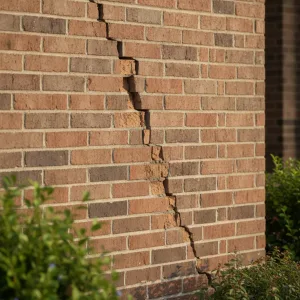
- Approximately 70–80% of brick cracks are cosmetic and harmless; the remaining 20–30%—jagged stair-step patterns, cracks wider than a quarter-inch, or actively growing fissures—signal potential foundation movement requiring professional evaluation.
- Ignoring early structural warning signs can escalate a $500 cosmetic repair into $10,000–$30,000+ in foundation work plus thousands more in interior damage within 3–5 years.
- Start with a TREC-licensed home inspector, who will refer you to a licensed structural engineer if cracking appears significant—the two professionals work sequentially, not interchangeably.
- Trust Journey Home Inspections for TREC-licensed expertise, a 4,000+ item checklist, and same-day reporting — visit Journey Home Inspections to protect your home’s value and your peace of mind.
When Is Brick Cracking in Carrollton Homes a Serious Problem?
Not all brick cracks signal danger, but certain patterns—jagged stair-step cracks, wide fissures, or cracks that actively grow—often indicate underlying foundation movement caused by DFW’s expansive clay soils. Cosmetic hairline cracks from thermal expansion or minor settling are typically harmless, while structural cracks demand professional evaluation and may require foundation repair costing $8,000–$30,000+. The key is knowing which type you’re facing and when to call a structural engineer.
Understanding the difference between these two categories—and the local soil conditions that drive cracking in Carrollton—is essential for protecting your home’s value and structural integrity.
Journey Home Inspections
Same-Day Detailed Report — 4,000+ Items Checked
Core Service Programs:
- Buyer & Seller Home Inspections for pre-purchase, pre-listing, and full general inspections covering 4,000+ items
- New Construction & Phase Inspections for new builds, phase checks, and 11-month builder warranty inspections
- Specialty Inspections for pool & spa, septic, well, irrigation, and pier & beam foundation systems
Why Choose Journey Home Inspections:
- ✓ Trusted by customers with a perfect 5.0-star Google rating across 79 verified reviews
- ✓ Family-owned, faith-based, and serving North Texas since 2016
- ✓ Led by Bryan Hughes — TREC-licensed (#21772) and insured
- ✓ InterNACHI Certified Professional Inspector
- ✓ 4,000+ items checked on every inspection — roof to foundation
- ✓ Same-day reports with photos, clear findings, and plain-language explanations
- ✓ Thermal imaging and drone technology on every inspection
Why Carrollton Homes Are Prone to Brick Cracking: The Expansive Clay Soil Factor
Carrollton sits squarely within the Blackland Prairie ecological region, home to some of the most expansive clay soils in the country. According to Texas A&M AgriLife Extension and USGS data, these soils experience vertical movement of 1 to 4+ inches between wet and dry seasonal cycles—a relentless push-and-pull that places enormous stress on foundations and the brick veneer attached to them.
More than 80% of Carrollton homes were built with brick veneer, a construction method that dominated North Texas building from the 1960s onward. With an estimated 30–40% of the city’s housing stock predating 1980, many homes have spent decades absorbing this seasonal soil movement. Older construction standards weren’t always designed with today’s understanding of expansive soil behavior, which means cracking risk compounds with every passing year. Even newer builds aren’t immune—modern post-tensioned slabs help, but DFW clay doesn’t stop moving just because the engineering improved.
You’re Not Alone—Brick Cracking Is Common in Carrollton
With 80%+ of Carrollton homes built with brick veneer and sitting on expansive clay soils, brick cracking is one of the most frequently reported issues in DFW home inspections. Seeing cracks doesn’t automatically mean disaster—it means you’re paying attention to your home.
Types of Brick Cracks: Cosmetic vs. Structurally Significant
Not every crack you see on your brick wall is cause for alarm. Industry estimates suggest approximately 70–80% of brick cracking is cosmetic—hairline, mostly vertical, and static over time. These typically result from thermal expansion as temperatures swing between Carrollton’s hot summers and cooler winters, or from the minor settling that happens naturally in any home over time. They look concerning but pose no structural threat.
The remaining 20–30% of cracks are structurally significant, and recognizing them is critical. Here’s what to watch for:
- Stair-step cracks that follow mortar joints diagonally across the brick face—especially those extending into the bricks themselves—are the most serious indicator of differential foundation settlement.
- Cracks wider than a quarter-inch, particularly near corners, doors, or windows, warrant immediate professional attention.
- Horizontal cracks or bulging brick suggest lintel failure (the steel beam above a window or door is sagging or rusting) or significant structural stress on the wall itself.
- Cracks accompanied by interior symptoms—drywall cracks, sticking doors or windows, or uneven floors—strongly suggest the problem originates below the surface at the foundation level.
Pro Tip: Document Your Cracks Over Time
Take dated photos of any brick cracks you notice, especially their width and location. If cracks are actively growing, this documentation helps a structural engineer quantify movement and determine urgency. It also protects you in real estate transactions by showing you were aware and monitoring the issue.
Common Causes of Brick Cracking in North Texas
Understanding what’s driving the crack helps you respond appropriately. In North Texas, the causes break down into a clear hierarchy:
- Differential foundation settlement is the leading cause of severe, structurally significant cracking. When one section of a slab sinks more than another—driven by uneven soil moisture—the brick veneer above it is pulled apart unevenly, producing those telltale stair-step patterns.
- Thermal expansion and contraction produce hairline, often vertical cracks as brick expands in summer heat and contracts in winter cold. These are common and typically harmless.
- Lintel failure occurs when the steel beam above a window or door corrodes or deflects, causing horizontal or stepped cracking directly above the opening. This is a localized but serious issue.
- Mortar deterioration in homes 30+ years old can mimic cracking as joints crumble from age and weather exposure—often repairable with tuckpointing alone.
- Missing or failed brick ties—the metal connectors that anchor brick veneer to the wall sheathing—can allow the veneer to bow outward, creating cracking and instability in more severe cases.
Proximity to Carrollton’s creek systems, including areas near the Elm Fork Trinity River, can also influence local soil moisture levels, accelerating the shrink-swell cycle that stresses foundations. Older drainage infrastructure in established neighborhoods compounds the problem by allowing water to pool near foundations rather than drain away.
When to Call a Home Inspector vs. a Structural Engineer
These two professionals serve different but complementary roles, and understanding the sequence saves you time and money. Start with a general home inspection from a TREC-licensed inspector. Under TREC’s Standards of Practice (Section 535.228), inspectors are required to observe and report on visible structural components—including brick condition, foundation grading, and drainage—and must recommend further evaluation when significant issues are suspected.
A licensed structural engineer (PE) enters the picture when the inspector flags cracking as potentially significant. Engineers perform the deeper analysis: quantifying foundation movement, diagnosing root causes, and designing specific repair solutions. They can do what inspectors legally cannot—render an engineering judgment about structural integrity and prescribe a repair plan.
Before hiring any inspector, verify their TREC license at trec.texas.gov and confirm they carry the required minimum $100,000 errors-and-omissions and general liability insurance. Look for InterNACHI Certified Professional Inspector (CPI) credentials and ask whether they use elevation measurement tools like zip levels for foundation assessment—these details separate thorough inspectors from superficial ones.
Red Flag: Avoid Inspectors Who Offer Repairs
Never hire a home inspector who also offers to perform foundation or masonry repairs on the home they inspect—this is a conflict of interest and is illegal in Texas. A qualified inspector should recommend specialists, not profit from the repairs themselves.
Cost Breakdown: Inspection, Diagnosis, and Repair in Carrollton
| Service | Typical Cost Range (DFW) | Notes |
|---|---|---|
| Home Inspection (1,500–3,000 sq ft) | $500–$750 | Includes visual structural assessment; same-day report |
| Home Inspection (3,000+ sq ft) | $700–$1,000+ | Older homes may require additional time and scrutiny |
| Structural Engineer Evaluation | $500–$1,000+ | Separate from inspection; diagnoses root cause and designs repair plan |
| Cosmetic Brick Repair (tuckpointing / crack injection) | $300–$2,500 | Appropriate only when no active foundation movement is present |
| Localized Brick Replacement | $500–$3,000+ | Cost varies with matching brick availability and extent of damage |
| Foundation Pier Installation (DFW) | $8,000–$30,000+ | Most common repair for differential settlement; cost depends on pier count and depth |
| Drainage Correction (French drains, re-grading) | $1,000–$5,000+ | Critical for preventing future soil movement and cracking recurrence |
| Re-inspection (post-repair verification) | $150–$300 | Confirms repairs were completed properly before closing or occupancy |
The financial case for acting early is straightforward: a $500 cosmetic repair today can prevent $10,000–$30,000+ in foundation work, plus thousands more in interior drywall damage, plumbing stress from slab movement, and escalating masonry costs—all within a 3–5 year window if the underlying movement goes unaddressed. For homeowners considering a pier and beam foundation inspection, catching movement early is especially important given how sensitively these systems respond to DFW’s soil cycles.
How Brick Cracking Affects Home Value and Real Estate Transactions in DFW
In DFW’s more balanced 2026 market—where buyers are once again using inspection contingencies and requesting thorough evaluations—visible brick cracking carries real financial consequences. Buyers who encounter significant or unaddressed cracking typically respond in one of three ways: negotiate repairs or a price reduction (estimated 60–75% of cases), request a structural engineer evaluation before proceeding (40–60% of cases), or walk away entirely when cracking is severe or combined with other foundation concerns (10–20% of cases).
Even cosmetic cracks create an impression of deferred maintenance that lowers perceived home condition—and perceived condition drives offers. The good news is that proactive repair, paired with documentation of any structural work completed, can actually strengthen buyer confidence and support your asking price. Sellers who address concerns before listing are far better positioned than those who leave buyers to discover issues during inspection.
Texas consistently leads the nation in homeowner insurance claims related to foundation movement, according to Texas Department of Insurance data, with DFW as a primary hotspot. It’s worth noting that standard homeowner’s insurance policies in Texas generally do not cover foundation movement or related brick cracking caused by expansive soils or drought—coverage is typically limited to sudden, accidental perils. Review your specific policy carefully before assuming you have a safety net.
Why Journey Home Inspections Is the Right Choice for Carrollton Homeowners
When brick cracking raises questions about your home’s structural health, you need an inspector who knows exactly what to look for—and has the credentials and tools to back it up. Journey Home Inspections has earned a perfect 5.0-star Google rating across 79 verified reviews, a track record built on consistently thorough reporting of exactly the kind of structural concerns this article covers.
The company is led by Bryan Hughes, TREC-licensed inspector (#21772) and InterNACHI Certified Professional Inspector, whose training specifically addresses DFW’s challenging expansive soil environment. Every inspection covers 4,000+ items—from brick condition and foundation grading to drainage patterns and interior symptom correlation—with a same-day report delivered in plain language, not inspector jargon. Thermal imaging and drone technology are included on every inspection, giving you visibility into issues that a standard visual walkthrough might miss.
As a family-owned, faith-based business serving North Texas since 2016, Journey Home Inspections operates on a simple principle: honest, thorough assessment over upselling. If the cracking you’re seeing warrants a structural engineer referral, you’ll hear that clearly—not a vague recommendation designed to generate additional business. You can explore the full range of inspection services or read what past clients have experienced firsthand on the reviews page.
Schedule Your Home Inspection with Journey Home Inspections today and get the expert clarity your Carrollton home deserves.
Frequently Asked Questions
Brick cracking becomes dangerous when it is wider than a quarter-inch, actively growing over time, or forms diagonal stair-step patterns—especially near corners, doors, or windows. These patterns often indicate underlying foundation movement or structural stress that can compromise your home’s integrity if left unaddressed. When cracking is accompanied by interior symptoms like drywall cracks, sticking doors, or uneven floors, the urgency increases significantly. A TREC-licensed home inspector can assess severity and tell you whether a structural engineer evaluation is warranted.
Yes—significant or unaddressed brick cracking can meaningfully affect your home’s value and buyer confidence in DFW’s current market. Buyers are more likely than ever to use inspection contingencies and request thorough evaluations, and visible cracking typically triggers repair negotiations, price reduction requests, or structural engineer evaluations in the majority of transactions. Even cosmetic cracks create an impression of deferred maintenance that can soften offers. Proactive repair paired with documentation of completed work is the most effective way to protect your sale price.
Patching through tuckpointing or crack injection is appropriate for cosmetic, hairline cracks that are static and not related to active foundation movement. However, if cracks are wide, actively growing, or indicate underlying settlement, patching alone won’t solve the problem—the cracks will reappear because the cause hasn’t been addressed. In those cases, the foundation issue must be resolved first, after which cosmetic brick repair can be completed as a final step. Skipping straight to patching is a short-term fix that can mask a worsening condition.
Standard homeowner’s insurance policies in Texas typically do not cover foundation movement or related brick cracking caused by expansive soils, drought, or normal settling—these are considered gradual conditions rather than sudden, accidental perils. Coverage is generally limited to specific sudden events, such as a slab pipe burst that causes foundation damage. Texas consistently leads the nation in foundation-related insurance disputes, so it’s worth reviewing your specific policy and any riders carefully rather than assuming coverage exists.
Journey Home Inspections stands out with a perfect 5.0-star Google rating across 79 verified reviews—a consistent track record earned through honest, thorough reporting on exactly the structural concerns Carrollton homeowners face. Led by TREC-licensed inspector Bryan Hughes (#21772) and InterNACHI Certified Professional Inspector, the team brings specialized expertise in DFW’s expansive soil environment, a 4,000+ item inspection checklist, same-day reporting with photos, and thermal imaging and drone technology on every inspection. As a family-owned, faith-based business since 2016, the priority is always your peace of mind over upselling. Schedule Your Home Inspection today to get expert clarity on your home’s true condition.
Concerned About Brick Cracking in Your Carrollton Home?
You don’t have to guess whether those cracks are cosmetic or something more serious. Journey Home Inspections provides a thorough, 4,000+ item evaluation—including brick condition, foundation grading, and drainage—with a same-day report that gives you clear answers and a confident path forward. Whether you’re buying, selling, or simply paying attention to your home, expert clarity is one inspection away.
*Pricing, service availability, and inspection details mentioned in this article are accurate as of the date of publication and are subject to change. A home inspection reflects a property’s condition at the time of inspection and is not a warranty or guarantee. Please contact us directly to schedule an inspection of your specific property.