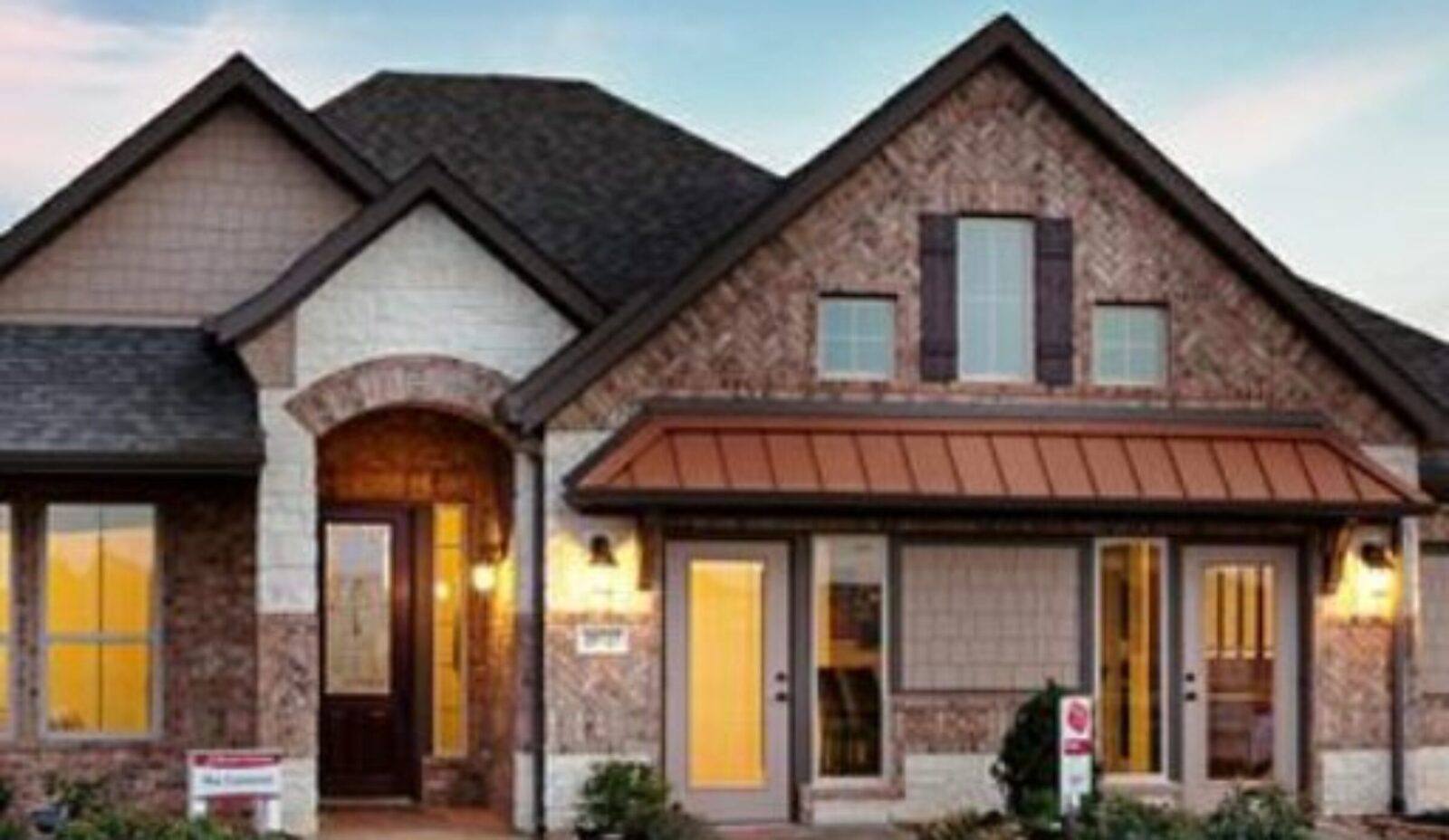
Keller, TX Home Inspections: Top Companies, Cost & Reviews
Picture this: You’ve spent months searching, and you’ve finally found it—a four-bedroom home in Keller with the open floor plan, the backyard your kids will love, and a location that puts you in the heart of one of DFW’s most sought-after school districts. You’re excited. You’re ready to sign. And then a small, nagging voice in the back of your head asks: But what’s hiding behind those walls?
That voice is worth listening to. In a market where homes regularly sell for $650,000 to $700,000 or more, and where North Texas’s expansive clay soil, hail-prone weather, and extreme temperature swings create very real structural and mechanical challenges, a professional home inspection isn’t just a formality. It’s the single most important step between you and a purchase you’ll regret—or a purchase you’ll feel completely confident about.
This guide is built to give you everything you need: honest pricing data, an explanation of what inspectors actually check, how to verify credentials, and a side-by-side look at five of the top home inspection companies serving Keller and Northeast Tarrant County. Whether you’re a first-time buyer or a seasoned homeowner relocating to the area, you’ll leave here knowing exactly what to do next.
Key Takeaways
- Keller’s median home price of $650K–$700K makes a thorough inspection one of the smartest investments you can make before closing.
- Standard inspection costs in Keller range from $375 (small homes) to $900+ (larger homes over 3,500 sq ft); most buyers spend $600–$800 for the inspection alone.
- A comprehensive inspection package—including termite/WDI, sewer scope, and pool inspection—typically runs $1,050–$1,425 for a typical Keller home.
- All Texas home inspectors must be licensed by TREC (Texas Real Estate Commission); verify any inspector at trec.texas.gov before booking.
- Over 80–90% of home inspections reveal at least one significant defect—this is normal, and it’s exactly why you need one.
- Foundation movement, HVAC wear, hail-damaged roofing, and plumbing issues are the most common findings in North Texas homes.
- The Texas Option Period (typically 5–10 days) is your window to inspect, negotiate, or walk away—schedule your inspection the same day you go under contract.
- The trend of buyers waiving inspections has reversed sharply: 80–90% of Keller buyers now use inspection contingencies in 2026.
Why Home Inspections Matter More in Keller, TX Than You Might Think
Keller isn’t your average suburb. With a median household income of $150,000–$155,000 and a homeownership rate hovering around 85–90%, this is a community of people who have worked hard for what they have—and who have a lot at stake when they buy a home. The typical Keller buyer isn’t picking up a starter home; they’re making a move-up purchase in the $650,000–$700,000 range, often with executive-level expectations about quality and condition.
That price point alone makes a professional inspection non-negotiable. But Keller’s specific geography and climate add another layer of urgency. The North Texas region sits on expansive clay soil that swells when wet and shrinks when dry—a cycle that puts enormous stress on slab foundations year after year. Foundation movement is the single most common (and most expensive) issue inspectors find in this area, with repair costs ranging from $5,000 to well over $50,000 depending on severity.
Then there’s the weather. DFW is one of the most hail-prone metropolitan areas in the country. A single severe storm can compromise roofing materials in ways that aren’t visible to the untrained eye—but that will absolutely show up as a $15,000–$25,000 replacement bill a few years down the road. Inspectors who know this market know where to look and what to look for.
Keller’s homes are also larger than average. Many properties fall in the 2,500–5,000+ square foot range, and larger homes simply have more systems—more HVAC units, more plumbing runs, more electrical circuits, more roof surface area. More systems means more opportunities for something to be aging, improperly installed, or quietly failing. Journey Home Inspections serves the Dallas-Fort Worth area, including Keller, with the kind of thorough, technology-assisted inspections that larger, more complex homes genuinely require.
One more important shift worth noting: the days of buyers waiving inspections to win bidding wars are largely over. During the frenzy of 2021–2022, many buyers skipped inspections entirely just to get an offer accepted. That trend has reversed sharply. In 2026, approximately 80–90% of Keller buyers are using inspection contingencies—a sign that the market has rebalanced and that buyers are reclaiming their right to due diligence.
Understanding Keller’s Real Estate Market: Context for Your Inspection Decision
Keller is an established, affluent suburb of about 50,000–51,000 residents, growing at a steady 1–2% annually. Unlike the explosive growth happening in nearby Roanoke (which is seeing double-digit percentage increases), Keller’s growth is mature and measured—focused on maintaining quality of life rather than rapid expansion. That stability is part of what makes it so desirable, but it also means the housing stock skews older.
A significant portion of Keller’s homes were built in the 1990s and 2000s. That means a lot of original HVAC systems, original roofing, and original plumbing that is now 20–30 years old—right at or past the end of typical service life. A home that was pristine when it was built in 1998 may now have an HVAC system approaching its last few years, a water heater that’s overdue for replacement, and a roof that’s been through enough hail seasons to need a closer look.
The current market (as of early 2026) shows homes spending 45–60 days on market, with 30–50 homes sold monthly. This is notably more balanced than the frantic pace of 2023–2024, which means buyers have more negotiating power and more time for proper due diligence. You’re not being forced to waive contingencies to compete—use that breathing room wisely.
The typical Keller buyer is a move-up buyer or a relocating professional drawn by the highly rated Keller ISD, the larger lot sizes, and the community’s overall quality of life. These are buyers who can afford to be selective—and who have the most to lose if they skip the inspection and discover a $30,000 foundation problem six months after closing. A professional home inspection in a balanced market like this isn’t just protection—it’s leverage.
According to data from the Texas Association of Realtors and local DFW real estate agents, over 70% of buyers who get an inspection attempt to renegotiate the sale price or request repairs. In Keller’s current market, sellers are more willing to negotiate than they were two years ago. A thorough inspection report is your most powerful tool at the negotiating table.
Home Inspection Costs in Keller: What You’ll Actually Pay
Let’s talk numbers—because one of the most common questions buyers have is simply: How much is this going to cost me? The answer depends primarily on your home’s square footage, age, and the add-on services you choose. Here’s a clear breakdown based on 2026 market data for the Keller and Northeast Tarrant County area.
Standard inspection pricing by home size:
- Under 1,500 sq ft: $375–$475
- 1,500–2,500 sq ft: $425–$575
- 2,500–3,500 sq ft: $525–$725
- Over 3,500 sq ft: $675–$900+
- Over 5,000 sq ft: $1,000–$1,500+
Because Keller’s housing stock skews large—many homes fall in the 3,000–5,000 square foot range—most buyers should budget in the $600–$800 range for the standard inspection alone. That’s before any add-on services, which are often worth every penny.
Common add-on services and their typical costs:
- Termite/WDI Inspection: $75–$150
- Sewer Scope Inspection: $200–$450
- Pool/Spa Inspection: $175–$275
- Radon Testing: $150–$250
- Sprinkler System Inspection: $50–$100
- Mold Testing: $300–$600+ (performed by a specialized assessor)
- Foundation Evaluation (Structural Engineer): $400–$800+
For a typical Keller home purchase, a comprehensive inspection package including the standard inspection, termite/WDI, and sewer scope runs approximately $1,050–$1,200. Add a pool inspection if the home has one, and you’re looking at $1,275–$1,425. That’s your realistic all-in budget for complete peace of mind.
Why Keller Inspections Cost More Than Smaller Homes
Inspection pricing isn’t arbitrary—it reflects real time and complexity. A 4,000 square foot home takes significantly longer to inspect than a 1,500 square foot condo. An inspector working through a large Keller home needs to evaluate two or three HVAC systems, a sprawling roof, multiple bathrooms, a complex electrical panel, and potentially a pool, detached garage, or guest suite. That’s a 4–5 hour commitment, compared to 2–3 hours for a smaller home.
Older homes (pre-2000) also add complexity. Aging systems require more careful evaluation, and inspectors need to look for issues specific to the era of construction—galvanized pipes, outdated electrical panels, original HVAC equipment. DFW-specific factors like expansive soil foundation assessment and hail damage evaluation add further time and expertise to the process. You can explore the full scope of what a home inspection covers to understand exactly what you’re paying for.
Bundled Inspection Packages: The Smart Way to Save
Most reputable Keller-area inspectors offer bundled packages that combine the standard home inspection with popular add-on services. A typical bundle might include the home inspection plus termite/WDI and sewer scope—services that are almost universally recommended for Keller homes given the area’s soil conditions and aging housing stock.
The financial benefit is real: bundles typically save $50–$200 compared to booking each service separately. But the convenience factor is equally valuable. One appointment, one coordinated schedule, one comprehensive report delivered together. When you’re working within a 5–10 day option period, streamlining the process matters.
💡 Pro Tip: Ask About Bundled Pricing Before You Book
When you call to schedule, always ask what bundles are available. Many inspectors don’t advertise their bundle pricing prominently, but will offer it when asked. Combining your standard inspection with a termite/WDI and sewer scope in one appointment can save you $100–$200 and simplify your option period timeline significantly.
Ready to schedule your Keller home inspection? Journey Home Inspections offers comprehensive inspections with advanced technology—thermal imaging, drone inspections, and detailed reporting—to give you complete peace of mind before you close.
Schedule Your Inspection⚠️ What One Missed Inspection Could Cost You
A $600 inspection might feel like an added expense when you’re already stretched thin on a Keller purchase. But consider what you’re protecting against: foundation repairs run $5,000–$50,000+, roof replacements cost $8,000–$25,000+, and HVAC replacement can hit $5,000–$12,000 per unit (and many Keller homes have two or more units). A single missed defect can cost you 10–50 times the inspection fee. In this market, the inspection isn’t an expense—it’s insurance against catastrophic post-purchase costs.
TREC Licensing and Regulatory Requirements: How to Verify Your Inspector
Texas takes home inspector licensing seriously—and that’s a good thing for buyers. Every home inspector operating legally in Texas must be licensed by the Texas Real Estate Commission (TREC). This isn’t optional, and it’s not a rubber stamp. TREC licensing requires meaningful education, a state examination, and ongoing continuing education to maintain.
Before you book any inspector in Keller, verify their license at https://www.trec.texas.gov/LicenseSearch/. You can search by name or license number. The lookup takes about 30 seconds and gives you critical information that can save you from a serious mistake. You can also review the frequently asked questions about home inspections for more guidance on what to look for when vetting an inspector.
What TREC License Verification Tells You
The TREC license lookup provides four key pieces of information:
- License Status: Active, Expired, Inactive, or Suspended. Only book an inspector with an Active license.
- License Type: Professional Inspector (the most rigorous classification, requiring 200+ education hours and a passed state exam) vs. Apprentice Inspector (less experienced, working under supervision). For a Keller home at this price point, you want a Professional Inspector.
- Expiration Date: Confirms the inspector is meeting their continuing education requirements (32 hours every two years for Professional Inspectors).
- Disciplinary History: Any complaints filed against the inspector and how TREC resolved them. A clean record matters.
TREC’s Standards of Practice (found in Texas Administrative Code, Chapter 535, Subchapter R) define the minimum scope of every licensed inspection. This means every TREC-licensed inspector is required to evaluate structural systems, electrical, HVAC, plumbing, appliances, roofing, and more—using a standardized framework that protects you as a consumer.
Filing a Complaint if Something Goes Wrong
If you believe your inspector failed to identify a readily observable defect, violated TREC’s Standards of Practice, or acted unprofessionally, you have recourse. TREC accepts consumer complaints at https://www.trec.texas.gov/ under the “File a Complaint” section. You’ll need the inspector’s name and license number, a detailed description of the issue, and any supporting documentation (your inspection report, photos, written communications).
TREC investigates complaints and can impose fines, require additional continuing education, suspend licenses, or revoke them entirely. Resolution timelines range from several weeks to several months depending on complexity. The most common complaint categories TREC sees include failure to report a readily observable deficiency, violations of Standards of Practice, and failure to maintain proper insurance.
🚩 Red Flags That Signal a Subpar Inspector
Be cautious of any inspector who can’t immediately provide their TREC license number, has disciplinary actions on their record, quotes a price significantly below market (under $300 for a large Keller home is a red flag), rushes through the inspection in under 90 minutes, or won’t allow you to attend. A thorough, professional inspector welcomes your presence, answers your questions, and delivers a photo-rich report that explains findings clearly. Trust your gut—if something feels off during the booking process, it usually is.
Top 5 Home Inspection Companies in Keller, TX: Compared and Reviewed
Finding the right inspector in Keller means looking beyond Google’s first result and doing a little homework. The five companies below are all TREC-licensed, actively serve Keller and Northeast Tarrant County, and have earned strong reputations through consistent customer feedback. Each brings something different to the table—here’s an honest breakdown to help you choose.
Keep in mind that during peak season (spring and summer), popular inspectors book up 3–7 days in advance. Don’t wait until you’re under contract to start researching—have your inspector picked out before you make an offer.
1. Journey Home Inspections
Location: Fort Worth, TX (serving the full Dallas-Fort Worth area, including Keller)
TREC Licensed: Yes — Professional Inspector license verified
Specialties: Residential home inspections, thermal imaging, drone inspections, comprehensive reporting
Journey Home Inspections stands out for its integration of advanced technology into every inspection. Thermal imaging cameras can detect heat signatures that reveal hidden moisture intrusion, insulation gaps, and electrical hot spots that aren’t visible to the naked eye. Drone inspections allow for safe, thorough assessment of steep or high rooflines—a real advantage on Keller’s larger homes where roof access can be challenging.
Customers consistently praise the team’s thoroughness, clear communication, and educational approach—inspectors take time to walk buyers through findings in plain language, not inspector jargon. Reports are detailed and photo-rich, giving buyers a clear picture of what they’re dealing with. Bundled packages are available, and pricing is competitive with the market. Booking 5–7 days in advance is recommended during peak season.
Best for: Buyers who want technology-enhanced inspections, thorough documentation, and an educational walkthrough experience. Learn more about the different types of inspections offered to find the right fit for your purchase.
2. Inspect360
Location: 3500 William D Tate Ave #200, Grapevine, TX 76051
TREC Licensed: Yes — Professional Inspector license verified
Specialties: Home inspections, sewer scopes, pool inspections, ancillary services
Inspect360 has built a strong reputation for professional, knowledgeable inspectors and prompt report delivery. Customers frequently highlight the ease of scheduling and the responsiveness of the team—important qualities when you’re working against an option period deadline. Their wide range of specialized ancillary services is a genuine differentiator: sewer scopes, pool inspections, and other add-ons are available and often bundled for convenience and cost savings.
Pricing is mid-range for the market, with bundled packages offering good value. During peak season, booking several days in advance is recommended. Customer service is consistently noted as a strength—they’re responsive before, during, and after the inspection.
Best for: Buyers who want a wide menu of specialized services bundled conveniently, with strong customer service throughout the process.
3. ProSight Inspection Services
Location: 700 S. Main St. Ste. 104, Keller, TX 76248
TREC Licensed: Yes — Professional Inspector license verified
Specialties: Residential home inspections, detailed reporting, educational approach
ProSight’s local Keller address is more than a detail—it reflects genuine roots in the community. Their inspectors are frequently praised for delivering exceptionally thorough, detailed reports with extensive photos and clear explanations of complex issues. If you’re the type of buyer who wants to understand every finding in depth, ProSight’s reports are built for you.
Some customers note that the reports are very extensive—which is occasionally mentioned as a minor inconvenience, but is really a feature for buyers who want comprehensive documentation. Their patient, educational approach is particularly well-suited to first-time buyers or anyone navigating a complex older home.
Best for: Detail-oriented buyers who want exhaustive documentation and clear explanations, and who appreciate a local Keller presence.
4. Noble Property Inspections
Location: 2000 Golden Triangle Blvd, Fort Worth, TX 76177
TREC Licensed: Yes — Professional Inspector license verified
Specialties: Residential home inspections, experienced inspector team, construction background expertise
Noble Property Inspections earns consistent praise for their team of experienced inspectors who bring diverse construction backgrounds to every job. That depth of experience matters when you’re evaluating a 25-year-old home with original systems—inspectors who have worked in construction know how things are built and what fails first. Customers value their ability to identify subtle issues that less experienced inspectors might miss, and their clear, concise explanations of complex findings.
Pricing is competitive and represents strong value for the expertise level. One note: their booking slots fill quickly during peak season, so plan ahead. They’re a particularly strong choice for buyers purchasing older homes or homes with complex systems.
Best for: Buyers purchasing older or more complex homes who want inspectors with deep construction knowledge and experience identifying subtle defects.
5. HomeTeam Inspection Service
Location: P.O. Box 77051, Fort Worth, TX 76177
TREC Licensed: Yes — Professional Inspector license verified
Specialties: Residential home inspections, team-based approach, multiple specialized inspectors
HomeTeam’s model is genuinely unique: rather than a single inspector working through a home sequentially, they deploy multiple inspectors simultaneously—each specializing in specific systems. One inspector focuses on structural and exterior, another on mechanical systems, another on electrical and plumbing. The result is a faster, comprehensive inspection that doesn’t sacrifice thoroughness for speed.
This approach is particularly valuable for buyers on tight timelines—if you’re working with a compressed option period or need results quickly, HomeTeam’s efficiency is a real advantage. Customers consistently praise the comprehensive reports and the ability to schedule multiple services simultaneously.
Best for: Buyers who need a fast turnaround without sacrificing comprehensiveness, or who are juggling a tight option period timeline.
✅ The Smart Buyer’s Inspector Checklist
When comparing inspectors, prioritize TREC licensing (Professional Inspector level), strong Google and Nextdoor reviews, willingness to let you attend, detailed sample reports, and clear communication over the lowest price. Ask specifically about their experience with Keller’s challenges: foundation movement from expansive soil, hail damage assessment, and aging systems in 1990s-2000s construction. A $100 difference in price is completely negligible compared to missing a $15,000 problem. Always ask for a sample report before you book—it tells you everything about how thorough and clear their communication is.
If you’re comparing inspectors and want a company that combines thorough expertise with transparent communication, Journey Home Inspections brings both to every inspection in the Keller area. Read what past clients have experienced firsthand.
Read Client ReviewsWhat Inspectors Will (and Won’t) Check: Understanding the Scope
One of the most common sources of buyer disappointment after an inspection is discovering that something they assumed was checked wasn’t actually part of the standard scope. Understanding what TREC requires inspectors to evaluate—and what falls outside that scope—helps you set realistic expectations and make informed decisions about add-on services.
The key principle in TREC’s Standards of Practice is this: inspectors evaluate readily accessible, visually observable systems and components. They’re not required to move furniture, open walls, dig up the yard, or operate systems that are shut off or inaccessible. They’re trained observers, not destructive investigators.
Standard Inspection Scope (What’s Included)
A standard TREC-compliant inspection covers the following systems and components:
- Structural components: Foundation, framing, roof structure
- Exterior: Siding, windows, doors, gutters, grading and drainage
- Roof: Covering, flashing, penetrations (from ground level or accessible areas)
- HVAC: Heating, cooling, and ventilation systems
- Plumbing: Water supply, drainage, fixtures, water heater
- Electrical: Service panel, wiring, outlets, switches, GFCI protection
- Appliances: Built-in appliances including stove, dishwasher, garbage disposal
- Interior: Walls, ceilings, floors, doors, stairs, handrails
For a detailed look at exactly what gets evaluated in a professional inspection, the full scope of a Journey Home Inspection provides a clear breakdown of every system assessed.
Beyond Standard Scope: When to Add Specialized Inspections
Standard inspections explicitly do not cover: cosmetic imperfections, underground utilities (sewer lines, sprinkler systems), detached structures not included in the contract, systems that are shut off or inaccessible, environmental hazards (mold, asbestos, radon) without specialized testing, or the life expectancy of systems.
This is where add-on services become critical for Keller buyers:
- Sewer Scope: Strongly recommended for any Keller home built before 2000. A camera inspection of the sewer line can identify root intrusion, pipe collapse, or deterioration that would cause a catastrophic (and expensive) failure after purchase. Cost: $200–$450.
- Pool/Spa Inspection: Essential if the home has a pool. The standard inspection does not cover pool equipment, plumbing, or structure. Cost: $175–$275.
- Radon Testing: Less common in DFW than in northern states, but available and worth considering. Cost: $150–$250.
- Mold Testing: Only if visual mold is suspected or the inspector notes moisture concerns. Requires a specialized assessor. Cost: $300–$600+.
- Foundation Evaluation by Structural Engineer: If your inspector notes significant foundation movement, a structural engineer’s assessment provides a more detailed analysis and repair recommendations. Cost: $400–$800+.
It’s also worth understanding how inspectors approach roofs specifically—a topic that matters a lot in hail-prone North Texas. The approach to roof inspections varies by inspector and home configuration, and knowing what to expect helps you ask the right questions.
Most Common Issues Found in Keller Home Inspections
Here’s something that surprises many buyers: over 80–90% of home inspections—even on newer homes—reveal at least one significant defect. This isn’t a sign that something is wrong with the home you’re buying. It’s a sign that inspections work. The question isn’t whether your inspector will find something; it’s whether what they find is manageable or a dealbreaker.
In Keller specifically, certain issues come up again and again due to the area’s soil conditions, climate, and housing stock age. A comprehensive home inspection is designed to catch these issues before they become your problem to solve alone—post-closing, without any negotiating leverage.
Foundation Issues: The #1 Concern in North Texas
If there’s one issue that defines home inspections in the DFW area, it’s foundation movement. North Texas sits on expansive clay soil—a type of soil that absorbs water and swells significantly when wet, then shrinks and contracts during dry periods. This constant movement puts enormous stress on concrete slab foundations, causing cracking, settling, and in more severe cases, significant structural distress.
The symptoms aren’t always obvious to an untrained eye: interior cracks in drywall (particularly diagonal cracks at door and window corners), doors or windows that stick or won’t close properly, sloping or uneven floors, and exterior brick cracks or separation. A trained inspector knows how to distinguish normal settling from active, problematic movement.
Repair costs vary enormously based on severity and method. Minor foundation work might run $5,000–$10,000. More significant repairs involving multiple piers can reach $25,000–$50,000 or more. Catching early signs of movement before they become major structural problems is one of the most valuable things a Keller home inspection can do for you.
HVAC and Roofing: Climate-Related Wear
DFW’s extreme heat puts HVAC systems through their paces every summer. Temperatures regularly exceed 100°F for weeks at a time, and systems that might last 18–20 years in a milder climate often reach the end of their useful life in 12–15 years here. Many of Keller’s 1990s and early 2000s homes have original HVAC equipment that is at or past that threshold.
Common HVAC findings include aging units with reduced efficiency, refrigerant leaks, clogged condensate drain lines (a frequent cause of water damage), and inadequate maintenance history. Replacement costs run $5,000–$12,000 per unit—and many Keller homes have two or more units. Understanding the condition and age of HVAC systems is a critical part of your inspection. You can also review guidance on HVAC system maintenance to understand what proper upkeep looks like and what red flags to watch for.
Roofing is the other major climate-related concern. North Texas is one of the most hail-prone regions in the country, and a single severe storm can compromise roofing materials in ways that aren’t immediately obvious but will absolutely cause problems down the road. Hail damage can crack or dislodge shingles, damage flashing, and compromise the roof’s ability to shed water effectively. Roof replacement costs in Keller range from $8,000 to $25,000+ depending on size and materials. An inspector who knows what hail damage looks like—and knows how to assess it properly—is invaluable in this market.
Other commonly found issues in Keller inspections include plumbing deficiencies (slab leaks, pipe corrosion, aging water heaters), electrical deficiencies (ungrounded outlets, overloaded panels, DIY wiring in older homes), and drainage problems (improper grading, gutter issues) that exacerbate foundation movement. None of these are reasons to panic—but all of them are reasons to inspect thoroughly before you close.
📋 Why Timing Matters: The Option Period Explained
In Texas, your purchase contract typically includes an “option period”—usually 5–10 days after signing—during which you can terminate the contract for any reason. This is your inspection window. The moment you go under contract, schedule your inspection. Don’t wait even a day. You need time to receive the report, review it carefully, get contractor estimates for significant findings, and negotiate with the seller—all before the option period expires. Missing that deadline means you lose your right to terminate based on inspection findings, and you’re committed to the purchase regardless of what the inspector finds.
How to Prepare for Your Keller Home Inspection: A Buyer’s Guide
Getting a home inspection is one thing. Getting the most out of your home inspection is another. The difference between a buyer who walks away from the inspection feeling informed and empowered, and one who walks away confused and anxious, often comes down to preparation and engagement. Here’s exactly what to do at each stage.
Before the Inspection: What to Do
- Book immediately after going under contract. Don’t wait. During spring and summer, popular inspectors in Keller book up 3–7 days out. The earlier you call, the better your chances of getting your preferred inspector during your option period.
- Verify the inspector’s TREC license. Takes 30 seconds at trec.texas.gov. Check for active status, Professional Inspector classification, and a clean disciplinary record.
- Request a sample inspection report. This is the single best way to evaluate an inspector before you hire them. A good report is detailed, photo-rich, clearly organized, and written in plain language.
- Ask about add-on services. Discuss whether a sewer scope, pool inspection, or other specialized services are appropriate for the home you’re buying. Ask about bundle pricing.
- Plan to attend. Block out 2–4 hours depending on home size. Attending is not optional if you want to get full value from the inspection.
During the Inspection: How to Get the Most Value
- Arrive on time. Introduce yourself to the inspector and mention any specific concerns you have about the property—areas where you noticed something during showings, or systems you know are older.
- Follow the inspector through the home. You don’t have to shadow them every second, but staying engaged allows you to see issues as they’re identified rather than just reading about them later.
- Ask questions as they arise. A good inspector welcomes questions. Ask about severity, likely causes, and rough cost ranges for repair. Ask what you should monitor going forward.
- Take your own photos. Even though the report will include photos, having your own visual record is useful when discussing findings with contractors or your real estate agent.
- Don’t interrupt the process. Let the inspector work through their methodology. Save detailed questions for natural pause points rather than constantly redirecting their attention.
After the Inspection: Next Steps
- Review the report within 24 hours. Most inspectors deliver reports within 24 hours of the inspection. Read it carefully—all of it, not just the summary.
- Separate major issues from maintenance items. Not everything in an inspection report is equal. A cracked outlet cover is not the same as foundation movement. Focus your negotiating energy on significant defects.
- Get contractor estimates for major findings. Before you negotiate, know what repairs actually cost. Call licensed contractors for estimates on significant issues—this gives you credible numbers to work with.
- Consult your real estate agent. They can help you decide whether to request repairs, ask for a credit, renegotiate the price, or walk away. In Keller’s current market, sellers are more willing to negotiate than they were two years ago.
- Submit requests within the option period. All of this needs to happen before your option period expires. Time management is critical.
- Be prepared to walk away. If the issues are too severe and the seller won’t negotiate, terminating within the option period is a legitimate and sometimes necessary choice. That’s exactly what the option period is for.
If you’re also looking at homes in nearby communities, the process is very similar—you can review a detailed guide to Southlake, TX home inspections for a comparison of how the inspection market differs in adjacent high-value suburbs, or explore the Fort Worth home inspection cost breakdown for broader DFW context.
Don’t leave your Keller home purchase to chance. A professional inspection identifies issues before they become expensive problems—and gives you the leverage to negotiate from a position of knowledge, not guesswork.
Get in Touch with Journey Home InspectionsFrequently Asked Questions About Keller Home Inspections
These are the questions buyers in Keller ask most often—answered honestly and completely. If you have additional questions, the home inspection FAQ page covers a wide range of topics in depth.
Should I attend the home inspection in Keller, and what are the benefits of being there?
Yes—attending your inspection is one of the most valuable things you can do as a buyer. Being present allows you to see issues firsthand, ask your inspector questions in real-time, and develop a much deeper understanding of the home’s systems and maintenance needs than you’d get from reading a report alone. When you’ve watched the inspector point to a cracked heat exchanger or demonstrate a sticking door caused by foundation movement, that information sticks with you in a way that a written description simply doesn’t. This direct interaction also helps you interpret the written report more effectively and make more informed decisions about what to negotiate and what to let go.
What happens if the home inspection in Keller finds major problems with the property?
If major problems are discovered, you have several options during your option period: request the seller to make repairs before closing, ask for a credit toward closing costs to cover the repair costs yourself, renegotiate the sale price downward to reflect the home’s true condition, or terminate the purchase agreement entirely if the issues are too severe. Your real estate agent can help you evaluate the best strategy based on the severity of the findings and current market conditions in Keller. In today’s more balanced market, sellers are generally more willing to negotiate than they were during the peak frenzy of 2021–2022—so don’t assume you have to accept a problematic home or walk away empty-handed.
Do new construction homes in Keller truly need a professional home inspection?
Absolutely yes—and this is one of the most important things first-time new construction buyers get wrong. New construction homes in Keller need professional inspections, including phase inspections at critical stages: pre-pour (before the concrete slab is poured), pre-drywall (before walls are closed), and final. Issues are common even in brand-new homes due to hurried construction timelines, subcontractor errors, and overlooked defects that builders’ own inspectors may miss or overlook. An independent inspection provides an unbiased assessment that has no relationship to the builder, identifies problems before your builder’s warranty expires, and gives you documentation of the home’s condition at the time of purchase. Don’t assume “new” means “perfect.”
How should I choose between different home inspectors in the Keller area?
Prioritize TREC licensing (Professional Inspector level specifically), strong online reviews on Google and Nextdoor, demonstrated experience with Keller’s specific challenges (foundation issues from expansive soil, hail damage assessment, aging 1990s-2000s systems), and clear, accessible communication. Always ask for a sample report before you book—the quality and clarity of that report tells you exactly what you’ll get. While price matters, a $100 difference between inspectors is completely negligible compared to the risk of missing a $15,000 problem. Also verify that the inspector carries errors and omissions (E&O) insurance, and confirm whether they offer the specialized add-on services you need for your specific property.
Is it trustworthy to use a home inspector recommended by my buyer’s real estate agent in Texas?
Buyer’s agents often have lists of inspectors they’ve worked with and trust, and those recommendations can be a useful starting point. However, it’s always worth doing your own independent vetting in addition to following an agent’s recommendation. Check the inspector’s TREC license directly, read their recent Google and Nextdoor reviews, and look at sample reports before you commit. The vast majority of agent-recommended inspectors are genuinely good at their jobs—but doing your own research ensures you’re choosing based solely on your best interests, and it gives you confidence that your decision is fully informed rather than delegated.
What are common hidden or future costs a home inspection in Keller can help me avoid?
A thorough inspection can help you avoid some of the most financially devastating surprises in North Texas real estate: unexpected foundation repairs due to expansive clay soil ($5,000–$50,000+), premature HVAC replacement from systems that were already failing ($5,000–$12,000 per unit), major roof repairs or full replacement from unaddressed hail damage ($8,000–$25,000+), costly plumbing failures including slab leaks and sewer line breaks ($3,000–$15,000+), and dangerous electrical hazards that create both safety risks and insurance complications. Uncovering these issues before closing allows you to renegotiate, request repairs, or avoid a problematic property entirely—potentially saving you tens of thousands of dollars and years of stress.
“Over 70% of homebuyers who get an inspection attempt to renegotiate the sale price or request repairs. In Keller’s current market, the inspection report is your most powerful negotiating tool.” — National Association of Realtors data, local DFW real estate agent feedback
Protect Your Keller Investment With a Thorough, Professional Inspection
Buying a home in Keller is one of the biggest financial decisions you’ll ever make. You deserve to walk into that purchase with complete clarity about what you’re getting—not discover problems six months later when you’re on your own.
Journey Home Inspections serves Keller and the entire Dallas-Fort Worth area with detailed, transparent inspections backed by advanced technology and a genuine commitment to helping buyers understand what they’re buying. Whether you’re a first-time buyer or a seasoned homeowner making a move-up purchase, you deserve an inspector who’s on your side.
Your inspection is one of the most important steps in this process. Take it seriously—and take it with a team you can trust.
Schedule Your Keller Home Inspection