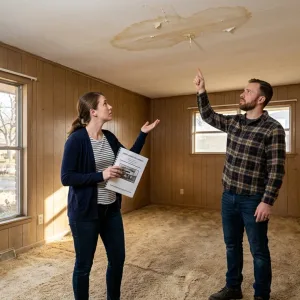
You’re 10 days from closing on a home in Southlake or Weatherford. The inspection window is closing fast, your agent just sent you two names — HouseMaster and National Property Inspections — and you’re sitting there wondering: does it actually matter which one I choose? The answer is yes. And not just a little. In a market like Fort Worth, where expansive clay soils shift foundations, summer heat hammers HVAC systems, and spring hailstorms chew through roofs, the inspector you hire could be the difference between a confident closing and a $30,000 surprise six months after you move in. This comparison exists to help you make that call with clear eyes — not to sell you on one brand over another, but to give you the honest picture so you can choose with confidence.
Key Takeaways
- Both HouseMaster and National Property Inspections are TREC-licensed national franchises with similar pricing ($400–$650 for standard inspections in the Fort Worth market).
- The real differentiator between the two companies is the local franchisee’s reputation, inspector experience, and familiarity with DFW-specific issues like expansive clay soils, hail damage, and HVAC stress.
- Fort Worth’s unique housing challenges — foundation movement, extreme heat, severe storms — make certain add-on services (sewer scope, thermal imaging) especially valuable here.
- You can verify any inspector’s TREC license, insurance status, and disciplinary history at trec.texas.gov before booking.
- A thorough inspection costing $400–$650 can realistically save you $10,000–$50,000 by identifying major defects before you close.
- Pricing, services, and report turnaround are nearly identical between the two companies — focus your evaluation on the specific local inspector, not just the brand name.
Why Home Inspection Matters in Fort Worth’s Competitive Market
Fort Worth has been one of the fastest-growing large cities in the United States for the better part of the last decade. The population surge — driven by job growth, relative affordability, and the broader DFW economic engine — has created a housing market where homes move fast, buyers are under pressure, and the temptation to skip due diligence is real. That pressure is exactly why professional home inspection services in Fort Worth matter more here than in slower, less competitive markets.
The local housing stock adds another layer of complexity. Fort Worth’s older neighborhoods — many with homes built before 1980 — carry the accumulated wear of aging electrical systems, galvanized plumbing, and decades of foundation movement. Meanwhile, newer construction in Justin, Weatherford, and other fast-growing suburbs presents a different set of risks: builder defects, improperly installed systems, and code compliance issues that aren’t always obvious at first glance.
Then there’s the soil. DFW’s expansive clay soils are notorious for causing foundation movement — a problem that’s largely invisible until it becomes expensive. Combine that with Texas heat that runs HVAC systems harder and longer than almost anywhere else in the country, plus a spring storm season that regularly delivers baseball-sized hail, and you have a market where a thorough inspection isn’t optional. It’s financial self-defense.
According to industry data, a comprehensive home inspection in the DFW area typically costs $400–$650. That investment can realistically save buyers $10,000–$50,000 or more by identifying major defects before closing — giving you the leverage to renegotiate, request repairs, or walk away from a money pit. The question isn’t whether to get an inspection. The question is which inspector will actually catch what matters.
✓ You’re Right to Be Careful About This Choice
Choosing the right home inspector is one of the most important decisions in your home purchase. The $400–$650 you spend on an inspection can save you $10,000–$50,000+ by identifying major defects before you close. Your diligence here is exactly right — and the fact that you’re comparing options rather than just booking the first name you see puts you ahead of most buyers.
Understanding TREC Licensing and What It Means for You
Before comparing HouseMaster and National Property Inspections specifically, it helps to understand the regulatory floor that every Texas home inspector must meet. The TREC Standards of Practice for home inspections aren’t suggestions — they’re legally binding requirements enforced by the Texas Real Estate Commission.
Every home inspector operating in Texas must hold a Professional Real Estate Inspector license from TREC. Earning that license requires completing 280+ hours of qualifying education, logging 100 hours of supervised field inspection experience, and passing the state exam. Once licensed, inspectors must complete continuing education every two years to maintain their credentials. The entire framework is designed to ensure that anyone calling themselves a professional home inspector in Texas has met a meaningful baseline of knowledge and competency.
Equally important: TREC requires licensed inspectors to carry a minimum of $1 million in Errors & Omissions (E&O) insurance. This is your financial backstop if an inspector misses something material and you suffer a financial loss as a result. It’s not just a formality — it’s real protection, and you should confirm it’s current before booking anyone.
TREC’s Standards of Practice (Chapter 535, Subchapter R) dictate exactly what must be inspected and reported: structural components, electrical systems, plumbing, HVAC, roofing, foundation, and more. Inspectors are legally required to use the current REI 7-6 Standard Inspection Report Form. Both HouseMaster and National Property Inspections franchisees must comply with these standards — their franchise protocols may exceed the minimums, but they can’t fall below them.
How to Verify an Inspector’s License Before Booking
This takes two minutes and is absolutely worth doing. Here’s the process:
- Visit trec.texas.gov and navigate to the License Holder Search tool.
- Search by the inspector’s name or license number.
- Review the results: current license status, issue and expiration dates, and any disciplinary actions on record.
- Confirm that E&O insurance is current and meets the $1 million minimum.
If an inspector can’t provide their license number or discourages you from checking, that’s a red flag. Any legitimate inspector will welcome the verification.
💡 Pro Tip: Verify License Before You Book
Don’t just trust the company name — verify the specific inspector’s TREC license and E&O insurance at trec.texas.gov. This takes 2 minutes and ensures you’re working with a properly credentialed professional. It’s the single best way to protect yourself, and it applies equally to HouseMaster, National Property Inspections, and any other inspector you’re considering.
HouseMaster: Franchise Strengths, Services, and Pricing
HouseMaster is one of the oldest home inspection franchises in the country, and it’s now owned by Neighborly — a large home services franchise parent company that also owns brands like Mr. Rooter, Molly Maid, and Aire Serv. That corporate backing gives HouseMaster significant resources: standardized training programs, technology infrastructure, quality control protocols, and marketing support that independent inspectors typically can’t match.
For buyers, the franchise model means a degree of consistency. When you book with HouseMaster, you’re getting an inspector who has been trained to follow a standardized inspection protocol — not just whatever approach a solo operator developed over the years. That consistency can be reassuring, especially if you’ve never been through a home inspection before and aren’t sure what to expect.
A standard HouseMaster inspection covers all TREC-required systems: structural components, electrical, plumbing, HVAC, roofing, and foundation. If you want to go deeper — and in Fort Worth, you often should — add-on services are available. Reviewing a comprehensive home inspection checklist can help you understand the full scope of what should be covered and which add-ons make sense for your specific property.
HouseMaster’s Franchise Model and What It Means for Service Quality
The franchise model has real advantages, but it comes with trade-offs worth understanding. Standardized training reduces variability — you’re less likely to get an inspector who “wings it” based on personal habit. The parent company’s resources support technology investment, customer service infrastructure, and ongoing inspector development.
On the flip side, franchise fees and royalties are built into the pricing structure. HouseMaster franchisees pay an initial franchise fee and ongoing royalties to Neighborly — costs that are ultimately reflected in what you pay for an inspection. This doesn’t mean HouseMaster is overpriced; their rates are competitive with the DFW market. But it does mean that a portion of your inspection fee is funding corporate overhead rather than going directly to the inspector doing the work.
Local franchisees retain autonomy in pricing and service area decisions, which means the HouseMaster location serving Weatherford may price and operate somewhat differently than the one serving central Fort Worth or Southlake. Always confirm pricing directly with the specific franchisee serving your area.
HouseMaster’s Inspection Technology and Reporting
HouseMaster uses digital inspection tools and mobile reporting apps that allow inspectors to document findings in real time. Reports typically include photos, detailed written findings, and severity ratings that help buyers understand which issues are urgent and which are minor maintenance items. Online portal access means buyers can review findings during or after the inspection — you don’t have to wait for an email attachment.
Standard report turnaround is 24–48 hours, though some HouseMaster franchisees offer same-day report delivery for an additional fee (typically $25–$75). For buyers on tight timelines — and in Fort Worth’s market, that’s most buyers — this flexibility can matter.
HouseMaster Pricing in the Fort Worth Market:
- Under 1,500 sq ft: $350–$500
- 1,500–2,500 sq ft: $400–$550
- 2,500–4,000 sq ft: $500–$700
- Over 4,000 sq ft: $650+ or custom quote
- Sewer scope: $100–$250 | Thermal imaging: $75–$200 | Radon testing: $125–$200 | Mold testing: $150–$350
Want to understand exactly what a professional inspector will assess — from foundation to roof? Our detailed inspection overview walks you through every major system and what inspectors are looking for.
National Property Inspections: Franchise Model, Services, and Pricing
National Property Inspections (NPI) is a well-established franchise with locations across the United States, including the DFW area. Like HouseMaster, NPI operates on a franchise model that emphasizes consistency, standardized training, and adherence to national quality benchmarks — while allowing local franchisees to adapt to their specific market conditions.
NPI’s standard inspection package covers all TREC-required systems: structural components, electrical, plumbing, HVAC, roofing, and foundation. Given the unique demands of the DFW market, their foundation inspection and assessment capabilities are particularly relevant — expansive clay soils mean foundation issues are a genuine risk in this area, not a theoretical one.
Add-on services available through NPI locations typically include sewer scope, thermal imaging, radon testing, mold assessment, pool inspection, and sprinkler system inspection. The availability of specific add-ons can vary by franchisee, so confirm what’s offered when you call to schedule.
NPI’s Inspection Standards and Training Requirements
NPI franchisees are required to meet or exceed TREC’s licensing minimums, and the franchise’s internal training programs add a layer of standardization on top of that baseline. The emphasis on detailed documentation and photo-based reporting means buyers receive reports that are thorough enough to be useful during negotiations — not just a checklist of “pass/fail” items with no context.
NPI’s quality assurance processes include ongoing inspector certification requirements, which helps maintain service consistency across franchise locations. As with HouseMaster, the actual quality of any given inspection depends significantly on the individual inspector’s experience and expertise — the franchise training provides a floor, but the ceiling is set by the person doing the work.
NPI’s Technology Platform and Customer Access
NPI uses an online scheduling platform with real-time status updates, digital report delivery, and searchable findings with severity classifications. Buyers can access their inspection report through a digital portal and review findings on a mobile device — useful if you want to walk through the property again while referencing the report.
Standard report turnaround is 24–48 hours, consistent with HouseMaster and the broader DFW market. Both companies allow follow-up questions after report delivery, which is important — a good inspector should be willing to walk you through findings and explain what they mean in practical terms.
NPI Pricing in the Fort Worth Market:
- Under 1,500 sq ft: $350–$500
- 1,500–2,500 sq ft: $400–$550
- 2,500–4,000 sq ft: $500–$700
- Over 4,000 sq ft: $650+ or custom quote
- Sewer scope: $100–$250 | Thermal imaging: $75–$200 | Radon testing: $125–$200 | Mold testing: $150–$350
Head-to-Head Comparison: HouseMaster vs. National Property Inspections
Here’s the honest answer to the question most Fort Worth buyers are really asking: these two companies are more similar than they are different. Both meet TREC licensing and insurance requirements. Both offer comprehensive inspection packages covering all major systems. Both provide digital reports with photo documentation within 24–48 hours. Both price their services competitively in the $400–$650 range for standard inspections. Understanding what to expect during a home inspection will help you evaluate both companies on equal footing.
That said, there are meaningful differences — they’re just not where most people expect to find them.
Pricing Comparison Across Home Sizes
| Home Size | HouseMaster | National Property Inspections |
|---|---|---|
| Under 1,500 sq ft | $350–$500 | $350–$500 |
| 1,500–2,500 sq ft | $400–$550 | $400–$550 |
| 2,500–4,000 sq ft | $500–$700 | $500–$700 |
| Over 4,000 sq ft | $650+ / custom | $650+ / custom |
Service Scope and Inspection Depth
Both companies cover all TREC-required systems — structural, electrical, plumbing, HVAC, roofing, and foundation. Both offer thermal imaging as an add-on, which is particularly valuable in Fort Worth for detecting HVAC inefficiencies and moisture problems. Both can perform sewer scope inspections (critical for older Fort Worth homes with clay pipes) and radon testing.
The depth of any given inspection, however, depends far more on the individual inspector’s expertise and thoroughness than on which franchise they represent. A highly experienced HouseMaster inspector will outperform a less experienced NPI inspector, and vice versa. This is the key insight that most comparison articles miss: the company name is less important than the person holding the flashlight.
Report Quality and Turnaround
Both companies provide digital reports with photo documentation within 24–48 hours. Both offer online portal access for buyers to review findings. Report format and detail level may vary slightly by franchisee — some inspectors write more detailed narratives, others rely more heavily on photos and severity ratings. Both companies allow follow-up questions after report delivery, which is a baseline expectation you should confirm before booking.
“The franchise name on the door matters less than the inspector’s experience with Fort Worth’s specific challenges — expansive clay soils, extreme heat, and hail damage. Ask about DFW experience directly.”
Local Franchisee Reputation: The Real Differentiator
If there’s one thing to take away from this entire comparison, it’s this: national franchise standards set the floor, but local franchisee quality determines what you actually experience. Two HouseMaster locations in the same metro area can deliver meaningfully different service based on the individual inspector’s experience, communication style, and thoroughness. The same is true for NPI.
When choosing a qualified home inspector, the research process should focus on the specific franchisee serving your area — not just the parent company’s reputation. Here’s what to look at:
- Google Business Profile reviews for the specific Fort Worth or Weatherford location — look for mentions of thoroughness, professionalism, and report clarity
- Yelp ratings and customer comments, particularly around how the inspector handled difficult findings
- Better Business Bureau (BBB) ratings and complaint history for the local franchisee
- Your real estate agent’s referrals — agents who work in Fort Worth regularly know which inspectors are thorough and which ones miss things
- TREC disciplinary records for the specific inspector, searchable at trec.texas.gov
Also pay attention to service area coverage. Some Fort Worth franchisees focus on central Fort Worth and may charge travel surcharges for Weatherford, Justin, or Eagle Mountain. Others cover the broader Tarrant and Parker County area as their standard service zone. Confirm this before booking, especially if your property is in one of the outer suburbs.
Questions to Ask Before Booking
Don’t just compare websites — call the inspector and ask these questions directly:
- How many inspections have you completed in Fort Worth and the DFW area?
- What’s your experience with foundation issues caused by expansive clay soils?
- Do you specialize in older homes, new construction, or both?
- What’s your average report turnaround time?
- Are you available for my inspection date and time?
- What’s your cancellation and rescheduling policy?
- Can I attend the inspection? (The answer should always be yes.)
- Can I see a sample inspection report?
How an inspector answers these questions tells you a lot. Vague answers about foundation experience in a market defined by expansive clay soils should give you pause. An inspector who’s done hundreds of inspections in Fort Worth will answer those questions with specificity and confidence.
Where to Check Local Franchisee Reviews
Google Business Profile is your best starting point — search for the specific franchise location (not just the brand name) and read through recent reviews. Pay particular attention to reviews that mention specific findings, inspector communication, and what happened when issues were discovered. A pattern of “inspector was thorough and caught things our agent missed” is a good sign. A pattern of “inspection was rushed and the report was vague” is not.
The BBB is worth checking for complaint history, but don’t weigh it too heavily — many excellent small businesses have few or no BBB reviews. TREC’s disciplinary records are more meaningful: an inspector with a clean record at trec.texas.gov has at minimum avoided formal complaints and regulatory action.
If you’re concerned about foundation issues or HVAC problems specific to Fort Worth, our team specializes in identifying these DFW-specific challenges — from expansive clay soil foundation movement to storm damage assessment.
Fort Worth-Specific Inspection Priorities: What Both Companies Should Cover
Regardless of which company you choose, there are inspection priorities that are non-negotiable in the Fort Worth market. These aren’t extras — they’re the areas where Fort Worth homes are most likely to have issues that cost real money. Any inspector you hire, whether through HouseMaster, NPI, or any other company, should be addressing all of these.
📋 Why Foundation Inspection Matters in Fort Worth
DFW’s expansive clay soils cause foundation movement that’s unique to this region. When it’s wet, the clay expands; when it’s dry, it contracts. Over years, this cycle causes foundations to shift, crack, and settle unevenly. A thorough foundation inspection isn’t optional here — it’s essential. Both HouseMaster and NPI should assess foundation condition as part of their standard inspection, but ask specifically about their approach to this issue before booking.
Foundation and Structural Concerns in DFW
The expansive clay soils prevalent throughout Fort Worth, Weatherford, and surrounding communities are the defining challenge of DFW home inspections. Foundation movement and settling are common — and the signs aren’t always obvious. Cracks in drywall near door frames, doors or windows that stick or won’t close properly, sloping floors, and gaps between walls and ceilings are all potential indicators. An experienced inspector knows where to look and how to distinguish normal settling from structural concern.
Understanding foundation issues in Fort Worth homes and how pier and beam foundations differ from slab foundations in terms of inspection approach is important context. Older Fort Worth homes on pier and beam foundations have different vulnerabilities than newer slab construction in Weatherford or Justin. Both HouseMaster and NPI should include foundation assessment in their standard inspection — but the depth of that assessment depends heavily on inspector experience.
If the standard inspection raises foundation concerns, you may be referred to a structural engineer for a more detailed assessment. That specialist consultation typically costs $300–$600 but can save you from purchasing a home with a six-figure foundation problem.
HVAC and Climate-Related Inspection Points
Texas heat is not gentle. Fort Worth regularly sees 100°F+ temperatures for weeks at a time, and air conditioning systems bear the brunt of it. An HVAC system that’s running fine in April may be struggling by July — and an inspector who’s thorough about HVAC assessment will flag age, efficiency, and potential failure points before they become your problem.
Key HVAC inspection points in this market include: cooling capacity relative to home size, refrigerant levels, system age (most systems have a 15–20 year lifespan, shorter in Texas heat), ductwork condition, and thermostat function. Thermal imaging is particularly valuable here — it can reveal hot spots in ductwork, insulation gaps, and HVAC distribution inefficiencies that visual inspection alone won’t catch.
Heating systems are less stressed in Fort Worth’s climate but still require assessment. A system that hasn’t been used in months may have issues that only surface during testing — and a good inspector will test it regardless of the season.
Roof and Storm Damage Assessment
The DFW area is one of the most hail-prone regions in the country. Hail damage is common enough that it’s a standard part of any Fort Worth inspection — inspectors should be looking for dents in metal components, missing or cracked shingles, granule loss (which accelerates aging), and compromised flashing around penetrations.
Texas heat also accelerates roof aging. A roof that might last 25 years in a milder climate may need replacement in 15–18 years in Fort Worth. An inspector should note the roof’s approximate age, current condition, and estimated remaining lifespan — information that’s directly relevant to your insurance costs and future repair budget.
Gutters, downspouts, and attic ventilation are part of the roofing system and should be included in the assessment. Poor attic ventilation is a common issue in DFW homes and contributes to premature roof aging and elevated cooling costs.
⚠️ Watch Out for These Red Flags
If an inspector rushes through the inspection in under 2 hours, can’t verify their TREC license, offers to do repairs, or provides vague reports without photos — move on. These are signs of poor quality that could cost you dearly after closing. An inspection that takes less than 2 hours for a standard-sized home is almost certainly missing things that matter.
Pricing Breakdown: What You’ll Actually Pay
Let’s be specific about money, because vague ranges aren’t helpful when you’re budgeting for a home purchase. For a detailed look at home inspection costs and what’s included in the Fort Worth market, the breakdown below reflects current 2026 pricing for both HouseMaster and National Property Inspections in this area.
Standard Inspection Pricing by Home Size
- Under 1,500 sq ft (condos, townhomes, smaller homes): $350–$500
- 1,500–2,500 sq ft (most common Fort Worth home size): $400–$550
- 2,500–4,000 sq ft (larger suburban homes in Southlake, Westlake, Trophy Club): $500–$700
- Over 4,000 sq ft (luxury homes, estates): $650+ or custom quote
These ranges apply to both HouseMaster and National Property Inspections in the Fort Worth market. The difference between the two companies on base pricing is typically minimal — often $25–$50 at most, and sometimes zero. Don’t choose your inspector based on a $50 price difference.
Common Add-On Services and Costs
Add-on services are where your total inspection cost can vary more significantly. Here’s what to budget for the most common add-ons in the Fort Worth market:
- Sewer scope: $100–$250 — highly recommended for homes built before 1980; Fort Worth’s older homes often have deteriorating clay pipes
- Thermal imaging: $75–$200 — valuable for HVAC efficiency and moisture detection; especially useful in this climate
- Radon testing: $125–$200 — important for health and resale value; often required by lenders
- Mold testing: $150–$350 per sample — recommended if mold is suspected or if the home has had water intrusion
- Pool/spa inspection: $75–$150 — if the property has a pool; see our pool and spa inspection services for what this covers
- Sprinkler/irrigation system inspection: $50–$100 — if the property has an irrigation system; see our irrigation system inspection overview
- Foundation/structural engineer consultation: $300–$600 — if the standard inspection raises foundation concerns requiring specialist assessment
- Septic system inspection: Varies — relevant for rural properties in Weatherford, Justin, and surrounding areas; see our septic system inspection services
A comprehensive inspection with the most relevant add-ons for a Fort Worth home — sewer scope, thermal imaging, and radon testing — typically runs $600–$1,000 total. That’s still a fraction of what a missed foundation issue or failed HVAC system could cost you after closing.
💡 Add-Ons Worth Considering in Fort Worth
Sewer scope ($100–$250) and thermal imaging ($75–$200) are especially valuable in Fort Worth. Older homes often have deteriorating clay pipes that can lead to expensive repairs — a sewer scope catches these before they become your problem. Thermal imaging reveals HVAC inefficiencies and moisture problems common in this climate that visual inspection alone won’t catch. If you’re buying a home built before 1990, both add-ons are worth serious consideration.
Hidden Costs to Watch For
A few costs that sometimes catch buyers off guard:
- Re-inspection fees: $100–$250 if repairs are made and you want the inspector to verify the work was completed properly
- Same-day report delivery: $25–$75 additional fee at some franchisees
- Travel surcharges: Rare if the property is within the inspector’s standard service area, but possible for outer suburbs like Weatherford or Justin if the inspector is based in central Fort Worth
- Expedited scheduling: Some inspectors charge a premium for same-day or next-day scheduling during busy spring season
Always ask for a complete fee schedule upfront — a reputable inspector will be transparent about all costs before you book.
While HouseMaster and National Property Inspections are solid choices, many Fort Worth buyers also consider local, independent inspectors who specialize in DFW-specific issues. Exploring all your options ensures you find the right fit for your specific home and situation.
Local inspector vs. national franchise: what DFW buyers should know
Red Flags and What to Avoid When Choosing an Inspector
This applies to any inspector — HouseMaster, NPI, or anyone else. Knowing what makes a thorough home inspection helps you recognize when you’re not getting one. Here are the warning signs that should make you reconsider:
- Rushing through the inspection. A standard home inspection should take 2–4 hours depending on home size. A 1,200-square-foot condo might take 2 hours; a 3,500-square-foot home in Southlake should take closer to 3.5–4 hours. An inspector who’s done in 90 minutes for a large home is cutting corners.
- Can’t verify TREC license or E&O insurance. This is non-negotiable. Any hesitation or inability to provide this information is a hard stop.
- Offers to do repairs or recommends specific contractors. This is a direct conflict of interest and violates TREC rules. An inspector who profits from the repairs they recommend has an incentive to find (or manufacture) problems.
- Won’t answer questions during or after the inspection. A good inspector explains what they’re seeing in plain language. An inspector who deflects questions or provides only written reports with no follow-up is not serving your interests.
- Unusually low pricing. If someone is offering a standard inspection for $199, there’s a reason. Either they’re cutting corners, they’re inexperienced, or they’re making up the difference somewhere else. Inspection pricing in Fort Worth has a floor for a reason.
- No photos in the report, or vague generic language. “Roof shows signs of wear” is not useful. “Multiple shingles on the north-facing slope show granule loss consistent with hail impact; recommend evaluation by a roofing contractor” is useful. The difference matters when you’re negotiating repairs.
- Poor online reviews specifically about thoroughness. A pattern of “inspector missed [X]” in reviews is a serious warning sign. One negative review is noise; a pattern is signal.
- Downplays serious issues or seems to favor the seller. This sometimes happens when inspectors are primarily referred by real estate agents who want deals to close. Your inspector works for you — not for the transaction.
Questions That Reveal Inspector Quality
Beyond the standard pre-booking questions, these specific questions tend to reveal inspector quality quickly:
- Ask about their experience with foundation issues in DFW — a vague or dismissive answer is a red flag in a market defined by expansive clay soils
- Inquire about their approach to thermal imaging and HVAC assessment — do they use it routinely or only when asked?
- Ask how they handle report delivery and follow-up questions — are they available to walk you through findings after the fact?
- Request a sample inspection report (redacted for privacy) — the format and detail level will tell you immediately whether their reports are useful or generic
- Ask about continuing education and professional certifications beyond the TREC minimum — inspectors who invest in ongoing education tend to be more thorough and up-to-date on building science
Making Your Final Decision: HouseMaster or National Property Inspections?
After all of this, here’s the honest conclusion: if you’re choosing between HouseMaster and National Property Inspections in Fort Worth, you’re choosing between two legitimate, TREC-compliant national franchises with nearly identical pricing, services, and reporting capabilities. Neither company is a bad choice. Neither is dramatically better than the other at the company level.
The decision comes down to three things:
- Local franchisee reputation. Check Google reviews, Yelp, and BBB for the specific Fort Worth location — not just the brand. Look for reviews that mention thoroughness, DFW-specific knowledge, and post-inspection communication.
- Individual inspector experience. Ask about their experience with Fort Worth’s specific challenges: foundation issues from expansive clay soils, HVAC stress from extreme heat, and storm/hail damage assessment. An inspector who’s done 500 inspections in Tarrant County is more valuable than one who’s done 50.
- Availability for your timeline. In Fort Worth’s active market, inspection windows are tight. Book with the company that can get an experienced inspector to your property within your contingency period — don’t let scheduling be an afterthought.
It’s also worth noting that many Fort Worth buyers who compare national franchises end up also considering local independent inspectors who specialize exclusively in the DFW market. If you’re open to that option, the comparison between local inspectors and national franchise services in DFW is worth reading before you make your final call.
Decision Checklist: Before You Book
Use this checklist before booking with any inspector:
- ☐ Verified TREC license and E&O insurance for the specific inspector at trec.texas.gov
- ☐ Checked Google, Yelp, and BBB reviews for the local franchisee (not just the parent brand)
- ☐ Confirmed inspector experience with older homes, new construction, or both (whichever applies)
- ☐ Asked specifically about DFW foundation and HVAC experience
- ☐ Confirmed availability for your inspection date and time
- ☐ Clarified report turnaround time and delivery method
- ☐ Confirmed all add-on services you want are available and priced clearly
- ☐ Asked about cancellation and rescheduling policy
- ☐ Requested a sample inspection report to review format and detail level
- ☐ Confirmed you can attend the inspection
Once you’ve done this homework, you’ll have a clear sense of which inspector — regardless of company affiliation — is the right fit for your specific home and situation. When you’re ready to move forward, scheduling your Fort Worth home inspection should be the next step on your list.
Frequently Asked Questions
A standard home inspection typically takes 2–4 hours depending on the home’s size and age. Smaller homes (under 1,500 sq ft) may be completed in about 2 hours, while larger homes or older Fort Worth properties with more complex systems can take 3.5–4 hours or longer. Older homes require more detailed assessment of aging systems — electrical panels, plumbing materials, and foundation condition all take additional time to evaluate properly. Both HouseMaster and National Property Inspections should provide a time estimate when you schedule, and you should plan to be present for the entire inspection.
Both are reputable national franchises with similar pricing ($400–$650 for standard inspections in the Fort Worth market), comparable service offerings, and TREC compliance requirements. HouseMaster is owned by Neighborly, a large home services franchise parent company, while NPI operates independently as a franchise network — but for buyers, this distinction matters less than you might think. The real difference is the local franchisee’s reputation and the specific inspector’s experience with DFW-specific issues like expansive clay soils, HVAC stress from extreme heat, and hail damage. Check reviews and ask about their Fort Worth experience before booking either company.
Yes, especially in this market. Thermal imaging ($75–$200) uses infrared technology to reveal temperature differences that indicate HVAC inefficiencies, moisture intrusion, insulation gaps, and hidden issues that visual inspection alone can’t detect. In Fort Worth’s climate — where HVAC systems run hard for months and moisture problems from storm events are common — thermal imaging provides a meaningful additional layer of protection. It’s particularly valuable in older homes and properties where foundation or roof concerns have already been flagged. The cost is modest relative to what it can reveal.
If your home was built before 1980, a sewer scope inspection ($100–$250) is highly recommended. Fort Worth’s older homes were often built with clay or cast iron sewer pipes that deteriorate over time — they crack, collapse, or become infiltrated by tree roots, leading to sewage backups and expensive excavation repairs. A sewer scope sends a camera through the line to assess its condition, and it’s one of the most cost-effective add-ons available relative to the potential repair costs it can help you avoid. Even for homes built in the 1980s and 1990s, it’s worth asking your inspector whether they recommend it based on the property’s specific characteristics.
Yes — you can and absolutely should attend your home inspection. Being present allows you to ask questions in real time, see issues firsthand rather than reading about them in a report, and learn about the home’s systems from someone who’s just thoroughly examined them. Inspectors from both HouseMaster and NPI expect and welcome buyer attendance — if an inspector discourages you from attending, that’s a red flag. Walking through the inspection with the inspector also helps you understand which findings are urgent versus which are normal maintenance items, which makes the report much more useful when you sit down to review it.
Major findings give you real leverage in the transaction. You can use the inspection report to renegotiate the purchase price, request that the seller make specific repairs before closing, or ask for a credit toward repairs that you’ll handle yourself. In cases where the issues are severe enough — a failing foundation, a roof that needs full replacement, or major electrical hazards — you may have grounds to walk away from the deal entirely and recover your earnest money, depending on how your contract is structured. The inspection contingency exists precisely to protect you in these situations. A thorough inspection report is your documentation, your leverage, and your protection — use it.
Ready for an Inspection That Won’t Miss What Matters?
You’ve done the research. You know what to look for, what to ask, and what Fort Worth’s housing challenges demand from a thorough inspection. Whether you choose HouseMaster, National Property Inspections, or a local independent inspector, the most important thing is that you choose someone with real DFW experience and a track record you can verify.
If you want to talk through your specific situation — whether it’s an older Fort Worth home with foundation concerns, new construction in Weatherford, or a larger property in Southlake or Trophy Club — we’re here to help you figure out what kind of inspection makes sense for your home and your timeline.