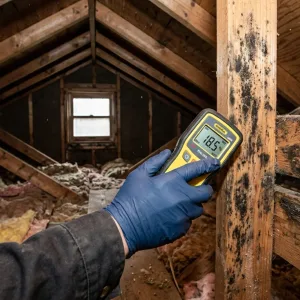
Your offer just got accepted on a home in the Chisenhall area. You’re thrilled—it’s the right neighborhood, the right school district, the right price. Then your agent sends over the contract and you notice the option period: 10 days. It’s the first week of June. You start calling inspectors and quickly discover that every highly-rated company in the area is booked out through next week. That sinking feeling? It’s completely avoidable—if you know what to do before you’re in that situation.
This guide exists to put you ahead of that curve. Whether you’re buying a new build in one of Burleson’s booming subdivisions or a 1970s ranch home near Old Town, the information here will help you find the right inspector, understand what you’re paying for, and use your inspection report to protect one of the biggest financial decisions of your life.
Key Takeaways
- Standard home inspections in Burleson cost $350–$600 depending on square footage; new construction phase packages run $900–$1,500.
- Burleson’s expansive clay soils make foundation inspections the single most critical component of any local inspection—repair costs average $5,100 and can exceed $15,000.
- All Texas home inspectors must hold an active TREC license and carry a minimum of $100,000 in Errors and Omissions insurance—verify both before you book.
- Peak inspection season runs March through August; secure your inspector the same day your offer is accepted to avoid missing your option period deadline.
- New construction buyers in Burleson should invest in three-phase inspections—pre-pour, pre-drywall, and final—to catch builder defects before they’re buried in concrete or drywall.
- Your inspection report is a negotiation tool. Use it to request seller credits or repairs for major defects—and be prepared to walk away if the seller won’t budge on deal-breakers.
- Top local providers include Journey Home Inspections, CA Home Inspections, Glow Home Inspections PLLC, 316 Home Inspections, and The Smart Inspector.
Why a Home Inspection Is Non-Negotiable in Burleson, TX
Some markets let buyers get away with skipping an inspection. Burleson, TX is not one of them. The combination of volatile North Texas clay soils, a mixed housing stock that spans six decades of construction, and a real estate market that still moves quickly in the most desirable price tiers creates a risk environment where a professional home inspection isn’t just a good idea—it’s the single most important thing you can do before signing closing documents.
Buyers who waive inspections to make their offers more competitive are essentially agreeing to absorb every hidden defect in the home the moment they take ownership. In a region where foundation repairs routinely run $5,100 to $15,000 or more, that’s a gamble with enormous financial consequences. A $400 inspection is the cheapest insurance policy you will ever buy on a $350,000 asset.
The North Texas Clay Soil Challenge
The soil beneath Burleson is the defining factor that separates home inspections here from inspections in other parts of the country. North Texas sits on highly expansive clay that behaves dramatically with moisture changes—swelling when wet, shrinking when dry, and exerting intense hydrostatic pressure on foundations throughout both cycles. This isn’t a rare edge case. It’s the baseline reality for nearly every home in Johnson County.
Both pier-and-beam and slab foundations are vulnerable. Slabs crack and settle as the soil shifts beneath them. Pier-and-beam foundations face wood rot, insect damage, and uneven settling as soil movement stresses the structural members. Foundation issues are the most common deal-breaker in local inspections and, by a wide margin, the most expensive to repair. If you’re buying in Burleson without a thorough foundation inspection, you’re flying blind on the most financially consequential component of the home.
Burleson’s Rapid Growth and Housing Stock Diversity
Burleson’s population is projected to surpass 56,000 by 2026—a 15.4% growth rate over the past five years that reflects the city’s emergence as one of the most desirable southern DFW suburbs. That growth has produced two very different categories of homes sitting side by side in the same market.
On one end, you have the sprawling new construction subdivisions that have been rising since 2000 and accelerating sharply post-2015. On the other, you have the historic core of Burleson—homes dating to the 1960s and 1970s with aging galvanized plumbing, outdated electrical panels, and roofs that have seen decades of North Texas hail. A skilled Burleson inspector needs to be equally fluent in both worlds: catching the subtle builder shortcuts in a brand-new home and identifying the aging system failures in a mid-century resale. That dual expertise is what separates a truly knowledgeable local inspector from someone who just passed the TREC exam.
Feeling Overwhelmed by the Inspection Process?
You’re not alone. Buying a home in Burleson is a massive financial decision, and the inspection process can feel confusing and high-stakes—especially with a ticking option period clock. This guide breaks down everything you need to know so you can move forward with confidence, not anxiety. Read through each section, take notes, and know that informed buyers consistently come out ahead.
Understanding Home Inspection Costs in Burleson (2025–2026)
One of the first questions every buyer asks is: what is this going to cost me? The answer in the Burleson and greater DFW market is straightforward once you understand the pricing structure. Standard whole-home inspections range from $350 to $600, with square footage being the primary driver. Texas inspection costs rose roughly 12% leading into 2025 due to inflation and rising insurance premiums, and those increases have held into 2026.
Beyond the base inspection, most Burleson buyers need at least one or two add-on services. Budgeting for those upfront prevents sticker shock when you’re already navigating the emotional and financial pressure of a real estate transaction.
Standard Inspection Pricing by Square Footage
Most Burleson inspectors price their services on a tiered square footage model:
- Under 1,500 sq ft: $300–$375
- 1,500–2,500 sq ft: $375–$450
- 2,500–4,000 sq ft: $450–$600
- Over 4,000 sq ft: $600+ (typically an additional $0.10–$0.15 per square foot beyond 4,000)
Older homes (pre-1980), properties with crawlspace foundations, multi-story structures, and homes with detached outbuildings or garages common in the more rural parts of Johnson County will typically command a premium above the base square footage rate. That’s not price gouging—it’s a reflection of the additional time and complexity those properties require.
Add-On Services and Hidden Costs
A standard TREC inspection covers the main structural, electrical, plumbing, and HVAC systems. But in Burleson, smart buyers routinely add services that address the region’s specific risks:
- Termite/WDI Inspection: $75–$125 — Essential in North Texas; wood-destroying insects are active year-round.
- Sewer Scope (Camera): $150–$250 — Critical for older homes; camera inspection of the main sewer line catches root intrusion and pipe collapse before you own the problem.
- Pool and Spa Inspection: $100–$150 — Many Burleson homes have pools; a pool and spa inspection evaluates equipment, structure, and safety systems.
- Sprinkler/Irrigation System Testing: $40–$75 — An irrigation system inspection verifies zone coverage, valve function, and backflow prevention.
- Pier-and-Beam Foundation Surcharge: $50–$100 — Due to the time and physical demands of crawlspace access.
- Structural Engineer Evaluation (if flagged): $350–$600 — Not always needed, but essential if the inspector identifies significant foundation movement.
- Re-Inspection After Repairs: $100–$150 — If the seller makes repairs, you’ll want verification before closing.
For buyers purchasing homes with wells or septic systems—more common in the rural stretches of Johnson County—budget additional costs for a well inspection or septic system inspection, both of which require specialized testing beyond the scope of a standard TREC inspection.
Why Skipping an Inspection Costs Far More
The math here is not subtle. According to 2024–2025 structural repair data from the DFW market, the average foundation repair costs $5,100—and that’s for a moderate repair. Major structural lifts can exceed $15,000. A new HVAC system runs $6,000–$10,000. A full roof replacement costs $8,000–$15,000 or more depending on size and materials.
A $400 inspection doesn’t just tell you what’s wrong—it gives you the leverage to negotiate those repair costs before you sign closing documents. Industry data suggests the average inspection uncovers $1,000–$2,500 in necessary repairs. Buyers who use those findings strategically routinely save far more than the cost of the inspection itself. The buyers who skip it? They absorb every dollar of those repairs the moment they take ownership.
New Construction Phase Inspections
For buyers purchasing new construction in Burleson’s rapidly expanding subdivisions, new construction phase inspections are bundled packages covering three critical stages of the build process. These bundles typically cost $900–$1,500 and provide protection at every phase where defects can be caught and corrected before they’re buried under concrete or drywall. A standalone 11-month builder warranty inspection—conducted before your one-year warranty expires—is priced similarly to a standard resale inspection.
⚠️ The Hidden Cost of Skipping an Inspection
Saving $400 on an inspection can cost you $5,000–$15,000+ in foundation repairs, HVAC replacement, or roof damage discovered after closing. In Burleson’s expansive clay soil environment, an inspection isn’t optional—it’s essential financial protection. The closing table is not the place to find out what’s wrong with your home.
TREC Licensing and Regulatory Requirements in Texas
Texas has one of the most rigorous home inspector licensing frameworks in the country, and that’s genuinely good news for buyers. Before you book anyone, understanding what TREC requires—and how to verify compliance—is the single most important due diligence step you can take.
Every person performing paid home inspections in Texas must hold an active license from the Texas Real Estate Commission (TREC) as a Professional Real Estate Inspector (PREI). This isn’t a certification you can buy online over a weekend. Achieving a PREI license requires 394 hours of core education, passing both state and national exams, and completing supervised field inspections under a licensed professional. When you hire a TREC-licensed inspector, you’re hiring someone who has demonstrated a legally mandated baseline of knowledge about Texas building codes, safety standards, and inspection methodology.
How to Verify an Inspector’s License and Insurance
Don’t take an inspector’s word for it—verify their credentials directly. Here’s how:
- Visit trec.texas.gov and click the “Licensee Search” tool at the top of the page.
- Enter the inspector’s name or their TREC license number.
- Review their license status, expiration date, and check the “Disciplinary Search” tab for any formal complaints or sanctions.
- Confirm that their Errors and Omissions (E&O) insurance is active and meets the TREC-mandated minimum of $100,000 per occurrence.
- Ask the inspector directly for a copy of their current E&O certificate—any reputable inspector will provide this without hesitation.
That E&O insurance requirement is not bureaucratic boilerplate. It exists specifically to protect you. If an inspector negligently misses a major structural defect that costs you $20,000 to repair after closing, E&O insurance is your financial avenue for recourse. Without it, you’re left with a civil lawsuit against an individual—a far more difficult and expensive path.
Recent TREC Updates (2024–2025)
TREC regularly updates its Standards of Practice to reflect evolving safety standards and consumer protection needs. Recent 2024–2025 regulatory activity included strict deadlines for mandatory E&O group policy renewals (with January 1, 2025 renewal deadlines), clarified reporting requirements for specific safety hazards, and standardized inspection report formats designed to make findings clearer and more actionable for buyers. These updates reinforce the value of working with inspectors who stay current with their continuing education requirements.
Consumer Recourse If an Inspector Misses a Defect
If an inspector misses a defect that was visible, accessible, and covered under TREC’s Standards of Practice, you have three meaningful avenues for recourse. First, file a formal complaint with TREC—the commission can impose fines, require remediation, or suspend the inspector’s license. Second, file a claim against the inspector’s E&O insurance policy for financial damages. Third, in cases of extreme negligence or misrepresentation, Texas buyers are protected under the Texas Deceptive Trade Practices Act (DTPA), which provides a legal framework for pursuing damages in civil court.
Journey Home Inspections is TREC-licensed, fully insured, and brings deep expertise in North Texas foundation and soil challenges to every inspection. If you’re buying in Burleson or the surrounding Johnson County area, they’re worth a conversation.
Top 5 Home Inspection Companies in Burleson, TX: Compared and Reviewed
According to industry surveys, most homebuyers vet only one or two inspectors—typically relying on their agent’s referral. But over 70% of millennial and Gen-Z buyers cross-reference those referrals with Google reviews and neighborhood platforms like Nextdoor, placing significant weight on digital reputation and the quality of sample reports. The five companies below represent the strongest options currently serving the Burleson market, based on local reputation, verified reviews, service depth, and pricing transparency.
1. Journey Home Inspections – Fort Worth, TX (Serves Burleson & Johnson County)
Journey Home Inspections has built a strong reputation in local DFW real estate circles for an approach that prioritizes education over speed. First-time buyers in particular appreciate the owner’s commitment to walking through complex structural and mechanical findings in plain English—not just handing over a report and leaving. Customers consistently highlight the thoroughness of the documentation and the inspector’s transparent, integrity-first communication style, with no notable patterns of missed defects in available reviews.
Notable Differentiator: Journey Home specializes heavily in new construction phase inspections and 11-month builder warranty inspections—a critical service in Burleson’s booming new-build market. Their focus on empowering buyers to hold builders accountable before warranties expire sets them apart from generalist inspectors who treat new construction as a quick walk-through. You can read more about their background and approach on their about page.
Address: Fort Worth, TX | Service Area: Burleson, Johnson County, and the greater DFW metroplex
2. CA Home Inspections – 4244 Redbird Lane East, Burleson, TX 76028
CA Home Inspections is a local Burleson staple with top marks on Angi and HomeAdvisor for punctuality, thoroughness, and affordability. Reviewers consistently note that the inspector provides a comprehensive verbal walkthrough on-site—not just a written report—explaining findings in real time so buyers understand what they’re looking at before they leave the property. Color-photo reports are delivered promptly after the inspection.
Notable Differentiator: CA Home Inspections is known for offering some of the most competitive pricing in Johnson County without sacrificing the depth required by TREC’s Standards of Practice. For budget-conscious buyers who don’t want to compromise on quality, they’re a strong option.
3. Glow Home Inspections PLLC – Burleson, TX 76028
Glow Home Inspections has earned a stellar local reputation for modern, tech-forward reporting and highly responsive scheduling—a critical attribute during short buyer option periods. Homebuyers praise their detailed defect summaries and clean, well-organized report layouts that make it easy to identify exactly what to request from sellers. The reports are designed to function as negotiation documents, not just technical summaries.
Notable Differentiator: Glow offers a fully transparent flat-rate pricing model published directly on their website: $350 for homes up to 2,700 square feet, plus $0.10 per additional square foot. In a market where getting a quote often requires a phone call, that level of pricing transparency is genuinely refreshing.
4. 316 Home Inspections – Burleson, TX Service Area
316 Home Inspections is frequently recommended by Burleson real estate agents for their deep, ground-level knowledge of Johnson County’s unique housing stock and soil challenges. Customers appreciate the meticulous nature of their inspections and the friendly, professional demeanor of the staff.
Notable Differentiator: 316 offers a robust suite of ancillary services in-house, meaning buyers don’t have to coordinate separate contractors for pest control or specialized systems testing. For buyers who want a one-stop shop for their full inspection package, this is a meaningful advantage.
5. The Smart Inspector – Burleson, TX Service Area
The Smart Inspector is a larger, multi-inspector firm that has become a neighborhood favorite on platforms like Nextdoor, largely due to their availability and ease of booking. Reviewers consistently praise the team for delivering highly detailed digital reports on the same day as the inspection—a meaningful advantage when you’re working against a tight option period deadline.
Notable Differentiator: The Smart Inspector includes complimentary thermal imaging (infrared technology) with every standard inspection. Thermal imaging detects hidden moisture intrusion, insulation gaps, and electrical hot spots that aren’t visible to the naked eye—defects that can cost thousands to repair if missed. Getting this technology included at no extra charge is a significant value add.
What to Expect During a Burleson Home Inspection
A lot of the anxiety around home inspections comes from not knowing what’s happening or why. When you understand the process—what the inspector is looking at, in what order, and how they’re evaluating what they find—the whole experience shifts from stressful to empowering. Here’s what a standard inspection looks like from start to finish.
All Texas inspections are governed by the TREC Standards of Practice, which define exactly what an inspector is required to evaluate. This standardization means you can compare reports across different inspectors and know that the same core systems are being examined regardless of who you hire.
The Three-Hour Timeline: What Happens When
A standard inspection of an average Burleson home (1,500–2,500 square feet) typically takes 2.5 to 4 hours. Here’s how that time is generally structured:
- First 30 minutes: Exterior inspection—roof, siding, grading, drainage, foundation visible cracks, driveway, and exterior penetrations.
- Next 60–90 minutes: Interior systems—electrical panel, plumbing fixtures and supply lines, HVAC equipment and ductwork, appliances, walls, ceilings, windows, and doors.
- Final 30–60 minutes: Attic (insulation, ventilation, framing, roof deck), crawlspace if applicable, and a final walkthrough with the buyer present to review major findings in person.
That final walkthrough is the most valuable 30–45 minutes of the entire process. You don’t need to shadow the inspector through the attic for three hours—but being present when they walk you through their findings, physically pointing out defects and explaining their severity, is worth far more than reading the same information in a written report later. Ask your inspector what time they expect to finish and plan to arrive then.
Critical Areas Inspectors Prioritize in Burleson
While every system gets evaluated, experienced Burleson inspectors know where the local risk concentrations are and spend proportionally more time on them:
- Foundation: The most critical evaluation in any Burleson inspection. Inspectors examine visible cracks, settlement patterns, grading, drainage, and any signs of differential movement caused by the expansive clay soils.
- Roof condition and age: North Texas hail storms are frequent and severe. Inspectors assess shingle condition, granule loss, flashing integrity, and estimate remaining useful life.
- HVAC system: With summers regularly exceeding 100°F, an aging or poorly maintained HVAC system is a major concern. Inspectors check age, efficiency, filter condition, and ductwork integrity.
- Electrical panel: Older homes may contain recalled Federal Pacific or Zinsco panels that are fire hazards. Inspectors identify panel type, condition, and any visible code violations.
- Plumbing materials: Galvanized steel pipes in homes built before 1980 corrode from the inside out, reducing water pressure and contaminating water quality. This is a significant red flag in Burleson’s older housing stock.
How Defects Are Rated and Reported
Every defect in a TREC inspection report is categorized by severity, which directly informs how you should prioritize your negotiation requests:
- Safety Hazard: Immediate danger to occupants—electrical hazards, structural failure risk, carbon monoxide issues. These are non-negotiable repair requests.
- Major Repair: Significant cost to address, affects home value or habitability ($1,000+). Foundation issues, roof damage, HVAC failure fall here.
- Minor Maintenance: Routine upkeep or cosmetic issues—caulking, paint, minor fixture repairs. These are generally not worth fighting over in negotiations.
Your written report, typically delivered within 24 hours, will include photographs, written descriptions, and severity ratings for every finding. A well-organized report from a good inspector is essentially a pre-built negotiation document. Learn how to read it as one.
Knowing what to expect makes the whole process less stressful. Journey Home Inspections provides detailed walkthroughs and same-day reporting so you’re never left guessing about your home’s condition. See the full range of inspection services available for Burleson buyers.
Common Inspection Findings in North Texas and Burleson
Every region has its recurring inspection themes, and North Texas is no different. Understanding what inspectors find most frequently in Burleson homes helps you know where to focus your attention during the inspection, which findings to prioritize in negotiations, and what’s genuinely alarming versus what’s routine maintenance. Inspectors who understand foundation issues in North Texas and the regional climate patterns bring a level of contextual judgment that out-of-area inspectors simply can’t match.
Foundation Problems: The Burleson Reality
Foundation settlement and drainage failures are the most common significant finding in Burleson inspections, and they’re the most consequential. The visual indicators are often subtle at first: diagonal cracks running from the corners of door frames or windows, doors that stick or won’t latch properly, exterior brick that has separated slightly from the foundation, or floors that have developed a perceptible slope. These aren’t cosmetic issues—they’re symptoms of soil movement that may be ongoing.
Pier-and-beam foundations carry additional risks in Burleson: wood rot and insect damage in the crawlspace are common, especially in homes that have had drainage problems over the years. Slab foundations crack and settle as the clay beneath them shifts seasonally. Repair costs range from $3,400 for minor stabilization work to $7,000 or more for significant pier installation—and major structural lifts can push well past $15,000. This is why foundation findings always warrant serious attention, not dismissal.
Roof Damage and Age in North Texas
North Texas hail storms are not rare weather events—they’re a seasonal reality. Burleson homes take hail hits that cause shingle damage, granule loss, bruising, and eventually leaks that can damage attic framing, insulation, and interior finishes. The problem is that hail damage isn’t always visible from the ground, and sellers don’t always know (or disclose) that their roof took a hit two seasons ago.
Roof age matters enormously. Most asphalt shingle roofs have a functional lifespan of 15–20 years. A 17-year-old roof on a Burleson home isn’t necessarily failing today, but it’s approaching the end of its useful life—and that’s a negotiating point. Older roofs with multiple layers of shingles are more prone to failure and more expensive to replace. Full roof replacement in this market runs $8,000–$15,000 or more depending on size and materials.
Electrical and Plumbing Red Flags
In Burleson’s older housing stock—particularly homes built between the 1960s and 1990s—two electrical panel brands represent genuine fire hazards: Federal Pacific and Zinsco. Both have documented histories of breaker failure and fire risk. If your inspector identifies either panel type, replacement is not optional—it’s a safety necessity. Knob-and-tube wiring, found in the oldest homes, is a similar concern: it’s a fire risk and virtually uninsurable in its original state.
On the plumbing side, galvanized steel pipes in pre-1980 homes corrode from the inside out over decades. The internal corrosion restricts water flow, reduces pressure, and can leach rust into the water supply. Repiping a home is a significant project—typically $4,000–$15,000 depending on size—but it’s a legitimate negotiation item when galvanized pipes are identified. Sewer scope inspections are particularly valuable in these older homes, where root intrusion and pipe deterioration in the main line are common.
What Does “As-Is” Really Mean in Texas Real Estate?
In Texas, homes are sold “As-Is,” meaning the seller has no legal obligation to fix anything identified in the inspection report. However, your inspection report is a powerful negotiation tool. You can request repairs or credits for major defects—the seller can refuse, but then you have the right to terminate the contract during your option period and recover your earnest money. “As-Is” doesn’t mean you’re powerless. It means you need to know what you’re buying before you commit.
How to Use Your Inspection Report to Negotiate with Sellers
The inspection report is not the end of the process—it’s the beginning of the negotiation phase. Buyers who understand how to use their inspection report findings strategically routinely recover thousands of dollars in repair costs before closing. Buyers who don’t know how to read or use the report often leave money on the table or, worse, close on a home with serious defects they didn’t fully understand.
What to Negotiate vs. What to Accept
Not every finding in an inspection report is worth fighting over. Prioritizing the right items—and letting go of the minor ones—makes you a more effective negotiator and keeps the transaction moving forward.
- Always negotiate: Foundation issues, roof damage, electrical hazards (Federal Pacific panels, faulty wiring), HVAC failure, active plumbing leaks, and any safety hazard identified in the report.
- Often negotiate: Outdated systems approaching end of life, deferred maintenance with significant cost implications ($500+), and cosmetic damage caused by deferred maintenance (water stains from a leaking roof, for example).
- Generally accept: Minor cosmetic issues, normal wear and tear, routine maintenance items (caulking, weatherstripping, minor paint touch-ups). These are expected in any lived-in home and rarely worth the friction.
Before submitting repair requests, get actual estimates from licensed contractors for the items you’re negotiating. Vague requests (“fix the foundation”) are easy for sellers to dismiss. Specific requests backed by contractor quotes (“provide a $4,500 credit for foundation pier installation per attached estimate”) are much harder to ignore.
Requesting Seller Credits vs. Seller Repairs
When you’ve identified items to negotiate, you have two primary options: ask the seller to make repairs before closing, or request a seller credit (a reduction in the sale price) and handle the repairs yourself after closing.
Seller credits are often the better choice. When the seller hires the contractor, you have no control over who they hire, what quality of work is done, or whether the repair actually addresses the root cause. When you take a credit and hire your own contractor, you control all of those variables. The tradeoff is that you need to verify the credit is sufficient to cover the actual repair cost—which is why those contractor estimates matter.
If the seller does make repairs, always schedule a re-inspection before closing to verify the work was completed correctly. That $100–$150 re-inspection fee is cheap compared to discovering after closing that the “repaired” HVAC system is still failing.
When to Use Your Option Period to Back Out
Texas buyers have a standard 7–10 day option period during which they can terminate the contract for any reason and recover their earnest money. This window exists precisely for situations where the inspection reveals deal-breaking problems—major foundation damage, significant structural failure, or a seller who refuses to negotiate on legitimate safety hazards.
Walking away is not failure. It’s the option period working exactly as it’s designed to. If an inspection reveals $30,000 in foundation and roof repairs and the seller won’t negotiate, terminating the contract and finding a better home is the financially rational decision. Your option period is your protection—use it if you need to.
New Construction Phase Inspections in Burleson
One of the most common misconceptions among new-build buyers in Burleson is that city code inspectors will catch everything. They won’t—and the consequences of that assumption can be expensive. Municipal inspectors are overworked, checking dozens of properties against minimum code compliance standards. Private new construction inspections go far deeper, evaluating workmanship quality, builder shortcuts, and system performance—not just code minimums.
In Burleson’s rapidly expanding new construction market, phase inspections have become standard practice for informed buyers. The three-phase approach—pre-pour, pre-drywall, and final—provides protection at every stage where defects can be caught and corrected before they’re permanently buried.
Pre-Pour Inspection: Foundation is Everything
The pre-pour inspection occurs before concrete is poured on the foundation—the single most critical intervention point in the entire build process. The inspector verifies proper grading and drainage, soil preparation, rebar placement, and soil compaction. Given Burleson’s expansive clay soils, errors at this stage are catastrophic: a foundation built on improperly compacted soil or with incorrect grading will begin showing settlement problems within years.
The economics here are stark. Correcting a rebar placement error or grading problem before concrete is poured costs hundreds of dollars. Correcting the same problem after the foundation is poured—if it’s even possible—costs tens of thousands. The pre-pour inspection is the cheapest, highest-leverage investment in the entire home-buying process.
Pre-Drywall Inspection: Catching Hidden Defects
The pre-drywall inspection occurs after framing and rough-in work is complete but before drywall closes the walls. This is the only window to visually inspect the electrical wiring, plumbing supply and drain lines, HVAC ductwork, and structural framing before they’re permanently hidden. Inspectors regularly find disconnected HVAC ducts, missing insulation, improperly secured plumbing, and framing errors that would be completely invisible once drywall is installed.
Builders are required to correct identified issues before drywall installation proceeds. This inspection gives you documented, photographic evidence of the condition of your home’s hidden systems—evidence that’s invaluable if problems surface later under warranty.
Final Inspection and 11-Month Warranty Inspection
The final inspection verifies that all work is complete, that pre-drywall issues were actually corrected, and that the finished home meets TREC inspection standards. This is the inspection most buyers think of when they hear “new construction inspection”—but without the pre-pour and pre-drywall phases, it’s an incomplete picture.
The 11-month warranty inspection is a separate, critically underutilized service. Most new homes come with a one-year builder warranty. Latent defects—problems that weren’t visible at move-in but develop over the first year of occupancy—need to be documented and submitted to the builder before that warranty expires. An 11-month inspection catches settling issues, HVAC performance problems, and workmanship defects that have emerged over the first year of the home’s life, giving you a formal, documented basis for warranty repair requests before the builder’s obligation ends.
Buying new construction in Burleson? Phase inspections are your best defense against builder defects that get buried before you move in. Journey Home Inspections specializes in pre-pour, pre-drywall, and final inspections—protecting your investment at every stage of the build.
Burleson Real Estate Market Context: Why Inspections Matter Now
Understanding the market you’re buying into shapes how you approach every step of the transaction—including the inspection. The Burleson real estate market in 2026 is competitive but more measured than the pandemic-era frenzy, giving buyers more time to conduct thorough due diligence. That’s good news—but it doesn’t mean you can be casual about scheduling.
Burleson’s population is projected to surpass 56,000 by 2026—a 15.4% growth rate over the past five years. The median home price fluctuates between $345,000 and $375,000, with an average price per square foot of $182. The homeownership rate sits at approximately 82%, well above the Texas state average, reflecting the city’s strong appeal to families and first-time buyers drawn by the highly rated Burleson Independent School District (BISD).
Burleson’s Rapid Growth and Buyer Demographics
The buyer demographic in Burleson skews heavily toward young professionals, first-time homebuyers, and growing families. The median household income of $94,162—significantly above the Texas state average—supports strong purchasing power in the $250,000–$450,000 price tier where competition remains most intense. BISD’s reputation as one of the stronger school districts in the southern DFW metroplex is a consistent driver of demand, particularly for families relocating from higher-cost areas of the metroplex.
This demographic profile matters for inspections because first-time buyers are statistically the most likely to feel pressured to waive contingencies to compete—and the least equipped to absorb the financial consequences if they close on a home with undisclosed defects. If you’re a first-time buyer in Burleson, the inspection is not the place to cut corners. It’s the place to invest in your own protection.
If you’re comparing markets nearby, it’s worth reviewing similar guides for Southlake home inspections or Weatherford home inspections to understand how inspection dynamics vary across the DFW region.
Seasonal Demand and Booking Timelines
Timing matters more than most buyers realize. Peak real estate season in Johnson County runs from March through August, and during those months, the top-rated inspectors in Burleson book out a week or more in advance. A buyer who waits two or three days after contract acceptance to start calling inspectors during peak season may find themselves scrambling—and scrambling during a 10-day option period is a bad place to be.
The rule is simple: the moment your offer is accepted, contact your inspector. Not the next morning. Not after you’ve celebrated. The same day. If you’re buying during the off-season (September through February), you’ll have more flexibility and faster scheduling—but the same urgency applies. Missing your option period deadline because you couldn’t get an inspection scheduled is a real and avoidable risk.
💡 Pro Tip: Schedule Your Inspection Early During Peak Season
From March through August, top Burleson inspectors book out 1+ week in advance. The moment your offer is accepted, contact your inspector to secure a date. Don’t wait until you’ve reviewed the contract, talked to your lender, or celebrated with family. Every hour of delay during peak season reduces your options. Have your inspector’s contact information ready before you make an offer.
Red Flags: When to Request a Structural Engineer Evaluation
A standard TREC inspection is comprehensive, but it has defined limits. Inspectors are trained to identify visual indicators of foundation failure—they are not structural engineers, and they don’t diagnose root causes or provide repair specifications. When an inspector flags significant foundation movement, the appropriate next step is a specialized evaluation from a licensed Structural Engineer, not a repair estimate from a foundation company with a financial interest in the diagnosis.
In Burleson’s clay soil environment, foundation inspection findings are the most common reason to escalate to a structural engineer. The cost—$350–$600—is modest compared to what’s at stake. A structural engineer’s report clarifies whether foundation movement is active or historical (a critical distinction), estimates the scope and cost of repairs, and provides written documentation that supports your negotiation position or repair planning.
Visual Red Flags That Warrant a Structural Engineer
Not every crack in drywall is a structural emergency, but certain patterns consistently indicate foundation movement that deserves professional evaluation:
- Diagonal cracks in drywall or brick, especially radiating from the corners of door frames or windows
- Doors or windows that stick, won’t latch, or have visible gaps in their frames
- Separation between exterior brick veneer and the foundation or adjacent surfaces
- Floors that slope or feel uneven (a level is a useful tool during your showing)
- Visible foundation cracks wider than 1/4 inch, or cracks that show evidence of water intrusion
One or two of these signs in isolation might be minor. Multiple signs appearing together—especially in a home on Burleson’s clay soil—are a pattern that warrants professional evaluation before you commit to purchasing.
What a Structural Engineer Does
A structural engineer brings specialized tools and expertise that go well beyond what a TREC inspector is equipped to provide. They perform a detailed foundation assessment, take elevation measurements across the slab or pier system, and determine whether movement is active (ongoing) or historical (stabilized). That distinction matters enormously: active movement requires immediate intervention; historical movement may have been stable for years and may not require any repair at all.
The structural engineer’s written report estimates the scope and cost of any necessary repairs and provides the documentation you need to negotiate with the seller or plan post-purchase repairs. Evaluations typically take 2–4 hours. The $350–$600 cost is money well spent when the alternative is closing on a home with an undiagnosed active foundation problem.
💡 Burleson’s Clay Soil: Why Foundation Inspections Are Critical
Burleson sits on highly expansive clay that swells when wet and shrinks when dry—sometimes dramatically within a single season. This causes foundation settlement and cracking that is the #1 reason inspections are essential in this market. If your inspector flags foundation concerns, don’t minimize them. Hire a structural engineer for a targeted evaluation before you make any decisions. The cost of that evaluation is trivial compared to the cost of the repairs you might be inheriting.
Frequently Asked Questions About Home Inspections in Burleson
These are the questions Burleson homebuyers ask most often—drawn from local Reddit threads, community Facebook groups, and the real conversations buyers have with their agents and inspectors. If you have a question that isn’t answered here, the Journey Home Inspections FAQ page covers additional topics in depth.
In almost all Texas real estate transactions, the buyer pays for the home inspection directly to the inspector on or before the inspection date. It is not rolled into your closing costs—it’s an upfront, out-of-pocket expense that you pay separately from your down payment and closing fees. That said, the inspection report you receive becomes your primary negotiation tool: buyers routinely use inspection findings to request seller credits or repairs that offset the inspection cost many times over.
Absolutely—and this is one of the most important misconceptions to correct. City code inspectors check for bare minimum code compliance, but they don’t evaluate workmanship quality, builder shortcuts, or system performance. Private inspectors routinely find serious defects in brand-new Burleson homes: disconnected HVAC ducts, missing roof flashing, structural framing errors, and improperly installed insulation are all documented findings in new construction inspections. Phase inspections (pre-pour, pre-drywall, and final) give you protection at every stage of the build process—before defects get buried under concrete or drywall.
Yes, and it is strongly recommended. You don’t need to follow the inspector into the attic or crawlspace for the full three-to-four hours—but plan to arrive during the last 30 to 45 minutes of the inspection. This is when the inspector will walk you through the property in person, physically point out major defects, and explain the severity and context of findings before you read the written report. Hearing the inspector explain why a finding matters—and what the repair implications are—is far more valuable than reading the same information cold in a PDF the next morning.
If an inspector misses a defect that was visible, accessible, and covered under TREC’s Standards of Practice, you have meaningful recourse. Start by contacting the inspector directly—many issues can be resolved through direct communication. If that fails, all TREC-licensed inspectors are required to carry Errors and Omissions (E&O) insurance; you can file a claim against their policy for financial damages. You can also file a formal disciplinary complaint with the Texas Real Estate Commission, which can impose fines or suspend the inspector’s license. In cases of extreme negligence or misrepresentation, Texas buyers are also protected under the Texas Deceptive Trade Practices Act (DTPA).
A thorough inspection of an average-sized single-family home (1,500–2,500 square feet) in Burleson typically takes between 2.5 and 4 hours. That timeframe increases significantly for older homes, properties with crawlspace foundations, homes with outbuildings or detached garages, and properties with swimming pools or spa equipment that require specialized testing. Plan your schedule accordingly—and remember that a faster inspection isn’t necessarily a better one. Thoroughness takes time.
Generally, no—not as a starting point. You begin with a standard TREC-licensed home inspector who is trained to identify visual indicators of foundation failure: diagonal wall cracks, sticky doors, exterior brick separation, sloping floors. If the inspector identifies significant evidence of structural movement, they will recommend escalating to a licensed Structural Engineer for a targeted, deeper evaluation. In Burleson’s clay soil environment, that recommendation is more common than in other markets—and it’s always worth following when an inspector raises the concern.
Schedule Your Burleson Home Inspection Today
Whether you’re buying new construction in the Chisenhall area, a resale home near Old Town Burleson, or anything in between—a professional home inspection is the most important investment you’ll make in the entire transaction. The stakes in North Texas are real: expansive clay soils, aging housing stock, and a market that moves fast all make thorough due diligence non-negotiable.
Journey Home Inspections brings TREC licensing, deep North Texas expertise, and a genuinely educational approach to every inspection—walking buyers through complex findings in plain English and providing the documentation they need to negotiate with confidence. You deserve to know exactly what you’re buying before you sign.
Ready to protect your home purchase? Reach out to schedule your inspection and go into closing with the clarity and confidence you deserve.