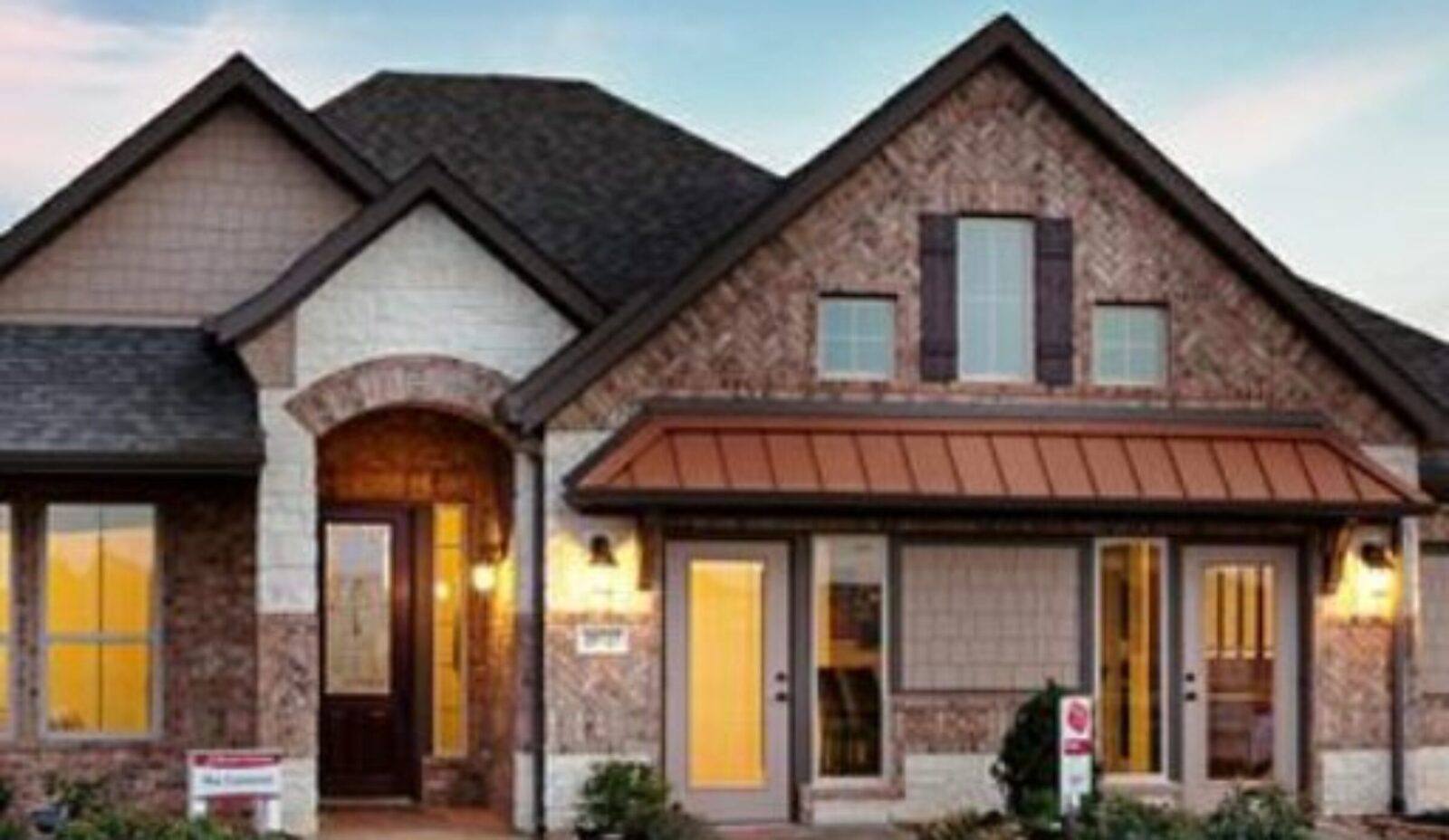
You’ve spent weeks touring homes in Grapevine, and you’ve finally found the one. The neighborhood feels right, the backyard is perfect, and you’ve already mentally placed your furniture in the living room. Your offer gets accepted, and now you’re standing at a crossroads that every buyer eventually reaches—choosing a home inspector. It feels like a formality. It isn’t. That two-to-three-hour walkthrough could uncover a $20,000 foundation issue hiding beneath those beautiful hardwood floors, or a roof that’s one hail storm away from a $15,000 replacement. Or it could give you exactly what you need: the confidence to close on your dream home knowing you understand every inch of what you’re buying. The inspector you choose makes all the difference between a confident purchase and a costly surprise.
This guide is built for Grapevine buyers who want clarity—not confusion—about the inspection process. We’ll cover real pricing, TREC licensing requirements, what to watch for in Grapevine’s specific housing stock, and an honest comparison of the top inspection companies serving the area. By the time you finish reading, you’ll know exactly what to look for, what to budget, and how to use your inspection to protect one of the biggest investments of your life.
Key Takeaways
- A standard home inspection in Grapevine costs $475–$625 for a 2,000–2,500 sq ft home; a complete package with key add-ons typically runs $825–$1,325.
- Grapevine’s expansive clay soils create unique foundation risks—foundation movement and hail-damaged roofs are among the most common inspection findings in the area.
- All Texas home inspectors must hold an active TREC license—always verify at www.trec.texas.gov before booking.
- According to NAR’s 2024 data, 83% of homebuyers now purchase inspections, reflecting a strong return to due diligence after the pandemic-era waiver trend.
- Inspection findings frequently lead to $10–$20 in negotiated savings for every $1 spent—making it one of the best investments in any home purchase.
- You should always attend your inspection in person—it’s an invaluable educational walkthrough of your future home.
- Five highly-rated companies serve Grapevine, each with distinct strengths—from personalized client education to luxury home specialization.
Why Home Inspections Matter in Grapevine’s Real Estate Market
Grapevine sits in one of the most dynamic real estate corridors in the country. With a median home sale price hovering around $470,400 (Redfin estimate, Q4 2024), buying a home here isn’t a casual financial decision—it’s likely the largest purchase you’ll ever make. At that price point, a professional home inspection isn’t a nice-to-have. It’s a non-negotiable layer of protection for your investment. Connecting with professional home inspection services across the DFW area is one of the smartest first moves any Grapevine buyer can make.
What makes Grapevine’s market particularly interesting—and particularly important for inspections—is the combination of higher home values and some very specific environmental risks. The DFW region sits on expansive clay soils that swell when wet and contract when dry, creating constant stress on slab-on-grade foundations. This isn’t a minor concern. It’s one of the most frequent and costly issues inspectors find in North Texas homes, and it’s something that requires an experienced, locally-knowledgeable inspector to evaluate accurately.
The broader market context matters too. During the 2021–2022 seller’s market frenzy, a significant number of DFW buyers waived inspection contingencies to make their offers more competitive. Many of those buyers discovered expensive surprises after closing—foundation issues, aging HVAC systems, failing plumbing—that a standard inspection would have flagged. The market has since normalized, and buyers have learned their lesson. According to the NAR 2024 Profile of Home Buyers and Sellers, 83% of buyers now purchase an inspection, reflecting a clear and healthy return to due diligence.
The financial math is compelling on its own: industry data from InterNACHI estimates that for every $1 spent on a home inspection, buyers often recoup $10–$20 in negotiated savings, repair credits, or avoided post-purchase repair costs. On a $470,000 home, that’s not a minor footnote—it’s a meaningful financial safeguard.
Understanding Grapevine’s Housing Stock and Inspection Challenges
Not all housing markets are created equal, and Grapevine’s unique mix of construction eras and environmental conditions creates a specific set of challenges that a qualified inspector must be equipped to handle. Understanding what your inspector is looking for—and why—helps you ask better questions and interpret your report with confidence.
A significant portion of Grapevine’s homes were built during the 1970s through 1990s, according to U.S. Census Bureau data for the broader Tarrant County area. That construction era matters enormously from an inspection standpoint. Homes of that age frequently have original HVAC systems, plumbing, and electrical components that are at or beyond their typical service life. An HVAC system installed in 1992 is over 30 years old—well past the 15–20 year average lifespan for most systems. A plumbing system from the 1980s may include polybutylene pipes, which are known to fail and were the subject of a major class-action lawsuit. These aren’t hypothetical risks; they’re regular findings in Grapevine inspections.
Foundations are perhaps the most critical inspection concern in this market. Nearly all Grapevine homes are built on slab-on-grade foundations, which sit directly on the region’s notorious expansive clay soil. When it rains, that clay absorbs moisture and expands. During dry spells—which are common in North Texas—it contracts. This repeated cycle of expansion and contraction puts stress on the slab, leading to movement, cracks, and in more severe cases, structural compromise. An experienced inspector knows exactly what to look for: brick veneer cracks, interior drywall cracks running diagonally from window and door corners, sticking doors, and uneven floors are all potential indicators of foundation movement.
Roofing is another area that demands close attention in Grapevine. Asphalt shingles dominate the local housing stock, and North Texas is one of the most active hail corridors in the country. Hail damage is one of the most frequently documented findings in DFW home inspections—and it’s not always visible from the ground. A thorough inspector will get on the roof (or use drone technology) to assess shingle condition, flashing integrity, and ventilation adequacy.
Grapevine also features diverse neighborhoods ranging from older, charming communities near its historic Main Street to newer developments on the city’s outskirts. Each era of construction brings its own quirks—mid-century homes may have knob-and-tube wiring remnants or galvanized steel plumbing, while homes from the 2000s might have EIFS (synthetic stucco) cladding that requires specific moisture assessment. A qualified inspector adapts their approach based on the age and construction style of the specific home they’re evaluating.
Home Inspection Costs in Grapevine, TX: What to Budget in 2026
One of the first questions every buyer asks is: “How much is this going to cost?” It’s a fair question, and you deserve a straight answer. Home inspection pricing in Grapevine is driven primarily by square footage, with home age, foundation type, and the number of systems playing supporting roles. Grapevine pricing tends to run slightly higher than the general DFW average, reflecting the area’s higher median home values and the complexity of inspecting older housing stock.
For context, the Texas state average for a standard home inspection runs $300–$800 (HomeAdvisor, 2025 data), while the national average falls between $300–$600. Grapevine buyers should expect to land in the mid-to-upper range of the Texas scale. Explore comprehensive inspection packages and services to understand exactly what’s included before you book.
Cost Breakdown by Home Size
| Home Size | Estimated Cost Range (Grapevine, 2026) |
|---|---|
| Under 1,500 sq ft | $375 – $500 |
| 1,500 – 2,500 sq ft | $475 – $625 |
| 2,500 – 3,500 sq ft | $575 – $775 |
| Over 3,500 sq ft | $725 – $1,000+ |
Source: Estimates based on current DFW market pricing from multiple local inspection companies and industry surveys (HomeAdvisor/Angi, 2024–2025 data).
Popular Add-On Services and Pricing
A standard inspection covers the home’s major systems and components, but several add-on services can provide critical information that a standard inspection simply can’t deliver. In Grapevine’s market, some of these add-ons aren’t optional—they’re essential. Here’s what to expect to pay:
| Add-On Service | Typical Cost Range | Why It Matters in Grapevine |
|---|---|---|
| Termite/WDI Inspection | $75 – $150 | Often required by lenders; essential for detecting wood-destroying insects |
| Sewer Scope Inspection | $200 – $400 | Critical for older homes with original cast iron or clay pipes |
| Pool/Spa Inspection | $75 – $150 | Common in Grapevine; pool repairs can exceed $10,000 |
| Thermal Imaging | $50 – $150 | Detects hidden moisture, insulation gaps, and electrical hot spots |
| Radon Testing | $150 – $250 | Optional but recommended for peace of mind |
| Sprinkler/Irrigation Inspection | $50 – $100 | Checks zones, heads, and valves for proper function |
For a typical 2,000–2,500 sq ft Grapevine home with a pool and older plumbing, a complete inspection package including a standard inspection, WDI, sewer scope, and pool inspection will typically run $825–$1,325. Many inspectors offer bundled pricing that saves you $50–$200 compared to ordering each service à la carte—always ask about package pricing before you book.
💡 Don’t Skip the Add-Ons—They Often Pay for Themselves
A sewer scope inspection ($200–$400) can reveal a $5,000–$15,000 pipe replacement need before you sign closing documents. A WDI inspection ($75–$150) is often required by lenders and catches termite damage that can compromise structural wood. Pool inspections ($75–$150) are essential in Grapevine, where pool equipment and structural repairs can easily exceed $10,000. Bundled packages give you comprehensive coverage at a lower per-service cost—ask your inspector what’s included before you book.
Ready to get a transparent quote for your Grapevine home inspection? Journey Home Inspections provides clear, upfront pricing and can walk you through every add-on service to help you decide what’s right for your specific home.
TREC Licensing and Regulatory Requirements for Texas Home Inspectors
Texas takes home inspection licensing seriously, and that’s a good thing for you as a buyer. The Texas Real Estate Commission (TREC) is the sole licensing and regulatory authority for home inspectors in the state, and every inspector you hire must hold an active TREC license. This isn’t a suggestion—it’s a legal requirement. Understanding what that license means, and how to verify it, is one of the most important steps you can take before booking an inspection.
TREC issues three levels of inspector licenses. An Apprentice Inspector can only perform inspections under direct supervision. A Real Estate Inspector requires more training and experience but must still work under the sponsorship of a Professional Inspector. A Professional Inspector is the highest level—they can inspect independently, supervise apprentices, and sponsor Real Estate Inspectors. When you hire an inspector, you want either a Professional Inspector or a Real Estate Inspector working directly under one. If you have questions about credentials or the process, the home inspection FAQ page is a helpful resource for understanding what to ask.
How to Verify an Inspector’s TREC License
Verifying a license takes less than two minutes and could save you from a significant headache. Here’s exactly how to do it:
- Visit the official TREC website at www.trec.texas.gov
- Click on “Search for a License Holder” or navigate through Online Services
- Enter the inspector’s full name or license number
- Confirm the license type is “Professional Inspector” or “Real Estate Inspector”
- Verify the status reads “Active” and check the expiration date
- Review the record for any disciplinary actions or alerts
What TREC Licensing Protects You From
TREC’s licensing framework isn’t just bureaucratic paperwork—it provides real consumer protections that matter when you’re spending hundreds of thousands of dollars on a home. Licensed inspectors must complete 180+ hours of TREC-approved training and pass a comprehensive state exam. They’re required to complete mandatory continuing education to stay current with evolving standards and technologies. They must carry a minimum of $100,000 in Errors & Omissions (E&O) insurance, which provides a financial recourse path if an inspection is found to be negligent.
Perhaps most importantly, TREC’s Standards of Practice (22 TAC Chapter 535) establish a minimum scope and quality baseline for every licensed inspection in Texas. This means your inspector is legally required to evaluate specific components and systems—not just the ones they feel like checking that day. If you believe an inspection violated these standards, you can file a formal complaint directly with TREC through their website, which can result in disciplinary actions including fines, suspension, or license revocation.
Top 5 Home Inspection Companies Serving Grapevine, TX: Compared and Reviewed
Grapevine is well-served by a competitive landscape of qualified inspection companies. The five companies below represent the most frequently recommended, highly-rated options based on Google reviews, Nextdoor recommendations, and verified market presence. Each has distinct strengths—understanding those differences helps you choose the right fit for your specific home and priorities. You can also read verified client feedback on the Journey Home Inspections reviews page to get a sense of the inspection experience firsthand.
Journey Home Inspections
Location: Fort Worth, TX (serves entire DFW including Grapevine)
Specialization: Journey Home Inspections is built around one core belief: that every buyer deserves to understand their home, not just receive a report about it. Their inspection experience is designed to be educational and empowering—inspectors walk you through findings in real time, explain what each issue means in plain language, and deliver detailed digital reports that make sense even if you’ve never owned a home before.
Review Highlights: Consistently earns 5-star reviews for thoroughness, clear and patient communication, and detailed digital reporting. Clients frequently note that they felt genuinely informed—not just handed a stack of findings—by the end of the process.
Notable Differentiator: The emphasis on client education sets Journey Home Inspections apart. You’re not just buying a report—you’re gaining a knowledgeable partner who helps you understand your home’s systems, what needs attention now, and what to monitor over time.
Best For: Buyers who want to walk away from their inspection feeling genuinely confident and informed—especially first-time buyers or anyone purchasing an older Grapevine home with complex systems.
US Inspections DFW
Location: 4100 Alpha Rd Ste 200, Dallas, TX 75244 (serves entire DFW Metroplex)
Specialization: Comprehensive inspection packages that bundle popular add-on services—WDI, thermal imaging, and others—into a single engagement at discounted rates.
Review Highlights: Clients frequently commend the highly detailed reports, professionalism of inspectors, and thorough coverage of all home systems. Responsive customer service is a consistent positive note in reviews.
Notable Differentiator: Bundled pricing packages that include multiple services at a meaningful discount compared to à la carte ordering—ideal for buyers who want a comprehensive picture without managing multiple vendors.
Best For: Buyers who want a complete inspection package with multiple services handled in one booking, particularly those purchasing homes where several add-ons are relevant.
Prospex Inspection Services
Location: 316 King Rd, Argyle, TX 76226 (serves Denton County including Grapevine, Southlake, Keller)
Specialization: Luxury and custom home inspections utilizing advanced technology including drone roof inspections and high-resolution thermal imaging. If you’re buying a higher-end Grapevine property, Prospex’s tool set is particularly well-matched. Buyers in the Southlake home inspection market will recognize this company as a frequent recommendation in that corridor as well.
Review Highlights: Praised for meticulous attention to detail, patient explanations during the inspection walkthrough, and the use of cutting-edge tools that catch issues other inspectors might miss.
Notable Differentiator: Drone roof inspections provide a level of roof assessment that ground-level or ladder-based evaluations simply can’t match—particularly valuable on complex rooflines common in luxury construction.
Best For: Buyers of luxury or custom homes who want the most technologically advanced inspection available and are willing to pay a premium for it.
DFW Home Inspection Team
Location: 2000 E Lamar Blvd #600, Arlington, TX 76006 (serves entire DFW Metroplex)
Specialization: Multi-inspector team approach that allows for greater scheduling flexibility and faster completion on larger homes. Their model is built for efficiency without sacrificing thoroughness.
Review Highlights: Consistently praised for responsive scheduling, efficient service delivery, and clear, well-organized inspection reports. Buyers in time-sensitive transactions frequently highlight their ability to accommodate quick turnarounds.
Notable Differentiator: The team-based approach means multiple inspectors can evaluate different systems simultaneously, reducing on-site time without cutting corners on coverage.
Best For: Buyers in competitive markets who need fast turnarounds or have tight scheduling windows during the inspection contingency period.
HomeTeam Inspection Service
Location: 3801 William D Tate Ave, Ste 100, Grapevine, TX 76051 (verified physical office in Grapevine)
Specialization: Team-based simultaneous system inspection—specialists evaluate different home systems concurrently, reducing total on-site inspection time while maintaining comprehensive coverage.
Review Highlights: Clients appreciate the faster on-site inspection completion and the standardized, professional reporting format. The local Grapevine office is a meaningful differentiator for buyers who prefer working with a company that has a genuine local presence.
Notable Differentiator: The only company on this list with a verified physical office in Grapevine itself, which can translate to faster response times and deep local market familiarity.
Best For: Buyers who value local presence and community connection, and those who want faster on-site inspection completion without sacrificing thoroughness.
⚠️ Red Flags When Choosing a Home Inspector
Before you book, know what to watch for. These are warning signs that an inspector may not deliver the thorough evaluation your investment deserves:
- Unverified or inactive TREC license — always check at www.trec.texas.gov before booking
- Inspection completed in under 1.5 hours for an average-sized home — thoroughness takes time
- Inspector discourages your attendance — a good inspector welcomes your presence and questions
- Vague reports without photos or specific findings — your report should be detailed and actionable
- Pressure to hire their recommended contractor — this is a conflict of interest and a TREC violation
Looking for a Grapevine-area inspector who combines genuine thoroughness with clear, buyer-focused communication? Journey Home Inspections specializes in helping buyers understand their homes inside and out—not just handing them a report.
What to Expect During Your Grapevine Home Inspection
If you’ve never been through a home inspection before, the process can feel a little mysterious. What exactly is the inspector doing for three hours? What should you be doing during that time? What happens after? Demystifying the process helps you get more out of it—and helps you catch anything that might be getting glossed over.
For a standard 2,000–2,500 sq ft Grapevine home, plan for 2–3 hours on-site. Larger homes, older homes, or inspections with multiple add-on services (sewer scope, pool inspection, etc.) can extend that to 4+ hours. If an inspector tells you they can complete a thorough inspection of a 2,500 sq ft home in 90 minutes, that’s a red flag—not a selling point. Every TREC-licensed inspector follows the Standards of Practice, which define a comprehensive scope of evaluation that simply takes time to do properly.
The Inspection Timeline: What Happens When
Understanding the flow of a typical inspection helps you know where to focus your attention and when to ask questions:
- Pre-inspection (before arrival): The inspector reviews property details, prepares their checklist, and gathers specialized tools and equipment.
- Exterior inspection (30–45 minutes): Roof condition, siding, foundation perimeter, grading and drainage, windows, doors, garage, and any outbuildings.
- Interior inspection (45–60 minutes): All rooms, walls, ceilings, floors, doors, windows, stairs, and visible structural components.
- Systems inspection (30–45 minutes): HVAC equipment and ductwork, plumbing supply and drain systems, electrical panel and wiring, water heater, and built-in appliances.
- Post-inspection discussion: Many inspectors will share preliminary findings before leaving. The detailed written report—complete with photos and recommendations—typically follows within 24–48 hours.
How to Prepare for Your Grapevine Home Inspection
A little preparation on your end makes the inspection go more smoothly and ensures the inspector can access everything they need to evaluate:
- Ensure all areas are accessible—unlock gates, clear attic access hatches, and make sure crawl space or basement entry points are unobstructed.
- Confirm utilities are on (water, gas, electricity) so the inspector can test all systems in operating condition.
- Gather any available documentation—warranties, repair receipts, previous inspection reports—and have them ready to share.
- Plan to attend and bring a notepad. Write down questions as they occur to you during the walkthrough.
- Arrange for the seller (if still occupying) to be absent or in a separate area so the inspector can work without distraction or pressure.
One of the most valuable things you can do is simply show up and pay attention. The inspection walkthrough is a crash course in your future home’s systems, quirks, and maintenance needs. An inspector who welcomes your questions and takes time to explain what they’re finding is worth their weight in gold. If you’re comparing inspection options in nearby markets, the Keller, TX home inspection guide offers useful context on what to expect in the broader NW DFW corridor.
Most Common Defects Found in Grapevine Homes
Knowing what inspectors typically find in Grapevine homes helps you go into your inspection with realistic expectations—and helps you ask the right questions when your inspector is on-site. None of these findings should cause panic; most are manageable, and many are negotiable. But knowing they’re common means you won’t be caught off guard. A thorough home inspection from a qualified professional is the most reliable way to surface these issues before they become your financial responsibility.
Here are the most frequently documented findings in DFW and Grapevine homes, based on aggregated inspector experience and industry reports from ASHI and InterNACHI:
- Foundation movement and cracking — By far the most common and consequential finding in Grapevine. Look for diagonal cracks at door and window corners, brick veneer cracks, sticking doors, and uneven floors. Not every crack is a structural emergency, but all require professional evaluation.
- Roofing issues — Hail damage, worn or missing shingles, improper flashing around chimneys and valleys, and inadequate attic ventilation. North Texas’s severe weather makes roofing one of the most critical inspection areas.
- HVAC systems at or near end-of-life — Units over 15–20 years old, improper installation, refrigerant leaks, clogged condensate drain lines, and ductwork issues. HVAC replacement runs $5,000–$15,000 depending on system size and complexity. Understanding how to maintain your HVAC system can help you extend its lifespan—the HVAC maintenance guide is a useful resource for new homeowners.
- Plumbing problems — Leaking fixtures, corroded galvanized steel pipes, polybutylene pipe failures (common in 1980s–1990s homes), slow drains, and water heater issues. Polybutylene piping in particular is a significant finding—it’s known to fail without warning and is expensive to replace throughout a home.
- Electrical issues — Ungrounded outlets, overloaded panels, double-tapped breakers, outdated wiring (aluminum branch circuit wiring in some 1960s–1970s homes), and exposed wiring in attics or crawl spaces.
- Moisture intrusion — Water stains, active leaks, or conditions conducive to mold growth around windows, doors, plumbing penetrations, and in attic spaces. Moisture issues can escalate quickly if left unaddressed.
- Grading and drainage problems — Soil sloping toward the foundation rather than away from it, which channels water directly to the slab. This is both a foundation risk and a moisture intrusion risk—and it’s a very common finding in Grapevine.
“For every $1 spent on a home inspection, buyers often save $10–$20 in repair costs through negotiated concessions, credits, or avoided post-purchase surprises.” — InterNACHI industry estimates
🔍 Foundation Issues in Grapevine—What You Need to Know
DFW’s expansive clay soil is the defining geological challenge for Grapevine homeowners. When rain saturates the soil, it swells. During dry spells—which are frequent in North Texas—it contracts. This constant cycle puts stress on slab foundations, causing movement that manifests as cracks in brick veneer, diagonal drywall cracks at door and window corners, and uneven floors.
Here’s the important nuance: not every crack is a structural emergency. Minor hairline cracks are extremely common and often represent normal settling. Significant cracks, patterns of movement, or cracks with vertical displacement may warrant a licensed structural engineer evaluation ($400–$800+) for a detailed assessment and repair recommendations.
Your home inspector will document foundation observations and flag anything that warrants further evaluation. Proper grading and drainage away from the foundation—and consistent moisture management around the perimeter—are the most effective long-term strategies for minimizing foundation movement in Grapevine’s clay soil environment. If you’re buying a pier and beam home, the pier and beam foundation inspection service provides specialized evaluation for that foundation type.
How to Use Your Inspection Report to Negotiate and Protect Your Investment
Receiving your inspection report is not the end of the process—it’s the beginning of a critical decision-making phase. A detailed report from a thorough inspector is one of the most powerful negotiating tools you’ll have in your home purchase. But only if you know how to use it. Here’s how to approach the post-inspection phase with confidence and clarity.
Step 1: Read the report carefully and ask questions. Most digital reports are organized by system and include photos, descriptions, and recommendations. Read it in full within 24–48 hours of receiving it. If anything is unclear—a technical term, the severity of a finding, or what a recommended action actually involves—call your inspector and ask. A good inspector will take the time to explain.
Step 2: Prioritize findings into three categories. Not everything in an inspection report carries equal weight. Organize findings into:
- Major issues — Safety concerns, structural problems, or systems failures (foundation movement, roof replacement, HVAC failure, electrical hazards). These warrant immediate attention and are your strongest negotiating points.
- Moderate issues — Repairs needed in the near term that aren’t immediate safety risks (plumbing leaks, aging water heater, failing weatherstripping). These are worth addressing in negotiations.
- Minor issues and maintenance items — Normal wear and tear, deferred maintenance, cosmetic issues. These are typically not worth negotiating over but are useful for your own maintenance planning after closing.
Step 3: Work with your real estate agent to build a negotiation strategy. Your agent has seen dozens or hundreds of inspection negotiations and knows what sellers in the current Grapevine market are likely to agree to. Options include requesting the seller make specific repairs before closing, asking for a credit toward closing costs (which gives you flexibility to hire your own contractors), or requesting a price reduction that reflects the cost of needed repairs.
Step 4: Get contractor quotes for major findings. For significant issues like foundation repairs, roof replacement, or HVAC replacement, obtain 2–3 contractor quotes before presenting your negotiation request. Specific numbers strengthen your position considerably more than a general “the inspector found foundation issues.” Buyers who approach negotiations with documented repair estimates consistently achieve better outcomes.
Step 5: Know your options if findings are severe. If the inspection reveals problems that fundamentally change your assessment of the home’s value or condition, you’re not obligated to proceed. Most Texas purchase contracts include an option period that allows you to terminate for any reason. Your real estate agent can walk you through the specific terms of your contract. For buyers comparing options across the Metroplex, the Weatherford, TX home inspection guide offers additional context on navigating the inspection-to-negotiation process in DFW markets.
Remember the ROI math: inspection findings frequently lead to $10–$20 in negotiated savings for every $1 spent on the inspection (InterNACHI estimates). On a $475 inspection, that’s potentially $4,750–$9,500 in savings—or significantly more if major issues are uncovered. The inspection isn’t a cost. It’s an investment with a measurable return.
Your inspection report is only as valuable as your understanding of it. Journey Home Inspections provides detailed explanations and real-time guidance so you can make confident, informed decisions based on your findings—not just a stack of technical observations.
🏗️ Buying New Construction in Grapevine? You Still Need an Inspection
It’s a common misconception that brand-new homes don’t need inspections. They absolutely do. Subcontractor errors, rushed construction timelines, and code violations are all documented findings in new Grapevine construction. A new construction phase inspection can identify issues the builder should rectify before your final walkthrough and closing—saving you thousands in repairs that would otherwise become your responsibility the moment you take ownership.
Frequently Asked Questions About Home Inspections in Grapevine, TX
These are the questions Grapevine buyers ask most often—answered honestly and in plain language. If you have a question that isn’t covered here, the full home inspection FAQ page covers additional topics in depth.
Yes—absolutely, without exception. Attending your inspection is one of the most valuable things you can do as a buyer. Walking through the home with your inspector allows you to ask real-time questions, see issues firsthand rather than just reading about them in a report, and gain a genuine understanding of the home’s systems and any concerns the inspector identifies. Think of it as a two-to-three-hour education in your future home—an opportunity that doesn’t come around again. Buyers who attend their inspections consistently report feeling far more confident going into closing than those who simply receive a report after the fact.
Finding major issues doesn’t necessarily mean the deal falls apart—it means you have information and options. Depending on your purchase contract, you can negotiate with the seller to make specific repairs before closing, request a credit toward your closing costs (giving you flexibility to hire your own contractors), ask for a price reduction that reflects the cost of needed work, or—if the problems are severe enough and your contract’s option period allows—terminate the purchase agreement entirely. Your real estate agent will guide you through which approach makes the most sense given the specific findings, the current market conditions, and the seller’s likely response. Major findings are leverage, not dead ends.
A standard TREC-licensed home inspection includes a thorough visual assessment for visible mold and conditions that are conducive to mold growth—things like moisture stains, active leaks, inadequate ventilation, and signs of water intrusion around windows, plumbing, or in attic spaces. What it doesn’t include is invasive mold testing or laboratory analysis to identify specific mold species. If your inspector observes visible mold or conditions that strongly suggest hidden mold growth, they’ll recommend hiring a licensed mold assessor for professional air and surface sampling, followed by remediation recommendations if testing confirms a problem. The visual inspection is the first filter; professional mold testing is the deeper dive when warranted.
For a typical 2,000–2,500 sq ft Grapevine home, plan for 2–3 hours on-site for a thorough inspection. Larger homes (3,500+ sq ft), older homes with more complex systems, or inspections that include multiple add-on services (sewer scope, pool inspection, thermal imaging) can extend that timeline to 4+ hours. Here’s the key thing to remember: if an inspector tells you they can thoroughly evaluate a 2,500 sq ft home in 90 minutes or less, that’s a red flag. Thoroughness requires adequate time, and rushing an inspection to fit more appointments into a day is a sign of prioritizing volume over quality.
Yes—emphatically yes. The “it’s brand new, so it must be fine” assumption has cost many DFW buyers thousands of dollars in post-closing repairs. New construction homes are built by multiple subcontractors working under tight timelines, and errors happen. Code violations, improper installations, incomplete work, and material defects are all documented findings in new Grapevine construction. A professional inspection—ideally a phase inspection during construction and a final pre-closing inspection—gives you the opportunity to have the builder correct deficiencies before you take ownership. Once you close, those repairs become your financial responsibility.
These two evaluations serve completely different purposes and are often confused by first-time buyers. A home inspection is conducted for your benefit as the buyer—it’s a comprehensive physical evaluation of the home’s condition, identifying defects, systems issues, and maintenance concerns so you can make an informed purchase decision. An appraisal is conducted for your lender’s benefit—it’s a market value assessment that ensures the loan amount is justified by the property’s fair market value. Both are typically required in a financed purchase, but they answer different questions: the inspection tells you what condition the home is in, and the appraisal tells you what it’s worth. You need both, and neither substitutes for the other.
Schedule Your Grapevine Home Inspection—Protect Your Investment with Confidence
Buying a home in Grapevine is one of the most significant decisions you’ll ever make. You deserve to walk into closing knowing exactly what you’re buying—not hoping for the best and discovering problems after the fact.
Whether this is your first home or your fifth, a professional inspection is the foundation of a smart, confident real estate decision. Journey Home Inspections is ready to provide the thorough, detailed evaluation your Grapevine home deserves—with clear communication, detailed reporting, and a genuine commitment to helping you understand every finding.
You’ve worked hard to get here. Let’s make sure your investment is protected.
Book Your Grapevine Home Inspection
Serving Grapevine, Fort Worth, Southlake, Keller, Weatherford, Argyle, Trophy Club, and the greater DFW area.