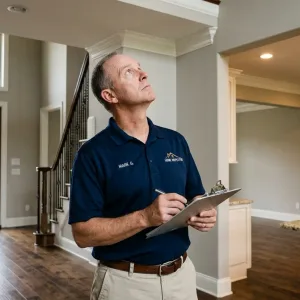
A Colleyville buyer was three days from closing on a $750,000 home when their inspector flagged a pattern of diagonal cracks running from the corners of interior door frames—a telltale sign of differential foundation settlement. The structural engineer they called in confirmed it: significant foundation movement driven by the expansive clay soil beneath the slab. Repair estimate? $38,000. Because they had a thorough inspector who knew exactly what to look for in Tarrant County soil conditions, they had options—negotiate a price reduction, request a seller credit, or walk away entirely. They negotiated a $35,000 credit and closed with confidence. Without that inspection, they’d have discovered the problem after the keys were in their hand and the seller was long gone.
That’s the real stakes of a home inspection in Colleyville. This isn’t a formality or a checkbox on your closing checklist. It’s the single most important step between making an offer and making a sound investment. Whether you’re buying your first home or your fifth, understanding how to choose the right inspector, what the process costs, and what to expect from your report is the difference between buyer confidence and buyer’s remorse.
This guide covers everything Colleyville homebuyers need to know in 2026: top-rated inspection companies, transparent pricing, Texas licensing requirements, what inspectors actually look for in this specific market, and how to use your report to negotiate like a pro.
Key Takeaways
- Colleyville home inspections typically cost $450–$900+ depending on home size, age, and complexity—luxury homes often exceed $800.
- All Texas home inspectors must hold an active TREC license; verify credentials at trec.texas.gov before booking.
- Clay soil foundation issues are the most common defect found in Tarrant County homes—your inspector must know what to look for.
- Add-on services like sewer scopes, radon testing, and WDI inspections are highly recommended for Colleyville’s older housing stock.
- Attending your inspection in person gives you real-time insight and negotiation leverage that a report alone can’t provide.
- A thorough inspection can save buyers $10,000–$100,000+ through negotiation or avoided post-closing repairs.
- Industry data suggests 70–85% of inspections uncover at least one significant defect—being prepared matters.
Why Home Inspections Matter in Colleyville’s Luxury Market
Colleyville isn’t a typical DFW suburb. It’s one of the most affluent communities in North Texas, with a housing stock that skews large, custom-built, and expensive. That combination—high price points, complex home systems, and aging construction on challenging soil—makes choosing the right inspector more consequential here than in almost any other market in the region. When you’re looking for professional home inspection services in the DFW area, understanding why Colleyville demands a higher level of expertise is the starting point.
The DFW market remains competitive in 2026. Homes in desirable neighborhoods move quickly, and buyers sometimes feel pressure to waive contingencies or rush the inspection process. That’s a costly mistake. Industry analysis consistently shows that 70–85% of home inspections uncover at least one significant defect. In a market where the median home price sits well above DFW averages, the financial exposure from a missed defect is proportionally higher.
The Colleyville Housing Market Context
Colleyville’s housing stock is predominantly composed of homes built between the 1980s and early 2000s—meaning most properties are now 20 to 40 years old. That age range is significant. It means original HVAC systems that are approaching or past their expected lifespan, roofing materials that may be due for replacement, and decades of seasonal soil movement working on foundations.
The soil is the defining factor. Tarrant County sits on some of the most expansive clay soil in Texas. This clay swells dramatically when wet and contracts sharply during dry periods—a cycle that exerts enormous stress on concrete slab foundations year after year. It’s not a matter of whether a foundation will experience movement in this area; it’s a matter of how much, and whether that movement has crossed the line from normal settlement into structural concern. An inspector who doesn’t understand this geology isn’t adequately equipped to evaluate a Colleyville home.
What Makes Colleyville Inspections Different
Square footage alone changes the equation. Many Colleyville homes fall in the 3,000–5,000+ square foot range, which means inspections take longer—often 3 to 4 hours or more—and require an inspector who can sustain attention to detail across a large, complex property. A home with three HVAC zones, a pool, a detached guest house, and a finished basement presents a fundamentally different inspection challenge than a 1,800 square foot suburban home.
High-end finishes also require a discerning eye. Custom tile work, elaborate plumbing configurations, smart home systems, and premium roofing materials all need inspectors who can evaluate them accurately—not just flag them as unfamiliar. Buyer expectations in this market are correspondingly higher. A vague, two-page report with generic observations won’t cut it when you’re making a $700,000+ purchase decision. You need detailed, photo-documented findings with clear explanations of severity and recommended next steps. If you’re also purchasing new construction in the area, new construction phase inspections offer an additional layer of protection that many buyers overlook.
Understanding Home Inspection Costs in Colleyville, TX
One of the first questions buyers ask is: how much will this cost? The honest answer is that it depends—but not in a vague, unhelpful way. There are clear pricing tiers based on home size, age, and the services you add on. What you receive in return—a detailed home inspection report with photos, findings, and expert analysis—is one of the most valuable documents you’ll receive in the entire homebuying process.
Colleyville inspection pricing runs slightly above Texas state averages, which is consistent with the area’s higher home values, larger square footage, and the greater complexity of luxury home systems. Don’t let the higher price tag push you toward the cheapest option available—this is exactly the wrong place to cut corners.
Base Inspection Pricing by Home Size
- Under 1,500 sq ft: $400–$550
- 1,500–2,500 sq ft: $500–$700
- 2,500–4,000 sq ft: $650–$850
- 4,000+ sq ft (luxury homes): $800–$1,200+
Most Colleyville buyers purchasing in the $500,000–$900,000 range should budget $650–$900 for the base inspection alone, before any add-on services. Think of it this way: that cost represents less than 0.15% of your purchase price, but the findings can influence tens of thousands of dollars in negotiation outcomes.
Common Add-On Services and Costs
The base inspection is your foundation—but for older Colleyville homes, several add-on services are strongly recommended rather than optional extras:
- Radon testing: $150–$250. Radon is a naturally occurring radioactive gas that can accumulate in homes; testing is important in North Texas and is often required by lenders on certain loan types.
- Sewer scope inspection: $200–$350. A camera inspection of the main sewer line. Highly recommended for any Colleyville home built before 1990—tree root intrusion and aging clay pipes are common culprits.
- Termite/WDI inspection: $100–$200. Wood-destroying insect inspection is often required by lenders and is a smart precaution in the Texas climate.
- Mold testing: $300–$600. Recommended if the inspector notes moisture intrusion, musty odors, or visible staining during the standard inspection.
- Thermal imaging (infrared): Often included by quality inspectors or available as a $50–$150 add-on. Identifies hidden moisture, insulation gaps, and electrical hot spots not visible to the naked eye.
- Pool and spa inspection: Many Colleyville homes include pools; a dedicated pool and spa inspection evaluates equipment, plumbing, and structural integrity separately from the main home inspection.
For a typical 3,000 square foot Colleyville home with a sewer scope, WDI inspection, and radon test added, a realistic total budget is $1,000–$1,400. That’s still less than a single month’s mortgage payment on most homes in this market—and it’s buying you documented, expert knowledge about every major system in the house.
What Drives Inspection Costs Higher
Several factors push inspection costs toward the higher end of the range:
- Home age: Older homes require more time and more careful assessment of aging systems and materials.
- Square footage: More square footage means more time on site—inspectors typically charge by size for this reason.
- Number of systems: Multiple HVAC units, a pool, a detached garage or guest house, or a sprinkler system all add scope. If you have an irrigation system on the property, a separate irrigation system inspection is worth considering.
- Foundation type: Pier-and-beam foundations require more detailed assessment than slab-on-grade. If you’re evaluating a pier-and-beam home, a dedicated pier and beam foundation inspection provides the specialized analysis this structure demands.
- Accessibility challenges: Difficult attic access, tight crawl spaces, or complex roof configurations add time and effort.
TREC Licensing and Inspector Qualifications in Texas
Texas has one of the most structured home inspector licensing systems in the country, administered by the Texas Real Estate Commission (TREC). Every home inspector operating legally in Texas must hold an active TREC license—and verifying that license before you book is non-negotiable. The TREC Standards of Practice define exactly what inspectors are legally required to evaluate and report on, giving buyers a baseline guarantee of what they’re receiving.
TREC also requires inspectors to carry a minimum of $1 million in errors and omissions (E&O) insurance per occurrence—a critical protection for buyers if a significant defect is missed. Any inspector unwilling to confirm their E&O coverage is a serious liability risk.
TREC License Types Explained
There are two TREC license types for home inspectors, and the distinction matters:
- Professional Real Estate Inspector (PREI): The higher credential. Requires 400 hours of qualifying education, a minimum of three years of field experience, and passing both the national and state licensing exams. This is the license level you should prioritize when evaluating inspectors.
- Real Estate Inspector (REI): Requires 320 hours of education and completion of an apprenticeship under a PREI. REIs are qualified inspectors, but they operate under the supervision of a PREI and have less independent experience.
For a Colleyville luxury home with complex systems and significant financial stakes, a PREI-licensed inspector is the appropriate choice. The additional experience and education requirements at the PREI level translate directly into more reliable, comprehensive inspections.
How to Verify an Inspector’s License
Verifying an inspector’s license takes less than two minutes and should be done before you book:
- Visit trec.texas.gov and click “Verify a License”
- Select “Real Estate Inspector” from the license type menu
- Search by the inspector’s name or license number
- Review the license status (active or inactive), issue and expiration dates, and any disciplinary history
Red flags to watch for: expired licenses, recent complaints or sanctions, or a license status showing “inactive” or “suspended.” Any of these should prompt you to look elsewhere immediately.
Beyond TREC: Professional Certifications That Signal Quality
While TREC licensing is the legal minimum, voluntary professional memberships indicate a higher level of commitment to the craft:
- ASHI (American Society of Home Inspectors): One of the oldest and most respected professional organizations in the industry. ASHI members commit to a code of ethics and standards of practice that exceed minimum state requirements.
- InterNACHI (International Association of Certified Home Inspectors): A widely recognized certification body with rigorous continuing education requirements. InterNACHI membership signals ongoing professional development.
These memberships are voluntary, which is exactly what makes them meaningful. An inspector who pursues them is demonstrating a commitment to quality that goes beyond what the state requires.
⚠️ Don’t Fall for These Common Inspector Red Flags
Avoid inspectors with expired TREC licenses, those who won’t let you attend the inspection, or those offering suspiciously low prices. Quality inspections take time and expertise—if the price seems too good to be true, it probably is.
- Expired or inactive TREC license = automatic disqualification
- Inspector who discourages your attendance = potential quality concern
- Prices significantly below market range (e.g., $300 for a 3,000 sq ft home) = likely inadequate inspection
- No E&O insurance or unwillingness to discuss it = major liability risk for you
- Vague, template-style reporting with no photos = sign of inexperience or lack of thoroughness
Now that you know what to look for in a qualified inspector, see exactly what a thorough, TREC-compliant inspection covers from start to finish—so you know what to expect on inspection day.
Top Home Inspection Companies Serving Colleyville, TX: Compared and Reviewed
Finding the right inspector for your Colleyville home means looking beyond the first result in a Google search. The best inspectors in this market combine TREC credentials, local market knowledge, and a communication style that helps buyers actually understand what they’re looking at. Whether you’re after a comprehensive home inspection in Colleyville or a specialized evaluation of a complex luxury property, these are the companies consistently serving this market with strong reputations.
Journey Home Inspections
Location: Fort Worth, TX — serving Colleyville and surrounding DFW communities
License: TREC-licensed Professional Real Estate Inspector (PREI)
Ideal for: Buyers who want an inspector who takes time to educate, explain, and answer every question
Journey Home Inspections has built a strong reputation in the DFW luxury market by doing something that sounds simple but is rarer than it should be: treating every inspection as an educational experience for the buyer. Their inspectors don’t just hand you a report and leave—they walk you through findings in plain language, explain what’s urgent versus what’s a long-term maintenance consideration, and make sure you leave the inspection with a genuine understanding of the home’s condition.
Their reports are comprehensive, photo-documented, and written in language that doesn’t require a construction background to understand. For Colleyville buyers navigating a high-stakes purchase, that clarity is invaluable. You can read more about their approach and philosophy on the Journey Home Inspections about page, and browse client feedback on their reviews page.
True North Home Inspections
Location: Serving Colleyville, Southlake, and greater Tarrant County
License: TREC-licensed PREI with ASHI membership
Ideal for: Buyers concerned about foundation issues or those who want visual documentation of findings
True North has earned strong recognition among local real estate agents for reliability and consistency—two qualities that matter enormously in a competitive market where inspection timelines are tight. Their inspectors are particularly well-versed in the clay soil foundation issues that define Tarrant County’s housing challenges, and their use of advanced reporting software that incorporates photos and video walkthroughs sets them apart for buyers who want a visual record of every finding.
Customers consistently praise their prompt scheduling, clear communication, and the depth of their structural assessments. If foundation movement is your primary concern—and it should be for any Colleyville buyer—True North’s expertise in this area is a significant asset. For context on what inspections look like in neighboring markets, see our guide to Southlake, TX home inspections, where similar foundation conditions apply.
InspectHaus
Location: Dallas/Tarrant County area, serving Colleyville and luxury home markets
License: TREC-licensed with InterNACHI certification
Ideal for: Buyers of older luxury homes or those with unique architectural features
InspectHaus has cultivated a reputation for catching what other inspectors miss—a distinction that carries real weight in a market full of custom-built, architecturally distinctive homes. Their specialty in older and high-end properties means they’re not thrown off by unusual construction methods, premium materials, or complex system configurations that might be unfamiliar to a generalist inspector.
Customers in the luxury segment frequently mention that InspectHaus inspectors bring a level of meticulous attention to detail that justifies the investment, particularly for homes with significant custom features or a long history of ownership and renovation. Their foundation and structural analysis is thorough and well-documented.
DFW Home Inspectors Alliance
Location: Multiple locations across DFW, including Colleyville service area
License: Network of TREC-licensed inspectors (PREI and REI)
Ideal for: Buyers who need flexible scheduling or prefer a larger, established organization
The network model that DFW Home Inspectors Alliance operates under offers a practical advantage: availability. During peak season—spring and early summer—booking a single-inspector operation can mean waiting 10–14 days for an appointment. A network organization can often accommodate tighter timelines without sacrificing quality, which matters when your contract has a 10-day inspection period.
Their track record is solid across both Tarrant and Dallas Counties, with good relationships among local real estate agents who rely on consistent, dependable service. The breadth of their inspector pool also means broad expertise across diverse property types—from traditional suburban homes to larger estate properties.
On The Mark Home Inspections
Location: Serving Colleyville, Southlake, and surrounding luxury markets
License: TREC-licensed Professional Real Estate Inspector
Ideal for: Buyers who value clear communication and want a detailed visual record of the inspection
On The Mark has built a strong presence in the high-end real estate community through a simple but effective differentiator: their reports are genuinely easy to understand. Extensive photos, clear explanations, and a logical organization of findings make their reports useful not just for negotiation but as a long-term reference document for home maintenance. Buyers who aren’t construction-savvy particularly appreciate this approach.
Their customer service reputation is consistently praised across review platforms, and their inspectors are known for taking the time to answer questions thoroughly rather than rushing through the walkthrough. In a market where buyers are making some of the largest financial decisions of their lives, that patience and clarity is worth a great deal.
What to Expect During Your Colleyville Home Inspection
For many buyers, the inspection is the most anxiety-inducing part of the homebuying process—not because it’s complicated, but because it’s unfamiliar. Understanding what a professional home inspection covers from start to finish removes that anxiety and lets you focus on what matters: learning as much as possible about the home you’re about to buy.
The Inspection Timeline
Here’s what the process looks like from booking to report delivery:
- Booking: Schedule as soon as your offer is accepted—don’t wait. During spring and summer peak season in DFW, quality inspectors book up 7–14 days out. Waiting until day 7 of a 10-day inspection period is a recipe for stress.
- Duration: Plan for 2–3 hours for a typical home; 3–4+ hours for larger luxury homes or properties with pools, outbuildings, or complex systems. Block your calendar accordingly.
- Attendance: You should be there. More on this below—but attending is one of the most valuable things you can do during the entire buying process.
- Report delivery: Most inspectors deliver the written report within 24–48 hours via email. The report will include detailed findings, photos of defects, and recommendations for further evaluation or repair.
Major Systems Inspectors Evaluate
A TREC-compliant inspection covers every major system and component of the home. Here’s what your inspector will evaluate:
- Foundation and structure: The most critical component in Colleyville. Inspectors look for cracks, settlement patterns, differential movement, and signs of structural compromise. This is where local expertise in clay soil behavior is essential.
- Roof and exterior: Age, condition, and estimated remaining lifespan of roofing materials; condition of gutters, fascia, soffits, and exterior cladding; drainage patterns around the foundation.
- HVAC systems: Functionality, age, and maintenance condition of heating and cooling equipment; ductwork condition; filter condition; thermostat operation.
- Plumbing: Water pressure and flow, drainage performance, water heater age and condition, visible supply and drain lines, and signs of active or past leaks.
- Electrical: Panel condition, breaker functionality, outlet and switch operation, GFCI protection in wet areas, and visible wiring concerns.
- Insulation and ventilation: Attic insulation levels, ventilation adequacy, moisture indicators, and any signs of pest activity or intrusion.
- Interior: Walls, ceilings, floors, windows, and doors for signs of water damage, structural movement, or deferred maintenance.
Questions to Ask Your Inspector During the Walkthrough
Come prepared with questions. A good inspector will welcome them. Here are the most important ones to ask:
- What is the estimated age and remaining lifespan of the roof, HVAC systems, and water heater?
- Are there any signs of foundation movement or structural concerns I should be aware of?
- What maintenance issues should I prioritize in the first year after closing?
- Are there any safety concerns—electrical, gas, or structural—that need immediate attention?
- Based on what you’ve seen today, do you recommend any additional testing (radon, sewer scope, mold)?
✅ Your Presence at the Inspection Matters More Than You Think
Attending your inspection isn’t just allowed—it’s encouraged by every reputable inspector in the business. You’ll see issues firsthand, ask clarifying questions in real time, and gain invaluable knowledge about your future home’s condition and maintenance needs.
- You see problems in real time rather than just reading about them in a report
- Direct conversation with the inspector clarifies severity and urgency of each issue
- You learn about the home’s systems and maintenance requirements from an expert
- You can take your own photos and videos for negotiation discussions
- Your informed presence signals to the seller that you’re a serious, prepared buyer
Journey Home Inspections brings the expertise, thoroughness, and buyer-focused communication that Colleyville buyers deserve. Ready to get your inspection on the calendar?
Common Issues Found in Colleyville Homes
Knowing what inspectors typically find in Colleyville’s housing stock prepares you to evaluate findings without panic—and to recognize when something genuinely requires attention versus when it’s a routine maintenance item. The detailed inspection findings from homes in this market follow predictable patterns driven by the age of the housing stock and the local environment.
Foundation Issues in Tarrant County Clay Soil
This is the issue that defines home inspections in this part of Texas. Expansive clay soil expands significantly when saturated with moisture and contracts sharply during drought conditions. North Texas experiences both extremes regularly, which means the soil beneath a slab foundation is constantly moving—and over 20 to 40 years, that movement accumulates.
Signs your inspector will look for include diagonal cracks radiating from the corners of door frames and windows, interior wall cracks that follow a stair-step pattern, floors that slope or feel uneven underfoot, and doors or windows that stick or won’t close properly. These symptoms can range from cosmetic (normal settlement, no action needed) to serious (differential movement requiring structural engineer evaluation).
When foundation issues are identified, your inspector will typically recommend a structural engineer evaluation. That assessment—usually $300–$600—will clarify the severity, identify the cause, and provide a repair estimate. Foundation repairs in Tarrant County range from $5,000 for minor pier installation to $50,000+ for significant structural remediation. That’s a wide range, which is exactly why getting the engineer’s assessment before closing is essential.
Aging HVAC and Roof Systems
Most Colleyville homes built in the 1980s and 1990s are on their second or third HVAC system—but not all of them. It’s not uncommon to find original or aging equipment that’s 15–20 years old and operating on borrowed time. HVAC systems in North Texas work hard: the summers are brutal, and a system that runs heavily for 6 months a year ages faster than one in a milder climate.
Replacement costs for a full HVAC system typically run $5,000–$10,000 per unit; larger homes with multiple zones can face $15,000–$25,000+ for a complete replacement. An inspector can assess current functionality and estimate remaining lifespan, giving you the information you need to negotiate a credit or price adjustment.
Roofing tells a similar story. Asphalt shingles—the most common roofing material in Colleyville—typically last 15–20 years in the Texas climate, where UV exposure and hail events accelerate wear. Many homes in the area are due for replacement or are operating with storm-damaged shingles that haven’t been addressed. Roof replacement costs in 2026 run $8,000–$20,000+ depending on pitch, size, and material. This is one of the most common negotiation points in Colleyville transactions.
Older homes may also have plumbing concerns—cast iron drain lines that are corroding, galvanized supply lines with restricted flow, or water heaters operating well past their 10–12 year expected lifespan. And electrical panels in homes from this era sometimes contain outdated equipment or configurations that don’t meet current safety standards. None of these are automatic deal-breakers, but all of them are negotiating points when properly documented.
⚠️ What Happens When You Skip or Rush an Inspection
Skipping an inspection or hiring an unqualified inspector can cost you tens of thousands of dollars in post-closing repairs. Major defects discovered after closing become your financial responsibility—and without inspection documentation, you have no negotiation leverage whatsoever.
- Foundation repairs discovered post-closing: $10,000–$100,000+
- Roof replacement: $8,000–$20,000+
- Electrical system overhaul: $5,000–$15,000+
- Plumbing main line replacement: $3,000–$25,000+
- HVAC system replacement: $5,000–$25,000+ depending on home size
Buyers who skip inspections report significantly higher rates of financial stress and regret post-closing. The $600–$900 you spend on a thorough inspection is the most cost-effective insurance you can buy.
If you’re concerned about foundation issues, aging HVAC, or roof condition in a Colleyville home you’re considering, a detailed inspection report with photos and expert analysis gives you the clarity to make a confident decision—or a strong negotiating position.
Get a detailed inspection report with photos and expert analysis
How to Use Your Inspection Report for Negotiation in Colleyville
The inspection report isn’t just documentation—it’s a negotiating tool. A comprehensive inspection report with clear findings, photos, and repair recommendations gives you and your agent the evidence needed to have a productive, fact-based conversation with the seller. Here’s how to use it effectively.
Prioritizing Issues for Negotiation
Not every item in an inspection report is worth negotiating over. Inspectors flag everything they observe—including minor maintenance items and cosmetic issues—because that’s their job. Your job is to identify which findings actually matter for your negotiation:
- Major issues (negotiate hard): Foundation problems, electrical hazards, plumbing failures, active roof leaks, non-functional HVAC systems. These affect safety, habitability, or long-term structural integrity.
- Moderate issues (negotiate selectively): Aging systems nearing end of life, minor water intrusion, outdated code violations that require remediation. These represent real financial exposure but may not be immediate emergencies.
- Minor issues (let these go): Cosmetic damage, worn fixtures, routine maintenance items that don’t affect safety or function. Negotiating over these items can irritate sellers and derail deals over trivial amounts.
Focus your energy on major and moderate issues. In a Colleyville transaction, a single foundation concern or aging HVAC system can represent $10,000–$30,000 in legitimate negotiation leverage. That’s where your attention belongs.
Negotiation Strategies That Work in This Market
You have four main options after receiving your inspection report, and your real estate agent can help you determine which approach makes the most sense given the specific findings and the seller’s situation:
- Request seller repairs: The seller fixes identified issues before closing. This ensures the work gets done, but you have less control over the quality of contractors used. Best for clear-cut safety issues.
- Request a closing cost credit: The seller provides a dollar credit at closing, and you hire your own contractors after the sale. This gives you complete control over the quality and timing of repairs. Often the preferred approach for larger projects.
- Renegotiate the purchase price: Reduce the agreed purchase price to reflect the cost of repairs. Straightforward and clean—no money changes hands at closing for repairs, but you have the funds to address issues afterward.
- Walk away: If major defects are discovered and the seller refuses to negotiate reasonably, you can terminate the contract within your inspection contingency period and receive your earnest money back. This is a legitimate option when the numbers don’t work.
“The inspection report is the most powerful document in your transaction. Use it to negotiate from a position of knowledge, not emotion—and let the facts do the talking.”
If you’re buying in other nearby markets, the same negotiation principles apply. Our guides to Grapevine, TX home inspections and Keller, TX home inspections cover similar market dynamics and can help you understand regional patterns across the DFW area.
Frequently Asked Questions About Colleyville Home Inspections
These are the questions Colleyville buyers ask most often. If you have additional questions beyond what’s covered here, the Journey Home Inspections FAQ page covers a broad range of inspection topics in detail.
Start by verifying an active TREC Professional Real Estate Inspector (PREI) license at trec.texas.gov—this is non-negotiable. From there, look for strong online reviews from local buyers (Google, Yelp, Nextdoor), referrals from trusted real estate agents who work regularly in the Colleyville market, and inspectors who are transparent about their process and willing to answer your questions before you even book. ASHI or InterNACHI membership is a meaningful bonus indicator—it shows the inspector is investing in their own professional development beyond what the state requires. When in doubt, call and ask questions; how an inspector communicates before the inspection tells you a lot about how they’ll communicate during and after it.
A TREC-compliant inspection covers all major systems and components: foundation and structure, exterior cladding and grading, roofing, interior walls and ceilings, plumbing supply and drain systems, electrical panels and wiring, HVAC systems, and insulation and ventilation. Inspectors evaluate the condition and general performance of these components according to TREC Standards of Practice, identifying significant defects, safety hazards, and items requiring further evaluation. What’s not included in a standard inspection: specialized testing such as mold sampling, radon measurement, sewer scope, or well water quality—these are separate add-on services that require additional equipment and expertise, and they’re worth adding for most Colleyville homes.
Absolutely, without question. Attending the inspection allows you to see issues firsthand rather than interpreting them from a written description, ask the inspector clarifying questions in real time about severity and urgency, and gain a genuine understanding of the home’s condition and maintenance needs that a report alone can’t fully convey. It’s also an excellent opportunity to learn about the home’s systems—where the main water shutoff is, how to change HVAC filters, what the electrical panel layout looks like—from someone who knows the property inside and out. Inspectors who discourage attendance are a red flag; quality inspectors welcome your presence and see it as part of their service.
Standard home inspections in Colleyville in 2026 typically range from $450–$700 for homes between 1,500–2,500 square feet, with larger luxury homes in the 3,000–5,000+ square foot range running $650–$1,200 or more. Add-on services are priced separately: sewer scope inspections run $200–$350, radon testing $150–$250, and WDI (termite) inspections $100–$200. For a typical Colleyville home with two or three add-on services, a realistic total budget is $1,000–$1,400. Colleyville pricing runs slightly above Texas state averages due to the larger home sizes, greater system complexity, and market demand—but the investment is proportionally small compared to the purchase price and the potential repair costs it helps you avoid or negotiate.
A sewer scope inspection uses a small camera inserted into the main sewer line to inspect its condition from your home to the city connection or septic system. It identifies blockages, cracks, root intrusion, collapsed sections, and deteriorated pipe materials—none of which are visible during a standard inspection. For Colleyville homes built before 1990, a sewer scope is strongly recommended: older clay or cast iron sewer lines are common in this era, and tree root intrusion is a significant issue in established neighborhoods with mature landscaping. Main sewer line repairs or replacements can run $3,000–$25,000+, making the $200–$350 cost of a scope inspection one of the best investments you can make during the due diligence period. If the home has a septic system rather than city sewer, a dedicated septic system inspection is equally important.
Review the report carefully within 24 hours of receiving it—your inspection contingency period is ticking. Focus on major issues first: foundation concerns, electrical hazards, plumbing failures, roof condition, and HVAC functionality. Bring the report to your real estate agent and discuss a negotiation strategy based on the findings. You have several options: request the seller make repairs before closing, ask for a closing cost credit to handle repairs yourself, renegotiate the purchase price to reflect repair costs, or—if major unresolvable issues are found—terminate the contract within your contingency period and receive your earnest money back. The report is your evidence; use it strategically, focus on material defects, and let the minor cosmetic items go.
Ready to Protect Your Colleyville Home Investment?
You’ve done the research. You know what’s at stake, what to look for in an inspector, and what a thorough inspection can mean for your negotiating position and your long-term peace of mind. The next step is straightforward: get your inspection scheduled with an inspector who knows this market, understands the specific challenges of Colleyville’s housing stock, and will take the time to make sure you genuinely understand your home’s condition.
Don’t leave your Colleyville home purchase to chance. A professional, thorough inspection is the best investment you can make in your peace of mind—and in the financial security of one of the largest decisions you’ll ever make.
Schedule your home inspection today
Available for inspections throughout Colleyville, Southlake, Grapevine, and the greater DFW area.